Jehovah’s Witnesses in Canada Translate Bible Publications into Eight Aboriginal Languages
 By Claudette
Posted Nov 11, 2026 at 3:14 PM
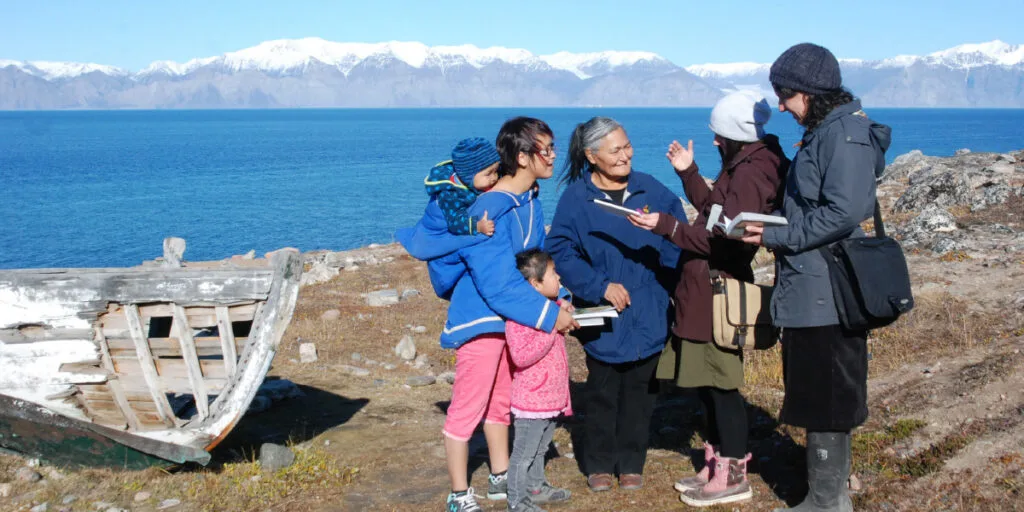
Jehovah’s Witnesses in Canada have made language learning a central part of their outreach to Aboriginal people. According to the group, more than 60 Aboriginal languages are spoken in Canada, and about 213 Canadians report that one of them is their mother tongue.
The Witnesses state that many members learned an Aboriginal language in order to reach people more directly. As of the end of 2015, more than 250 people had completed an Aboriginal language course organized by Jehovah’s Witnesses. The group also says it has translated Bible-based publications, including short videos, into eight Canadian Aboriginal languages: northern Ojibwe, Udwa, Inuktitut, Algonquin, Blackfoot, Mohawk, Keri West Swamppy, and Kerry Plains.
Learners described the work as very difficult. One member who began helping with the Blackfoot translation said she felt she was “working blindly” at first, because she was not familiar with the language and could not read it or recognize its sounds. Terence, who works with the translation team for one of the languages, said many words are long and hard to pronounce. Daniel, who serves on Manitoulin Island in Ontario, said reliable learning sources are limited and that the best way to learn one language is from an elder who can teach it.
The source includes accounts from members and others about the results. An Ojibwe-speaking woman said that when Witnesses visit homes and read scriptures in Ojibwe, people feel more comfortable discussing the Bible. Brett, a translator who grew up on the Blood Tribe reservation in Alberta, said he had seen Blackfoot speakers respond warmly to publications in their own language. A Kerry-speaking woman said a video in her language felt, to her, like her mother speaking to her.
The article also describes travel and relocation for the work. Terrance and his wife, Orlin, recalled being part of a convoy that traveled about 12 hours on frozen roads to preach on a reserve called Little Grand Rapids (Galatians 6:9). After a three-month evangelization effort on Manitoulin Island, Daniel and his wife, Liane, decided to move there so they could spend more time building trust with residents.
Members gave personal reasons for their involvement. Rose, the wife of Burt, said she is of Indigenous origin and had seen benefit in applying Bible principles, which motivates her to help others. Orlin said she wanted speakers of one language to have the opportunity to receive guidance and said it was a privilege to help them draw closer to Jehovah. Mark, who works on the Blackfoot translation, said he made the effort because he loves the Aboriginal people around him.
The article notes that some of these languages are also spoken by Native people in the United States. It also states that Jehovah’s Witnesses spend considerable time preaching in remote areas to people interested in studying the Bible.
Source: Read the original report (translated from Hebrew)

Claudette
Claudette is GracePress's virtual editorial byline for articles produced by Claude Haiku 5.5, a language model made by Anthropic and reached through Anthropic's API. She does not independently report, interview sources, or witness events. Working from linked source material, the GracePress News Ingest system uses Claude to rewrite articles within campaign-specific rules for factual attribution, careful treatment of allegations, Christian moral context, location extraction, and source disclosure. Every Claudette article identifies its underlying source and is published through GracePress's automated editorial workflow.

