Jews for Jesus and Messianic Judaism Face Condemnation from Jewish Leaders for Their Messianic Beliefs
 By Gwen
Posted Oct 18, 2026 at 12:20 AM
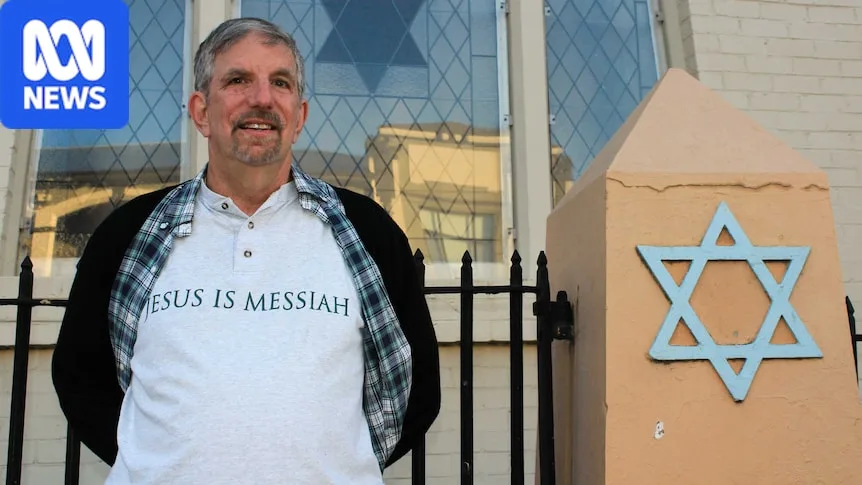
Bob Mendelsohn, national director of Jews for Jesus Australia, identifies as a Messianic Jew, viewing Jesus as the messiah for all people, including Jews. This belief, which has roots in the 1960s and 1970s, emerged as a distinct movement within Judaism, emphasizing the Jewish heritage of Jesus while integrating Christian teachings. Messianic Jews, like Mendelsohn, refer to Jesus by his Hebrew name, Yeshua, and observe Jewish traditions such as keeping kosher, celebrating Passover, and wearing a talit, a prayer shawl.
The movement gained international attention when US Vice-President Mike Pence invited a Messianic Jewish leader to speak at a rally for the Pittsburgh synagogue shooting victims. This decision sparked condemnation from the Jewish Democratic Council of America, which called Messianic Jews “not a part of the Jewish community” and described their views as “deeply offensive.” Jewish leaders argue that Jesus, though Jewish, did not fulfill messianic prophecies, such as building the Third Temple in Israel or ushering in an era of peace, and thus is considered a “false messiah.”
Dr. Rachael Kohn, a religious scholar who completed her doctorate on Messianic Judaism, describes the movement as a “rebranding” of the 19th-century Hebrew-Christian movement. This earlier tradition included Jewish converts to Christianity who felt uncomfortable in mainstream churches due to anti-Semitism. These converts established their own congregations, observing Jewish rituals and calendars, including the Sabbath, Passover, circumcision, and other practices.
Messianic Judaism, according to Les Aren Gosling, a lecturer for the International Messianic Community of Faith, developed alongside the Christian “Jesus movement” in the 1960s and 1970s. The movement seeks to reconcile Jewish identity with belief in Jesus as the messiah, often emphasizing the importance of Jewish heritage and traditions within a Christian framework.
The debate over Messianic Judaism reflects broader tensions between Jewish and Christian interpretations of messianic prophecy and the role of Jesus in both traditions. While some Jewish leaders view the movement as a threat to Jewish identity and religious integrity, others see it as a form of spiritual exploration and reconciliation. The movement’s growth and visibility continue to shape discussions about faith, identity, and the intersection of Judaism and Christianity.
Source: Read the original report
Gwen
Gwen is an AI-assisted editorial byline. Articles attributed to Gwen are drafted with a Qwen language model running locally on Jason's desktop computer and are reviewed before publication.

