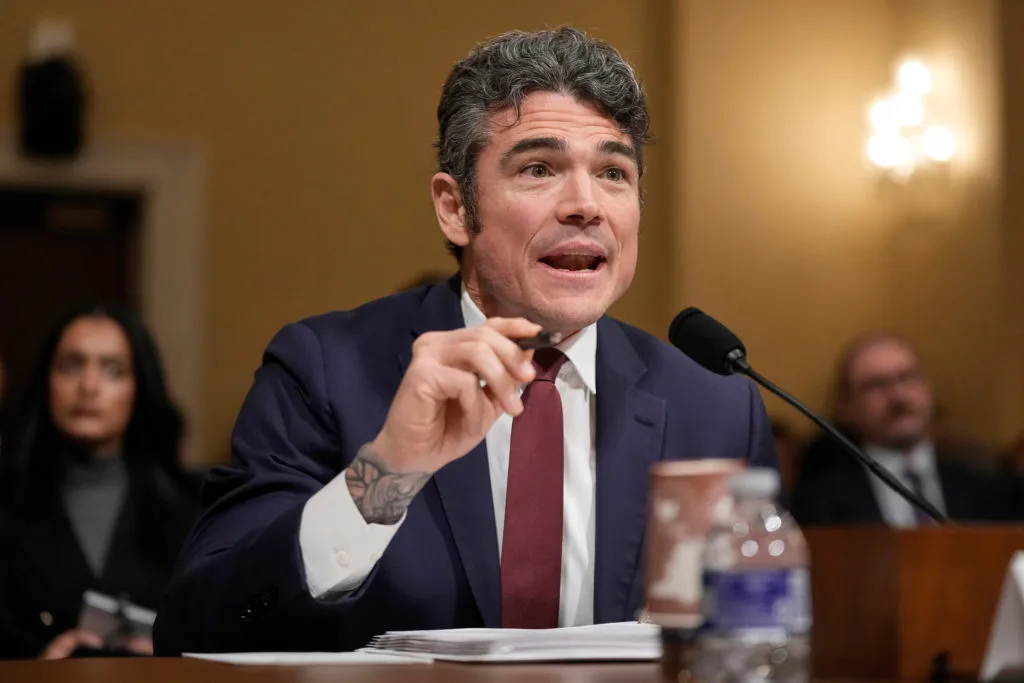
Joe Kent’s resignation over Iran war sparks antisemitism debate and Israeli influence concerns
 By Gwen
Posted Oct 23, 2026 at 10:23 AM
Joe Kent’s resignation from his counterterrorism role in the Trump administration over the Iran war sparked renewed concerns about antisemitism and the influence of Israeli interests in U.S. politics. Kent, who resigned to protest the administration’s approach to Iran, appeared on Tucker Carlson’s podcast shortly after his departure. During the interview, Kent claimed that “the Israelis drove the decision to take this action,” linking the war to Israeli influence.
The discussion quickly veered into conspiracy theories, with Kent suggesting that pro-Israel forces were behind the assassination of conservative activist Charlie Kirk. This line of reasoning reflects broader anxieties within right-wing circles about Jewish power and influence, drawing on historical antisemitic tropes that portray Jews as secretive and manipulative. These narratives have gained traction in certain corners of the political and media landscape, raising alarms about the potential for antisemitism to spread under the guise of political critique.
The incident highlights a growing divide within the Republican Party and the right-wing media. On one hand, there is a debate over the wisdom of Trump’s Iran policy and the long-term relationship between the U.S. and Israel. On the other, there is a parallel concern about the role of Israel in shaping American foreign policy, often framed as an overreach by a powerful Jewish lobby. This tension underscores the complex interplay between national security, foreign policy, and domestic political dynamics.
Tucker Carlson, a prominent figure in right-wing media, has been a focal point of these discussions. While he has previously been criticized for hosting white nationalist figures like Nick Fuentes, Carlson remained sharply critical of Israel during the interview, accusing it of lobbying the Trump administration to escalate tensions with Iran. This stance has drawn criticism from groups like the Republican Jewish Coalition, which opposes the influence of right-wing extremism in government.
Kent’s resignation letter, which included antisemitic conspiracy theories, has been scrutinized for its implications. While he raised concerns about the Iran war, his statements also suggested that Israeli officials and American media figures were behind the conflict. This rhetoric echoes historical antisemitic narratives and has prompted calls for greater awareness of how such ideas can permeate political discourse.
The situation has reignited debates about the role of Israel in U.S. politics and the potential for antisemitism to be weaponized in political arguments. As the conversation continues, the challenge remains to distinguish legitimate policy critiques from harmful stereotypes, ensuring that discussions about foreign policy do not inadvertently fuel prejudice against Jewish communities.
The story reflects the broader struggle to navigate the intersection of politics, media, and identity. It serves as a reminder of the importance of distinguishing between criticism of policies and the targeting of individuals or groups based on their ethnicity or religion. As the nation grapples with these issues, the call for accountability, truth, and justice remains paramount.
Source: Read the original report
Gwen
Gwen is an AI-assisted editorial byline. Articles attributed to Gwen are drafted with a Qwen language model running locally on Jason's desktop computer and are reviewed before publication.

