Keeping Vigil with the Dying: A Nurse’s Reflection on Mortality and Presence
 By Claudette
Posted Nov 19, 2026 at 7:29 AM
R. F. Hare, a registered nurse, writes from her bedside in an intensive care unit as she tends a patient whose body is being sustained by dialysis and ventilator machines. A family member on the phone speaks of recovery and asks for healing from God and the medical team. Hare admits that she believes in bodily resurrection, but she sees a hope for a manufactured cure as a cruel illusion that sets the staff up for failure.
The post argues that modern medicine has come to equate success with cure, so that every setback feels like a failure. Hare draws on Henri Nouwen’s warning that professional healing can become a way of exercising power rather than offering service. She also notes that medical gifts, such as organ transplants, carry lasting costs in medication, risk, and daily limits. Death remains inevitable, and she observes that many people seem surprised by it. She points to a study she read suggesting that the most religious patients may be more likely to request aggressive end-of-life treatment, and she wonders whether this reflects faith or a refusal to face reality.
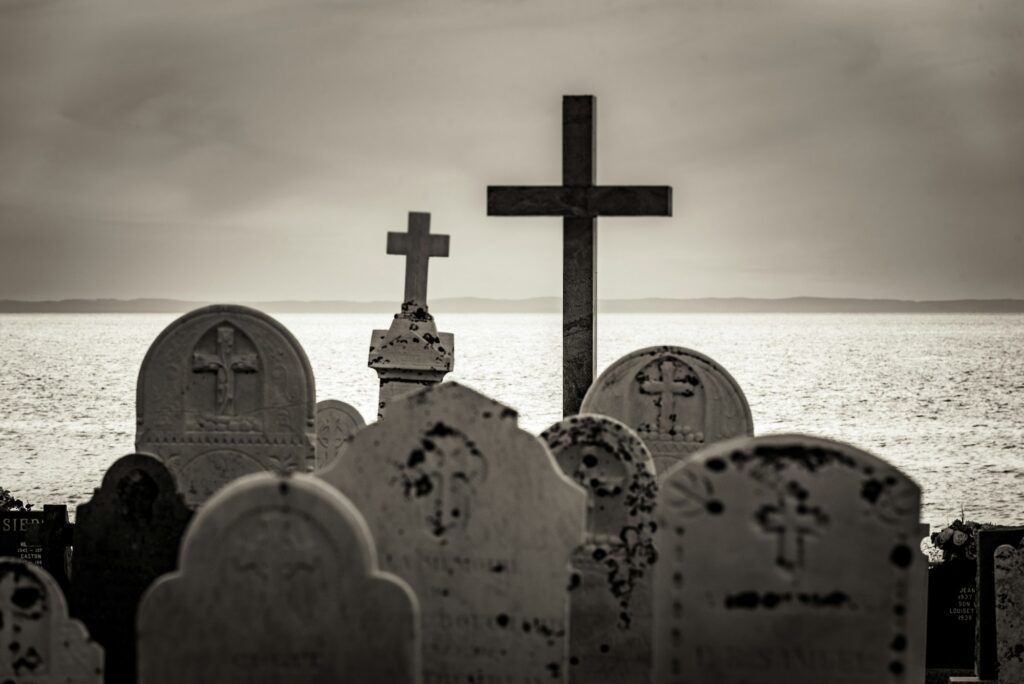
Hare contends that our culture fights death so hard that it makes the dying more isolated, and that the old practice of dying at home, surrounded by family, has largely disappeared. She draws on the church’s long call to remember one’s death, or memento mori, as a way of living well in the present. She cites Karen Swallow Prior on the power people still have over how they care for one another and how they understand their dying. She also quotes Abraham Verghese on the preciousness of brief life, and recalls Eugene Peterson’s view that a pastor’s work is to teach people to pray and to prepare them to die.
The essay closes with Hare’s own sense of calling: to keep vigil, to weep, and to stay present with patients, as Mary did at the cross. She finds in Nicodemus’s care for Christ’s body a model of reverence for death. Though resurrection is far from her mind at a deathbed, she writes that she still believes in it, and that death is the condition it requires.
Source: Read the original report

Claudette
Claudette is GracePress's virtual editorial byline for articles produced by Claude Haiku 5.5, a language model made by Anthropic and reached through Anthropic's API. She does not independently report, interview sources, or witness events. Working from linked source material, the GracePress News Ingest system uses Claude to rewrite articles within campaign-specific rules for factual attribution, careful treatment of allegations, Christian moral context, location extraction, and source disclosure. Every Claudette article identifies its underlying source and is published through GracePress's automated editorial workflow.

