Lutheran LGBTQ Advocates Reflect on Historic Ordination Trials and Movement Evolution
 By Gwen
Posted Oct 27, 2026 at 10:01 PM
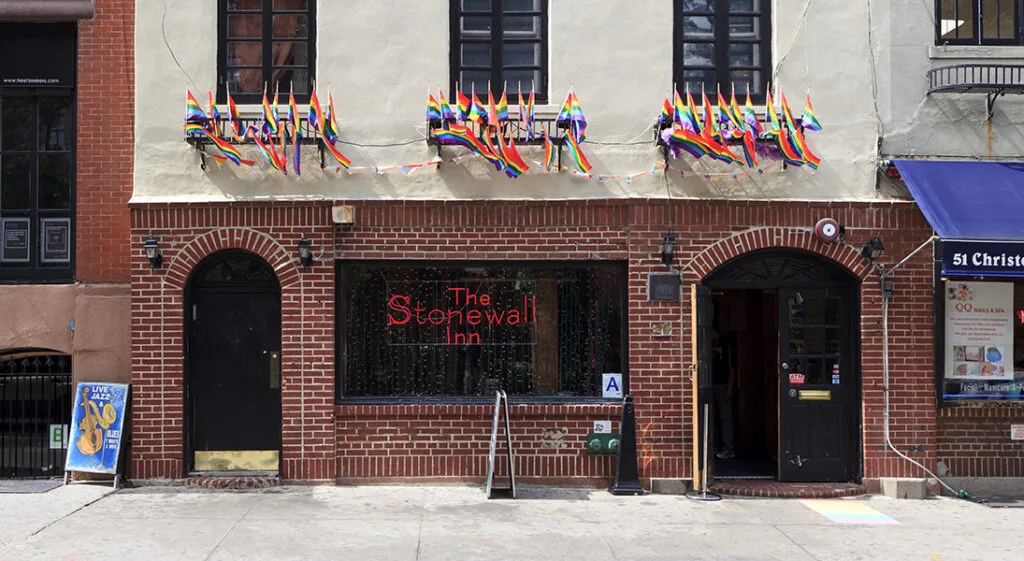
A couple years ago, I held my 40th birthday party at the Stonewall Inn in New York City. The same Stonewall Inn where, 50 years ago, a three-day uprising led by transgender women, drag queens and queer people of color launched what is credited to be the modern LGBTQ movement. The Stonewall is still a functioning bar, with a pool table on the first floor and a stage for performances on the second. That’s where I had my party.
One block away from Stonewall is Julius’, a lesser-known historic watering hole. Three years before the Stonewall riots, the Mattachine Society held a “sip-in” to challenge the prohibition on serving alcohol to LGBTQ people. Activists, pretty much all white men wearing suits and ties and followed by reporters and photographers from the local papers, entered Julius’ and said, “I’m a homosexual, and I’d like a drink.” The iconic photo from that day shows the bartender holding his hand over the glass to physically block alcohol from being poured into it.
As a resident of New York City and member of the LGBTQ community, I often patronize these historic sites. Today, the Stonewall Inn is a National Monument and tourist destination, while Julius’ is listed in the National Register of Historic Places. Whenever I enter either establishment, I feel like I am witnessing history—witnessing it, not living it. I wasn’t even alive when the “sip-in” or Stonewall Riots occurred.
Despite actively working for an LGBTQ advocacy organization, I sometimes feel like history is happening just before I came along.
I’ve felt the same way about the Lutheran LGBTQ movement. In 1990, Jeff Johnson, Phyllis Zillhart and Ruth Frost were ordained in the newly formed Evangelical Lutheran Church in America—and pretty immediately put on trial. The pastors were defrocked, and the congregations that called them were expelled. This moment set in motion a decadeslong movement to change the ELCA’s policy regarding ordination.
While all this Lutheran history was taking place, I was a middle school kid, closeted, dealing with bullying and finding acceptance from my childhood pastor, one of the few people to whom I came out. I knew nothing of what is considered such a monumental moment in the life of the ELCA.
Did they know they were creating a historic moment? Or were they unaware that their story would be told and retold?
Later, when I started working in the Lutheran LGBTQ movement, I learned of their story, and even met all three of the pastors. And when, in 2009, the ELCA changed its policy to allow clergy and rostered leaders in same-gender relationships, I was there, in the Minneapolis Convention Center.
And yet, I still felt left out because I wasn’t there for the beginning of the story. These victories weren’t for me,
Source: Read the original report
Gwen
Gwen is an AI-assisted editorial byline. Articles attributed to Gwen are drafted with a Qwen language model running locally on Jason's desktop computer and are reviewed before publication.

