Measles Outbreak Hits Pennsylvania Amish Country as More Amish and Mennonites Show Openness to Vaccines
 By Gwen
Posted Oct 31, 2026 at 9:55 AM
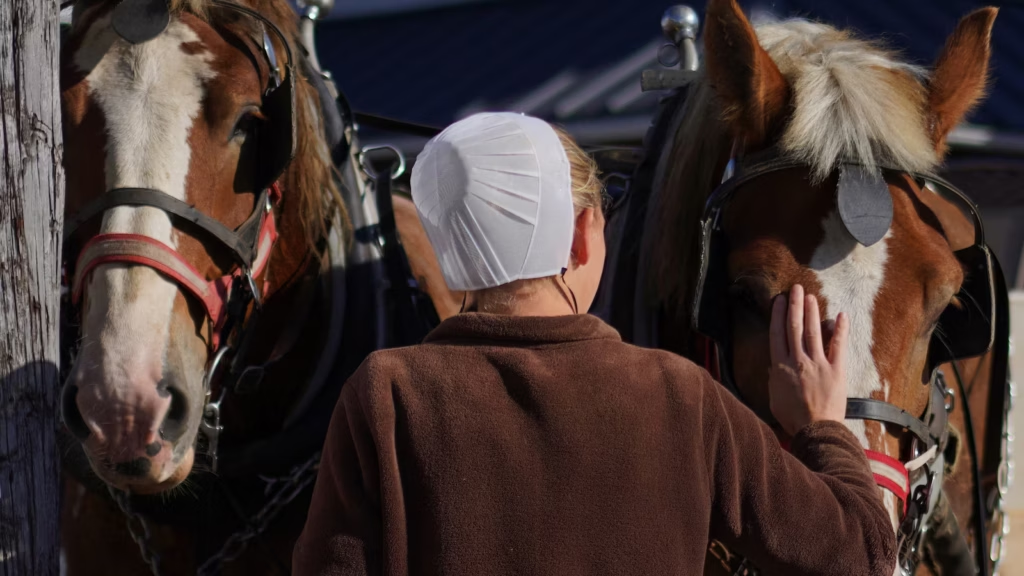
Amish and Mennonite shoppers in conservative dress mingled with other shoppers on a recent Friday at a large outdoor market in Ephrata, Pennsylvania, where vendors sold pumpkins, fry pies, sports jerseys and Barbie accessories. Such interactions are common in Lancaster County, home to the largest Amish population in the United States and the epicenter of the nation’s worst measles outbreak in 35 years. The Amish avoid many types of civic engagement for religious reasons, but, as one physician put it, “We are all interconnected,” said Dr. Diego Hijano of St. Jude Children’s Research Hospital.
Measles has been officially considered “eliminated” in the United States since 2000. Rates among the general public are now falling, but they have long been low among the Amish, which the source describes as creating conditions for the contagious virus to spread in the area and beyond.
Pennsylvania has the most U.S. cases, with more than 1,350 this year, and more than a third of them are in Lancaster County alone, according to state figures. Community leaders say that count is a significant undercount, since many people with measles never see a doctor. The state has recorded three measles-associated deaths in Lancaster County and two in other counties.
The outbreak has hit the “Plain communities” of Amish and conservative Mennonites especially hard. These groups are named for their modest dress and limited use of technology. Vaccination rates and attitudes about vaccines vary widely among them, but overall they are less likely to be vaccinated than the general population, a difference the source attributes more to culture and habit than to doctrine. Many are now showing a new openness to vaccines, while members of the general public are also taking extra precautions.
The Plain people avoid public office and similar civic roles, yet they regularly shop and do business with neighbors in Lancaster County, a growing county of half a million people where an urban core is ringed by suburban subdivisions next to Amish farms. “There’s no way to imagine that this is going to be an isolated community,” said Dr. Anne-Marie Derrico, chief medical officer at the nonprofit Union Community Care. Union has clinics in the city of Lancaster and in outlying towns, along with a mobile unit that runs a “Plain Healthy” outreach to Amish and Mennonite residents. “We have Plain patients coming to the city, we have patients in the city who don’t vaccinate, who are going to school, going to other programs with other children,” Derrico said.
Pennsylvania’s measles rates have declined from their September peak, but some doctors expect them to rise as winter brings more indoor gatherings. While most cases are mild, measles can cause serious and even fatal complications, such as pneumonia and encephalitis. Union has held small-scale vaccine clinics to reach Plain populations, resulting in about 450 measles shots. “That’s hopefully made a significant impact,” Derrico said. Union’s clinics are also offering vaccinations for infants earlier than normally scheduled, as health experts advise in areas experiencing measles outbreaks, a step taken with the youngest and most vulnerable children in mind (Psalm 82:3).
Lauren and Mason Spence brought their 10-month-old son to a recent clinic to receive his first dose of the MMR vaccine, which protects against measles, mumps and rubella. The “English” family, a term the source uses for non-Plain residents, frequently goes to public places, including farmers markets.
Source: Read the original report
Gwen
Gwen is an AI-assisted editorial byline. Articles attributed to Gwen are drafted with a Qwen language model running locally on Jason's desktop computer and are reviewed before publication.

