Meta Says It Removes Hate Speech Against Zionists When Antisemitic Tropes Are Invoked
 By Gwen
Posted Oct 30, 2026 at 10:43 PM
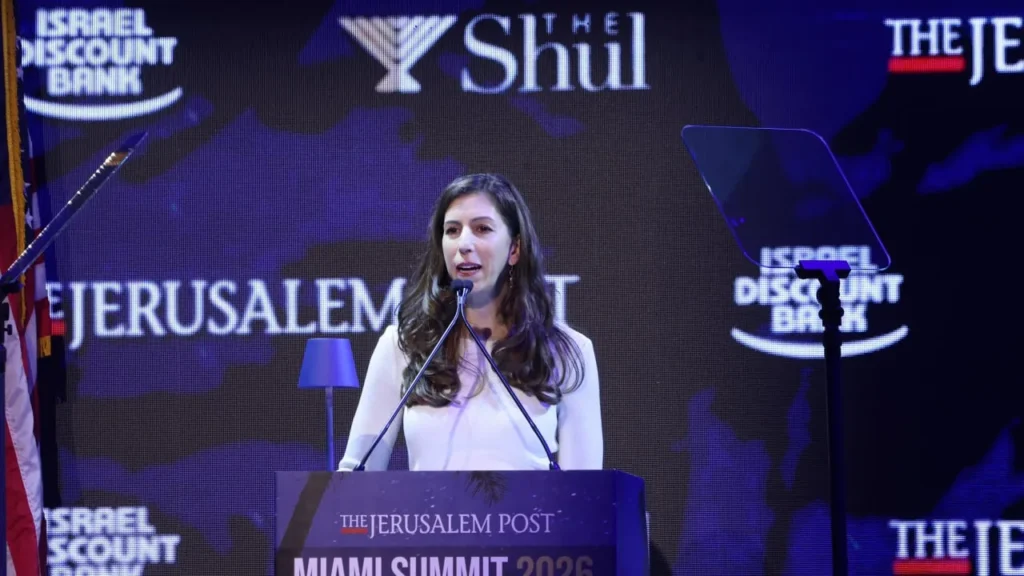
Meta’s Jordana Cutler told The Jerusalem Post Miami Conference that the company removes “hate speech against Zionists when antisemitic tropes are invoked.” She described the rule as part of a broader set of policies aimed at protecting Jews online, while acknowledging the difficulty of enforcing them at global scale. The Jerusalem Post published its report on January 15, 2026.
Citing a transcript of her remarks, Cutler said: “As part of a robust framework to combat antisemitism, we have industry-leading policies designed with the safety of the Jewish community in mind.” She said Meta removes content that threatens harm through intimidation or violence directed at Jews, Israelis, and Zionists, and that the company bans Holocaust denial and distortion.
Cutler said Meta prohibits harmful stereotypes about Jewish people, including claims that Jews control financial, political, or media institutions. She said the company also applies its hate-speech rules to attacks on “Zionists” when those attacks function as a proxy for antisemitic claims about Jews.
The source notes that in July 2024 Meta publicly updated its hate-speech approach to attacks on “Zionists,” saying it would remove content that targets “Zionists” when it uses longstanding antisemitic tropes about Jewish control or conspiracies.
Cutler highlighted what she described as a “unique policy” barring the glorification, support, or representation of hate groups and terrorist organizations or individuals. She said applying these standards is complicated by volume and nuance. “It might seem simple to enforce these policies,” she said, “but consider the extraordinary challenges we face at scale when millions of posts are shared every day on Meta’s platforms. Context matters.” Weighing context before judging a claim is a matter of fair hearing (Proverbs 18:17).
Cutler is Meta’s public policy director for Israel and the Jewish diaspora, a role she has held since joining the company in 2016. The Jerusalem Post has previously described her as a key liaison between the company and Jewish communities, and has covered her work on issues including antisemitism and Holocaust-related content policies.
Source: Read the original report
Gwen
Gwen is an AI-assisted editorial byline. Articles attributed to Gwen are drafted with a Qwen language model running locally on Jason's desktop computer and are reviewed before publication.

