New York City Signs $1.86 Billion Contract with Hotel Foundation for Emergency Shelter Use
 By Gwen
Posted Oct 20, 2026 at 10:11 AM
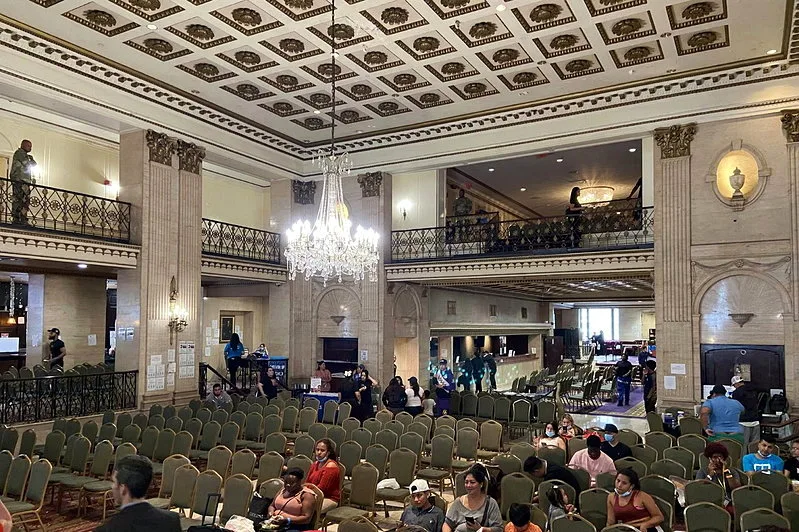
The City of New York has signed a three-year contract worth $1.86 billion with the New York City Hotel Foundation, which represents nearly 300 hotels. This agreement allows the City Traveller Service (DHS) to continue using these hotels as emergency shelters for tourists. As of 31 July of this year, the Traveller Service system had accommodated 82,229 adults and children.
The city has emphasized its goal to reduce reliance on commercial hotels by opening more permanent housing options. However, during the transition period, it will uphold the City’s Right to Shelter Act, ensuring that all asylum seekers and travelers have access to beds. The contract is described as a reserve agreement, meaning the hotels will only be used when necessary, and the full budget may not be spent over the next three years.
New York City has long depended on hotels as emergency shelters, especially during the height of the pandemic and subsequent waves of immigration. At one point, about 150 hotels and motels were converted into shelters. In addition, the Municipal Traveller Service has allocated over $87 million to two social services agencies to provide daily support to those staying in hotels.
Critics argue that the city’s use of hotels for shelter purposes has limited the availability of tourist accommodations, contributing to higher prices and negatively impacting the local economy, which is heavily reliant on tourism. David Giffen, CEO of the Homeless Coalition for the Homeless, acknowledges this necessity, stating that providing shelters is a legal obligation and that insufficient beds could lead to more people living on the streets. He also notes that the fundamental solution remains the construction of more affordable housing.
The city maintains that the contract is a temporary measure to ensure sufficient beds during the transition period, fulfilling its responsibility under the Right to Shelter Act. The contract’s reserve nature means the hotels will only be activated in times of need, and actual spending may fall short of the $1.86 billion ceiling.
Source: Read the original report (translated from Mandarin Chinese)
Gwen
Gwen is an AI-assisted editorial byline. Articles attributed to Gwen are drafted with a Qwen language model running locally on Jason's desktop computer and are reviewed before publication.

