Pavlodar Mennonites Face Language Extinction as Community Struggles to Preserve Heritage
 By Gwen
Posted Oct 28, 2026 at 4:42 PM
The Mennonite community in the Pavlodar region of Kazakhstan traces its origins to the late 19th century, with the first settlements emerging in the late 1880s under the Turkestan General Governor-General’s Office. By 1900, the region had become a significant center for Mennonite settlement, with pioneers like Peter Cornis among the earliest arrivals. These settlers, originally from Germany, brought with them a distinct cultural and linguistic heritage, including the Mennonite dialect of German, known as “Mennonitenplatt.” The language, spoken by the community, is now considered endangered, with fewer speakers passing it on to younger generations.
Julia Podopira, a historian, notes that the Mennonites were known for their entrepreneurial spirit, contributing significantly to the region’s development through the establishment of over 12 mills in Pavlodar County. However, the collectivization policies of the Soviet era disrupted the community’s structure, leading to a decline in both language and cultural preservation. This historical shift has had lasting effects on the community’s identity and continuity.
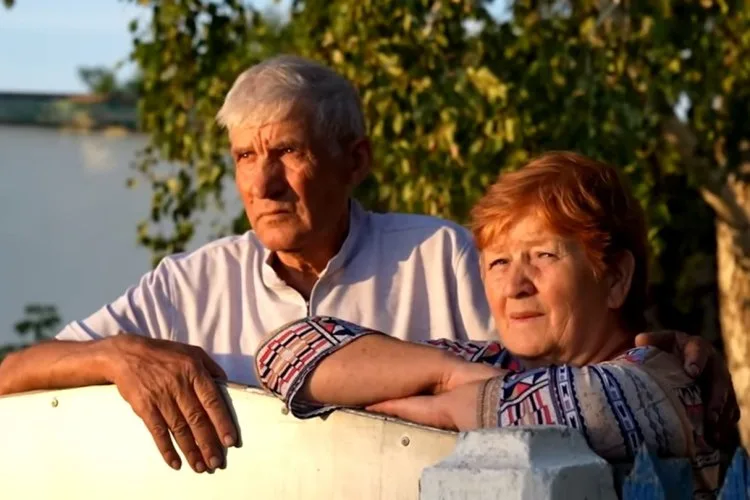
The village of Olgino, located in the Uspen district, was originally founded by Mennonites and named Steinfeld until 1914. Today, it remains a stronghold of the community, with some families still maintaining strong ties to their heritage. Nikolai and Renada Gerdzena, a couple from the village, have remained in Kazakhstan despite the migration of many Kazakh Germans to Germany. Renada Gerdzena recalls her grandmother’s words in German, urging her children to stay on the land, which she describes as “God protected land.”
Mennonites are a branch of Protestantism, characterized by their emphasis on community, simplicity, and service. Despite the challenges of preserving their language and traditions, the community continues to thrive in Olgino, maintaining its cultural identity through generations. The village’s history reflects the resilience of a people who have adapted to new environments while holding fast to their roots.
In September 2023, the regional Maslikhata voted to rename Olgino as Kyzylagash, a decision that came into effect following a presidential decree signed on the eve of Republic Day. The renaming has sparked discussions about the community’s place in the broader narrative of Kazakhstan’s diverse ethnic landscape. The Irtysh Riverside, a location that brings together participants from across the country, has also featured events highlighting the region’s cultural and sporting contributions.
Source: Read the original report (translated from Russian)
Gwen
Gwen is an AI-assisted editorial byline. Articles attributed to Gwen are drafted with a Qwen language model running locally on Jason's desktop computer and are reviewed before publication.

