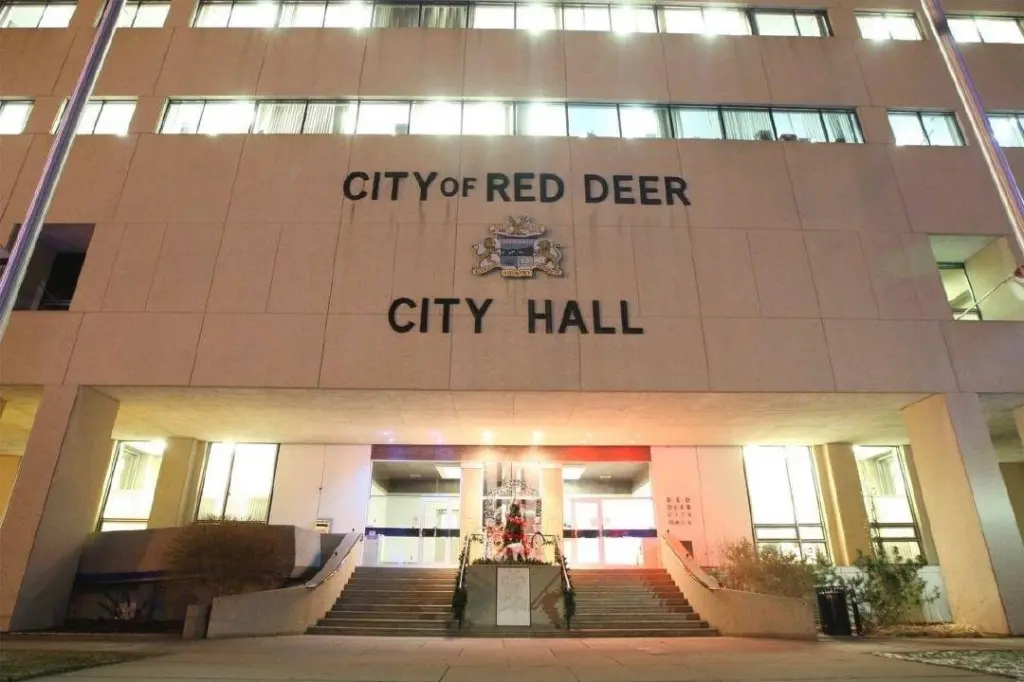
Red Deer, Canada, City Council to Discuss Increasing Homeless Shelter Capacity Through Winter
 By Gwen
Posted Oct 24, 2026 at 10:36 AM
Red Deer city council is set to consider a development permit that would temporarily increase the overnight capacity at the Hope Mission homeless shelter during the winter months. The proposed permit would allow for an additional 75 overnight beds, bringing the total capacity to 275 from November 1 to March 31, 2027. After this period, the shelter would return to its previously approved capacity of 200 beds.
The report submitted to council outlines the plan to manage the increased occupancy. It includes a core onsite team of nine staff members, a Rapid Response Team with paramedics or EMTs on every shift, on-site nursing with a post-overdose clinic, and universal naloxone training. Intake will be managed at the south entrance, with returning guests screened for service restrictions and an indoor lobby queue to limit congregation outside.
The proposed permit also includes several infrastructure improvements. These include lighting and wiring repairs, as well as a re-assessment of camera coverage to eliminate blind spots. Additionally, a Community Outreach Team will operate 12 hours daily, and a 24/7 Rescue Van will be available for crisis diversion.
Development permit conditions were added to align with the previously approved permit. The report states that there are no direct financial or budget implications as a result of the recommendations.
If council does not approve or defers the recommendation, the shelter will continue to operate at its approved capacity of 200 overnight beds, and the additional winter overflow capacity will not be available at this site. A deferral past November 1 would delay the start of the additional beds.
The proposed changes aim to address the heightened need for shelter space during the winter season. By increasing capacity, the shelter can better serve the community’s most vulnerable neighbors. This effort reflects a commitment to care for those in need and to provide a safe environment during the coldest months.
Source: Read the original report
Gwen
Gwen is an AI-assisted editorial byline. Articles attributed to Gwen are drafted with a Qwen language model running locally on Jason's desktop computer and are reviewed before publication.

