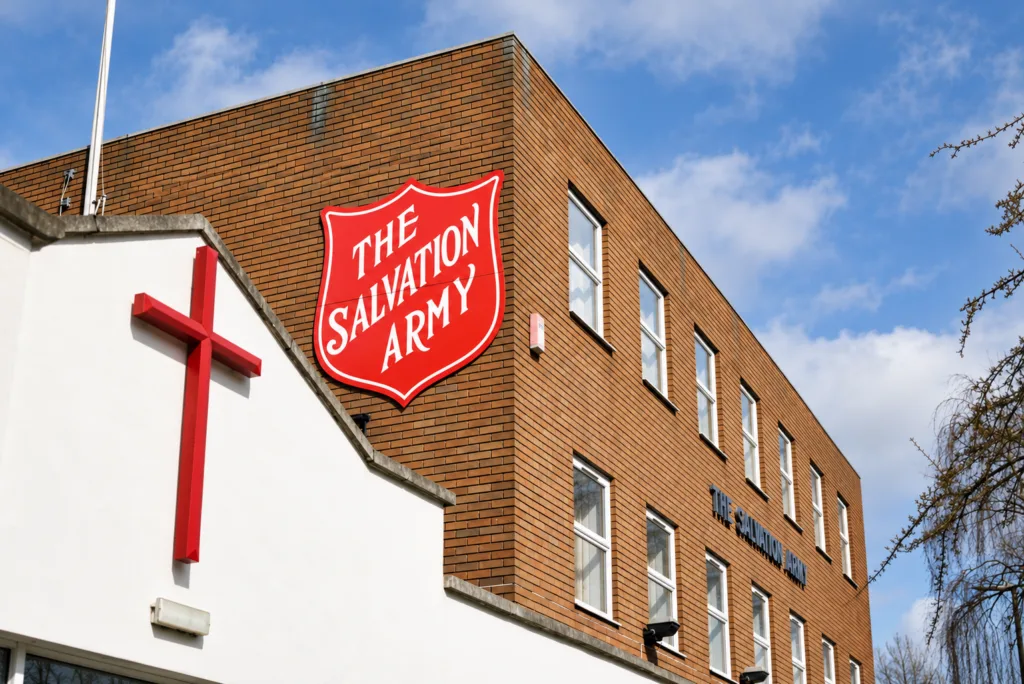
Salvation Army Deploys 10ZiG Thin Clients at 750 UK Locations
 By Gwen
Posted Oct 30, 2026 at 7:13 PM
The Salvation Army has deployed 10ZiG modernised thin client devices across 750 locations in the UK as part of a digital transformation programme, working with the vendor’s channel partners. The organisation describes itself as one of the largest providers of social care in the UK and Ireland, with more than 600 churches and community centres and a network of life houses that support people facing homelessness, addiction and other forms of vulnerability.
After the end of the COVID-19 pandemic, the organisation moved to a hybrid work model. It then began building a Microsoft Azure Virtual Desktop (AVD) environment to support computing at its remote divisional, church and life house sites, in line with its wider move from on-premises infrastructure to the cloud. As AVD became established, all remote endpoints were transitioned onto it, and the existing Citrix platform is to be retired after the current licence period ends. Neil Edmonds, head of IT Infrastructure at The Salvation Army, said the move had “made a real difference,” with faster logon times, simpler profile management and a better digital experience for users.
The organisation also needed to replace ageing Dell Wyse thin client terminals, and it undertook a thorough evaluation of different vendors before choosing 10ZiG. Edmonds said the company’s personal engagement was a deciding factor, including visits to meet the team, a supported proof of concept, and direct work to resolve early connectivity challenges on site. The Salvation Army has since standardised on 10ZiG, procuring around 1,500 devices from reseller partner Phoenix Software, including 4672q and 7072q endpoints. Some existing Dell Wyse terminals were converted using 10ZiG’s RepurpOS software.
The rollout was divided to suit the different scale and location of the organisation’s sites. Specialist partner BNR carried out a large site rollout on-site at around 100 premises, including life houses and divisional headquarters, removing the previous terminals and installing the new devices. For the smaller sites, around 600 Salvation Army churches and community centres in towns across the UK, the organisation developed a postal rollout model. Each site received a pre-configured 10ZiG device, ready to connect to the network, along with instructions and a return bag for the outgoing terminal. Edmonds said the arrangement was “a zero-touch deployment,” with no reimaging and no technician needed on site. Faulty units can be replaced by post, and because the devices hold no local data, the organisation says this also reduces security risk from lost or stolen equipment (Hebrews 13:16). The estate is managed centrally through 10ZiG Manager, which the infrastructure team uses to update firmware, push configuration changes and maintain consistency.
The move to 10ZiG and AVD is part of a broader modernisation of the organisation’s technology estate. In parallel, it has been migrating data centre workloads from VMware to Microsoft Hyper-V and moving away from a colocation facility in Surrey toward a hybrid model that combines on-premises infrastructure with Microsoft Azure. According to The Salvation Army, the changes together represent a significant, multi-year digital transformation intended to make the estate simpler to manage, more secure and more resilient, and to give staff a faster and more consistent desktop experience.
Edmonds said desktop issues had previously taken up more of the team’s time than they should have. “That’s no longer the case,” he said. “For me, the biggest source of pride is simply having technology that works, not having to keep chasing account managers or escalating issues, and knowing our infrastructure is solid, reliable and meets the needs of the organisation.”
Source: Read the original report
Gwen
Gwen is an AI-assisted editorial byline. Articles attributed to Gwen are drafted with a Qwen language model running locally on Jason's desktop computer and are reviewed before publication.

