Salvation Army Marks 20 Years Since Hurricane Katrina Struck New Orleans, Louisiana
 By Gwen
Posted Nov 5, 2026 at 12:38 AM
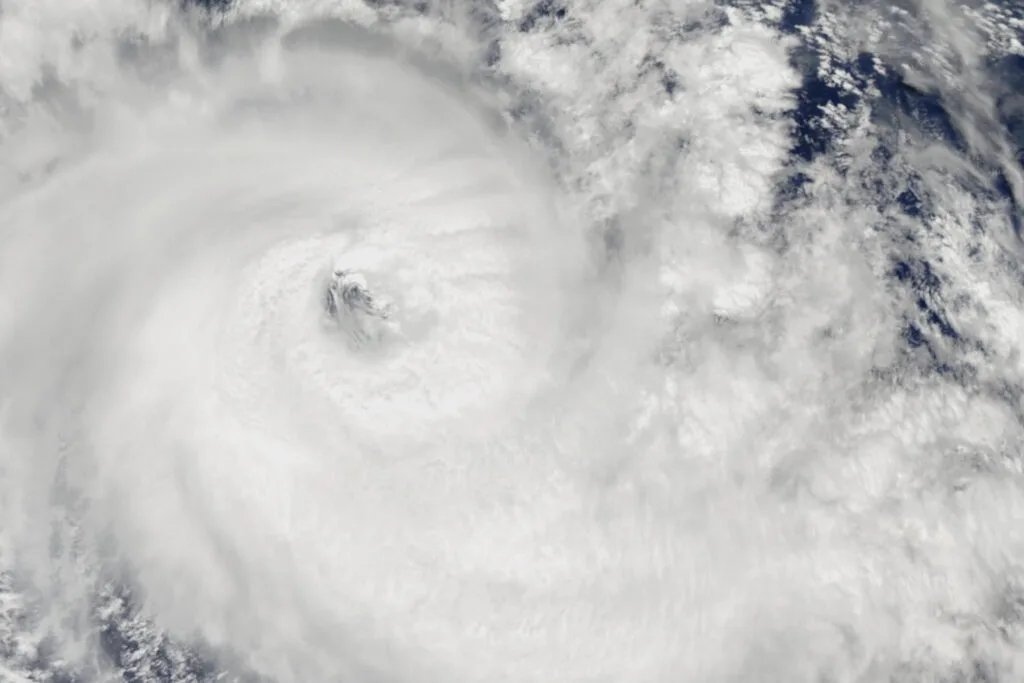
The Salvation Army marks 20 years since Hurricane Katrina, which made landfall on August 29, 2005, as a Category 3 storm. A release dated August 25, 2025, from the organization’s Alexandria, Virginia, office says the anniversary prompts it to reflect on the storm’s tragedy, the changes it prompted and its continuing commitment to survivors. The release describes the storm’s winds and storm surge as breaking dams and flooding approximately 80% of New Orleans. It states that the storm left about 1,800 dead and more than 200,000 million in damages in the United States, and it calls Katrina among the most costly and deadly natural disasters in the nation’s history.
The release says the Salvation Army’s response was its largest national aid effort to date. It reports more than 4.7 million hot meals and 6.8 million sandwiches, snacks and drinks, along with spiritual and emotional care for almost 103,000 people. Humanitarian operations included 178 mobile food units and 11 field kitchens. Volunteers from the organization’s SATERN radio network helped locate more than 25,000 survivors. The organization also housed thousands of volunteer disaster workers across the Gulf Coast, providing a total of 56,000 nights of lodging, and its main distribution centers delivered furniture and appliances to more than 106,000 people in need. The release states that the Salvation Army was one of the first groups to arrive and one of the last to leave.
The release also tells the story of Captain David Brittle, who had evacuated with his family while his parents, Richard and Fay Brittle, remained in New Orleans. At the Salvation Army Hope Center, the parents housed more than 300 people as floodwaters rose. David later returned to join rescue efforts, traveling through flooded streets and helping coordinate helicopter evacuations. After he was able to reach his father, he said the experience strengthened his call to serve in times of crisis. The release notes that Captain Brittle’s full story is available on the organization’s website. Hospitality at the Hope Center, where more than 300 people were sheltered, reflects welcoming strangers in need (Matthew 25:35).
The release also highlights Lieutenant Macy Gantner, who had 12 years of service at the time of the storm. She was evacuated from floods in St. Bernard Parish and moved to Minnesota, where she first encountered the Salvation Army and received food, coats and prayer. The release says that support inspired her to dedicate her life to helping people facing disasters. Lieutenant Gantner’s full story is also available online. According to the release, these accounts show the organization’s aim to meet survivors where they are and to stay with them long after news coverage ends.
The release says lessons from Katrina have shaped the organization’s current approach to disaster response. It states that the Salvation Army now deploys mobile food units, incorporates trauma-informed care, builds culturally responsive partnerships and commits to long-term recovery programs. Meghan Foley, Director of Disaster Emergency Services at the Salvation Army, said: “Recalling the anguish for Katrina, we also recognize the courage and compassion that brings out the light. Recovery carries us and, through the continuous service of the Salvation Army, we want survivors to know that we do not forget them.”
The release lists commemorative events across the country in which the Salvation Army takes part. These include a service and cleaning day in New Orleans, a service in honor of Major Richard Brittle, and participation in wider community meetings reflecting on the storm’s legacy. At the national level, the release reports that the U.S. Senate approved a resolution, S. Res. 344, recognizing both the devastation caused by Hurricane Katrina and the ongoing recovery efforts along the Gulf Coast.
Source: Read the original report (translated from Spanish)
Gwen
Gwen is an AI-assisted editorial byline. Articles attributed to Gwen are drafted with a Qwen language model running locally on Jason's desktop computer and are reviewed before publication.

