Sex Offender Presence in Church Congregation Sparks Legal and Ethical Concerns
 By Gwen
Posted Oct 16, 2026 at 9:59 PM
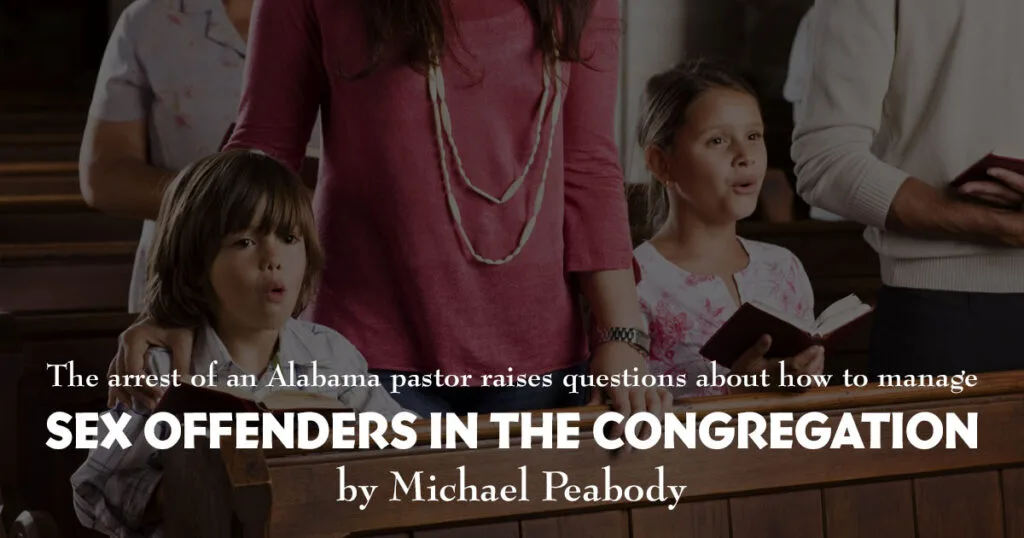
When an Alabama pastor was detained two weeks ago on three counts of witness intimidation, the details raised immediate concern among church leaders, churchgoers and legal observers. According to authorities, several members of the congregation had reported that a registered sex offender was working near minors and holding responsibilities at the church. Those who cooperated with law enforcement were allegedly removed from their roles and escorted from the property.
The pastor is presumed innocent. Yet even with facts still emerging, this case reflects a recurring and dangerous pattern: a pastor under pressure, isolated, unsure of what to do, and making decisions that may have violated ethical standards or legal obligations.
When ministers find themselves in this kind of position—caught between confidentiality and reporting requirements, institutional loyalty and moral duty—the stakes are enormous. The temptation to stay silent, act alone, or try to “handle it quietly” can feel like the safest choice. But it often leads to deeper harm, legal exposure, and shattered trust.
Clear written policies would shift these difficult decisions away from moments of crisis and into calmer planning sessions. By settling issues in advance, church boards take on the weight of governance, leaving the pastor free to minister rather than to negotiate under pressure. This approach moves the hardest conversations to the front end, where emotions are lower and the focus can remain on protecting both the congregation and its leaders.
Political endorsements provide one example. Federal tax law prohibits churches from endorsing candidates. A written policy that forbids political endorsements from the pulpit protects pastors from pressure while ensuring compliance. When a congregant asks for an endorsement, a pastor can simply point to the existing policy instead of appearing to make a personal decision.
Sex offender attendance policies provide another layer of protection. By establishing clear boundaries—such as supervised attendance or restricted access to children’s areas—churches can both extend pastoral care and ensure safety. A pastor confronted in the moment with a sex offender’s request to attend worship does not need to invent a plan; the policy speaks first.
Volunteer screening procedures work in the same way. When churches codify background checks, reference requirements, and training, a pastor is not left to weigh whether a well-liked member is “safe enough” to serve with children. The rule is already established, easing the burden of personal judgment.
By framing decisions as institutional and rule-based, churches reduce the risk of fractured trust, protect vulnerable individuals, and uphold the integrity of their mission. As Proverbs 18:17 reminds us, “The first to present his case seems right, until another comes forward and questions him.” Preparing for such moments with clarity and care ensures that justice and mercy can coexist in the pursuit of God’s will.
Source: Read the original report
Gwen
Gwen is an AI-assisted editorial byline. Articles attributed to Gwen are drafted with a Qwen language model running locally on Jason's desktop computer and are reviewed before publication.

