Supreme Court rejects final appeal in LDS tithing fraud case, closing legal path for plaintiffs
 By Gwen
Posted Oct 11, 2026 at 8:45 PM
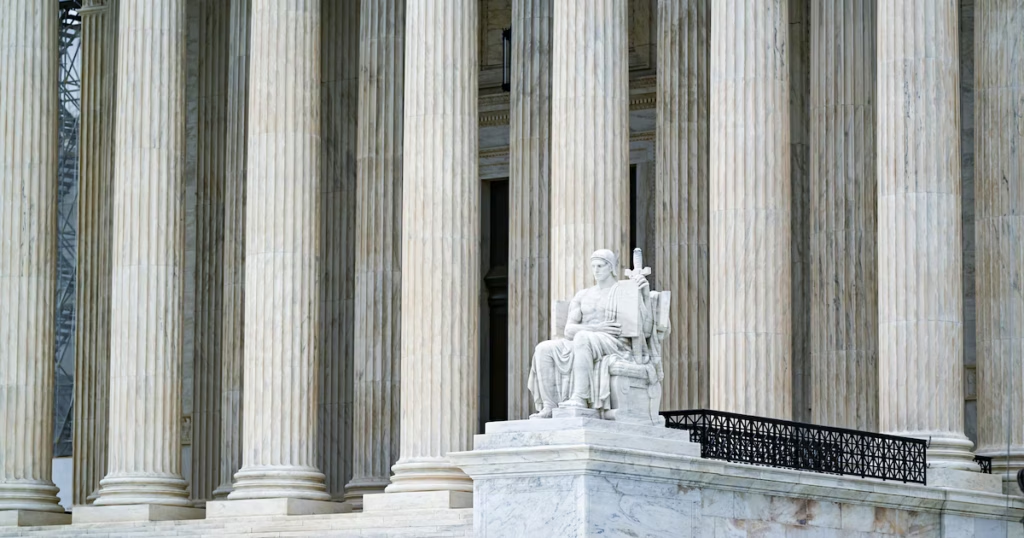
The U.S. Supreme Court has declined to review a significant tithing fraud case against The Church of Jesus Christ of Latter-day Saints, effectively closing a final legal path for the plaintiffs. The case, which originated in 2019, was brought by three former members who claimed they were misled by church leaders into participating as tithe-paying members. The high court’s refusal to hear the case marks another setback for those who have sought to challenge the church’s financial practices through legal means.
The case, known as Gaddy, involved allegations that church leaders misrepresented the nature of tithing and the use of members’ contributions. Church attorneys argued that allowing the case to proceed would infringe on the First Amendment rights of religious organizations, citing the “church autonomy doctrine.” This doctrine, which protects religious institutions from certain legal scrutiny, has been a central point of contention in several lawsuits against the church over the years.
Plaintiffs’ attorney Kay Burningham noted that while the Gaddy case involved criminal fraud allegations, the broader legal question of whether the church autonomy doctrine can protect religious organizations from liability for criminal conduct remains unresolved. She suggested that this issue will likely be tested in future legal challenges, indicating that the door for further litigation may not be entirely closed.
Another notable case, brought by Utah businessman James Huntsman in 2021, was dismissed by the 9th U.S. Circuit Court of Appeals in January 2025. The court found that no reasonable juror could conclude the church committed fraud in its $1.4 billion investment in the City Creek Center mall. This ruling further underscores the challenges plaintiffs face in proving fraud allegations against the church.
A third case, a potential class-action lawsuit filed in 2024 by nine current and former Latter-day Saints across six states, was dismissed by a U.S. District Court. The dismissal highlights the ongoing legal hurdles in addressing claims related to the church’s tithing practices. These cases, while not successful in court, continue to raise questions about the transparency and accountability of religious institutions.
The legal battles surrounding tithing have been fueled in part by whistleblower revelations in late 2019, which exposed the church’s financial wealth and raised concerns about the use of members’ funds. These revelations have contributed to a broader public interest in scrutinizing the financial practices of religious organizations, particularly those with significant resources and influence.
The outcomes of these cases reflect the complex interplay between religious freedom and legal accountability. While the courts have consistently rejected claims of fraud, the unresolved legal questions surrounding the church autonomy doctrine suggest that the issue remains a point of contention. As the church continues to operate under its own financial and doctrinal structures, the balance between religious freedom and public accountability remains a subject of ongoing legal and ethical debate.
Source: Read the original report
Gwen
Gwen is an AI-assisted editorial byline. Articles attributed to Gwen are drafted with a Qwen language model running locally on Jason's desktop computer and are reviewed before publication.

