Texas Supreme Court Asked to Revive Megachurch Sex Abuse Civil Case
 By Gwen
Posted Oct 13, 2026 at 3:10 PM
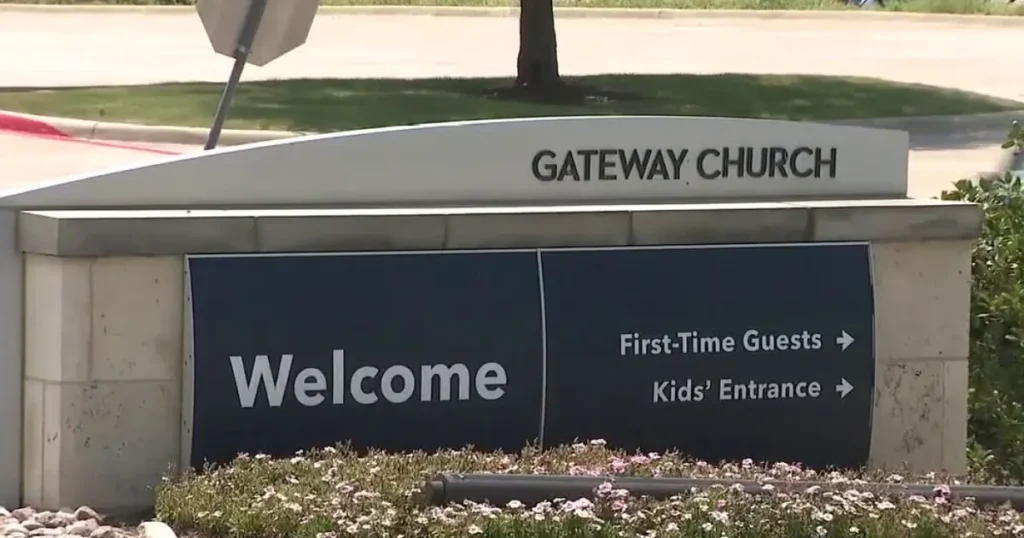
The Texas Supreme Court is being asked to revive a civil lawsuit against Gateway Church, a megachurch in the Dallas/Fort Worth area, over allegations of defamation. The case, which involves a former pastor and several church leaders, was previously dismissed by a lower appeals court. The woman who filed the lawsuit, Cindy Clemishire, is seeking a reversal of that decision, arguing that the court should reconsider the legal standard applied in the case.
The lawsuit centers on claims of defamation against Robert Morris, the former pastor of Gateway Church, and his wife, as well as other church leaders. Clemishire alleges that public statements made by church leaders and members subjected her to public ridicule, lies, and threats to her safety. She described the experience as devastating, noting that she felt threatened and concerned for her well-being after sharing her story.
The Fifth District Court of Appeals in Dallas dismissed the lawsuit in August, citing the “Ecclesiastical Abstention Doctrine.” This legal principle generally prevents civil courts from intervening in matters related to church governance, theological disputes, or internal disciplinary actions. The appeals court ruled that Clemishire’s case fell under this doctrine, as it involved issues of church discipline and internal affairs.
Cindy Clemishire’s attorney, Jeff Leach, is appealing the decision, emphasizing that Clemishire was never a member of Morris’ church. He argues that the doctrine should not apply in this case, as the lawsuit involves defamation and public statements rather than internal church matters. Leach contends that the courts should not avoid addressing cases that involve harm to individuals outside the church community.
The case has drawn attention due to the recent release of Robert Morris from prison. His photo, posted on the state’s sex offender registry, showed a black eye reportedly caused by a fall. An attorney for Morris stated that he had fallen and hit a door, though the incident has sparked public interest and discussion.
The Texas Supreme Court hearing, held in Austin, focused on the legal implications of the Ecclesiastical Abstention Doctrine in cases involving public figures and civil claims. The court’s decision could set a precedent for how religious institutions are treated in civil litigation, particularly when allegations involve public statements and defamation.
The case highlights the complex relationship between religious institutions and the legal system, raising questions about the extent to which courts should intervene in matters of church governance and internal affairs. It also underscores the importance of accountability and justice for victims of abuse, even when the perpetrators are affiliated with religious organizations. As the court considers the appeal, the case serves as a reminder of the need for balance between religious freedom and the protection of individual rights.
Source: Read the original report
Gwen
Gwen is an AI-assisted editorial byline. Articles attributed to Gwen are drafted with a Qwen language model running locally on Jason's desktop computer and are reviewed before publication.

