U.S. and Israel Launch Airstrikes Against Iran, Spurring Retaliatory Strikes and Regional Escalation
 By Gwen
Posted Oct 11, 2026 at 11:39 PM
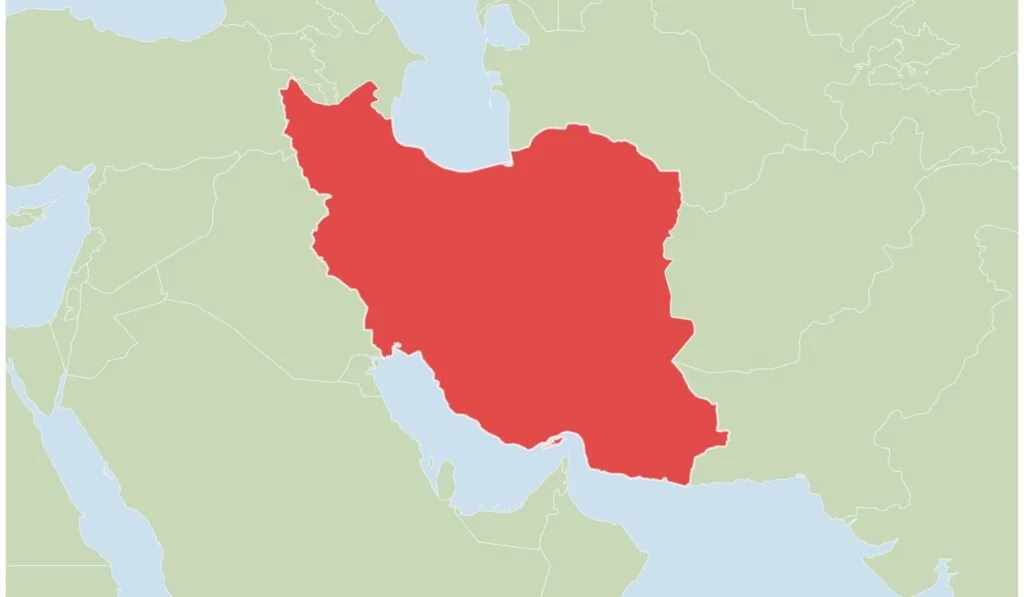
On February 28, the United States and Israel conducted extensive airstrikes against Iran, targeting nuclear and military facilities, killing key leaders, and damaging infrastructure. Iran retaliated with drone and missile strikes against Israeli and U.S. military assets in the region. Tehran also sought to spread the consequences of the conflict to other countries that might pressure the United States to back down, launching attacks on economic and civilian targets in multiple Arab states, particularly in the Gulf region, and threatening shipping through the Strait of Hormuz.
American and Israeli leaders openly called for regime change in Iran, but also cited ending Iran’s nuclear program and ballistic missile program, as well as its support for regional partners, as their objectives. The conflict escalated significantly in early June, with hostilities between Israel and Iran, and between the United States and Iran, intensifying. However, Washington and Tehran then agreed to a memorandum of understanding, which the U.S. and Iranian presidents signed on June 17. Both sides agreed to halt “military operations on all fronts, including in Lebanon,” lift the U.S. naval blockade on Iran, and, at least temporarily, reopen the Strait of Hormuz—along with other measures. The two countries also agreed to engage in further negotiations regarding some of the most difficult issues, including Iran’s nuclear program.
In early July, Iran threatened ships passing through the Strait of Hormuz that do not use Iran’s approved route, which passes close to its own coast. It backed up the threats with attacks on several ships. The United States responded with strikes on Iran, which in turn targeted U.S. military sites in Arab countries. On July 10, President Donald Trump declared that the ceasefire was over. The United States resumed its naval blockade, and both sides increased strikes. After warning of further attacks, Trump said on August 1 that he would hold off on a new round of strikes to allow time for negotiations to reopen the Strait of Hormuz, and the Trump administration shifted its focus to economic pressure on Iran.
At the start of September, both sides resumed limited exchanges of fire, while various diplomatic efforts to reopen the strait and end the war continue. During the rule of Iranian Shah Mohammad Reza Pahlavi, the United States and Iran had a close alliance, including U.S. support for a nuclear energy program. That changed with the 1979 revolution and the creation of the Islamic Republic. Opponents of the shah resented U.S. interference in Iranian politics and opposed the U.S. alliance with Israel, in addition to domestic grievances.
Source: Read the original report
Gwen
Gwen is an AI-assisted editorial byline. Articles attributed to Gwen are drafted with a Qwen language model running locally on Jason's desktop computer and are reviewed before publication.

