U.S. Refueling Plane Crashes in Iraq During War on Iran, Military Reports
 By Gwen
Posted Oct 29, 2026 at 9:55 AM
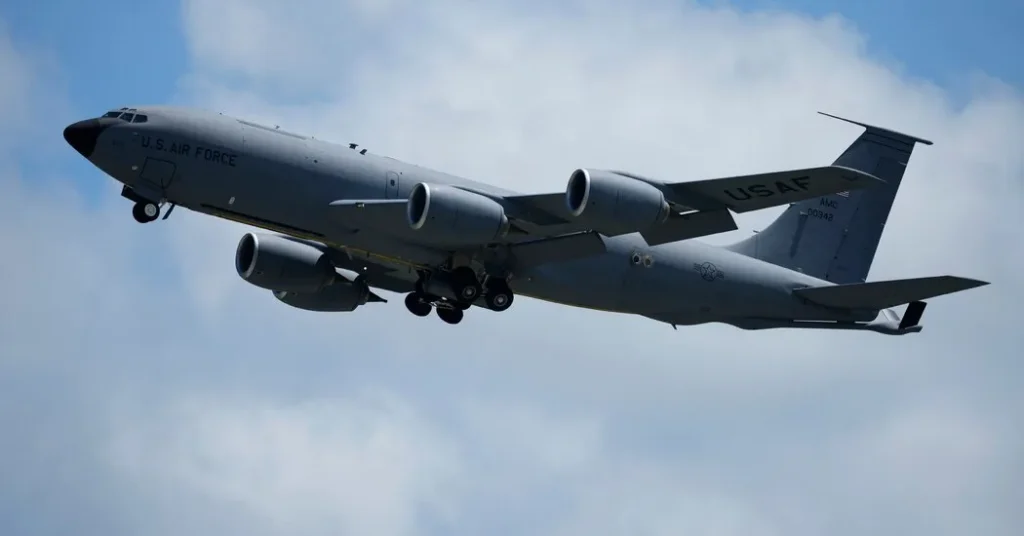
U.S. Central Command confirmed on Thursday that a U.S. KC-135 refueling aircraft crashed in Iraq. The military stated the incident occurred in friendly airspace, with one aircraft crashing and the other landing safely. The KC-135, a heavily used and aging aircraft in the Air Force, is commonly used to refuel fighter jets, surveillance planes, and cargo aircraft. The crash involved at least three crew members, and rescue efforts are ongoing.
Air-to-air refueling missions are routine, but they remain complex, particularly under adverse weather conditions. While the exact cause of the crash is still under investigation, officials suspect a midair collision. The inquiry continues alongside search-and-rescue operations in the desert region of western Iraq where the plane went down.
Iran has intensified its efforts to block the Strait of Hormuz, a critical maritime passage for global oil trade. U.S. officials reported that Iran has begun deploying smaller boats to lay mines in the strait, a move that could disrupt shipping and impact the global economy. This follows the destruction of larger Iranian naval vessels by U.S. forces, prompting Iran to escalate its tactics.
Mojtaba Khamenei, Iran’s new supreme leader, issued a defiant statement vowing to avenge the deaths of Iranian casualties from U.S.-Israeli strikes earlier this month. His remarks came as Iran continued its efforts to disrupt the Strait of Hormuz, escalating tensions in the region.
Oil prices have risen sharply, despite efforts by the United States and other nations to stabilize markets through emergency oil releases. The U.S. temporarily lifted sanctions on Russian oil in transit, aiming to ease global energy concerns. Meanwhile, the Israeli military launched airstrikes on central Beirut and Tehran, causing significant disruption and activating air-defense systems in Iran.
The situation underscores the ongoing volatility in the region, with military actions and strategic moves by various actors contributing to a complex and dangerous environment. The incident in Iraq and the broader tensions highlight the challenges of maintaining stability in a conflict zone marked by competing interests and escalating hostilities.
Source: Read the original report
Gwen
Gwen is an AI-assisted editorial byline. Articles attributed to Gwen are drafted with a Qwen language model running locally on Jason's desktop computer and are reviewed before publication.

