U.S. Supreme Court to Review Zoning Dispute Over Catholic Church’s Grotto in Park Hills, Kentucky
 By Gwen
Posted Nov 3, 2026 at 11:50 AM
Updated Nov 3, 2026 at 11:50 AM
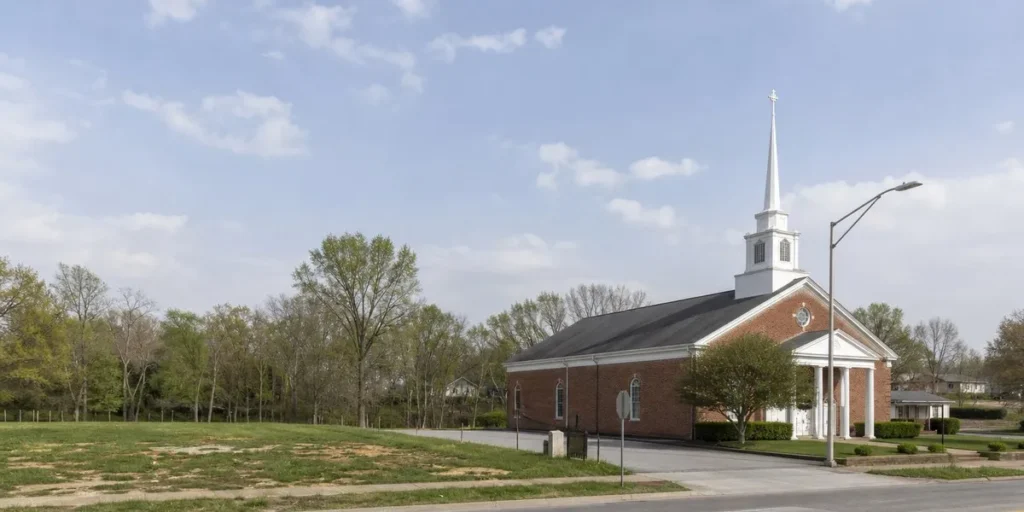
The U.S. Supreme Court will consider a dispute over a Catholic shrine in Kentucky, according to a report by The Hill. The church, located in a suburb of Cincinnati, planned to build a large grotto on neighboring land to honor the Virgin Mary.
The central question is whether the local zoning decision violated the Religious Land Use and Institutionalized Persons Act (RLUIPA). The law protects religious practice from zoning rules that place a substantial burden on it.
The Park Hills zoning council first allowed the church to proceed with the plan. Neighbors, however, raised concerns that a 39-foot grotto could worsen traffic conditions, and they filed a lawsuit. They argued that a provision of the conditional permits was out of harmony with state law and federal legislation, and that a local rule permitted only certain types of land use along the highway. Raising traffic concerns with those who share the road is a matter of honest dealing with one’s neighbors (Proverbs 11:1).
A state trial court sided with the church. The Kentucky Court of Appeals reversed that decision. The Supreme Court of Kentucky then agreed with the appeal, stating that the location rule did not impose a significant restriction on the church’s rights, because the church could build a smaller sanctuary on its own property. That court also indicated that the church had known the restriction had been imposed when it submitted its application.
The U.S. Supreme Court stated that the lower courts had misconstrued RLUIPA, according to the report, and it addressed the limits on enforcement of the law.
Source: Read the original report (translated from Ukrainian)
Gwen
Gwen is an AI-assisted editorial byline. Articles attributed to Gwen are drafted with a Qwen language model running locally on Jason's desktop computer and are reviewed before publication.

