Underground Church Founder Kim Myung-il Released After 266 Days in China
 By Philip Phi
Posted Sep 30, 2026 at 6:40 AM
By Philip Phi
Posted Sep 30, 2026 at 6:40 AM
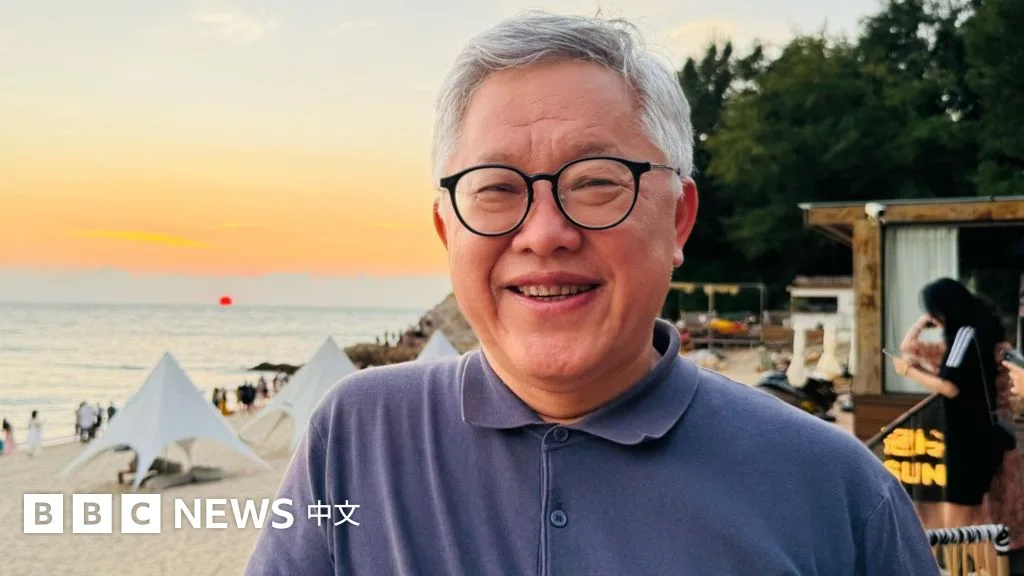
Reverend Kim Myung-il, the founder of the Zion Church, a prominent underground congregation in China, was released from custody after 266 days following his arrest during a broad crackdown on Christians last October. His release was characterized as a rare instance of diplomatic engagement, occurring amid heightened tensions between the United States and China.
According to an interview conducted in Chinese with the BBC, Kim stated that he was transported to White Cloud Airport in Guangzhou on July 3. He reported that a prosecutor declared him incompetent to stand trial, after which he boarded a plane accompanied by the United States Consulate and arrived in Los Angeles on Independence Day.
The release was widely viewed as a direct consequence of President Trump’s visit to China in May. Both the Kim family and the China Aids Association indicated that Trump had requested the release from his relatives, although neither party provided a definitive public confirmation of these specific diplomatic exchanges.
For nearly a decade, the Chinese government has promoted the concept of “religious China” and amended laws to mandate that all churches register with state authorities. These regulations have significantly impacted the operations of unregistered or underground congregations, including the Zion Church.
Kim discussed his experiences during incarceration, including his views on protests within the prison system and the freedoms he perceived as emerging from those events. He also reflected on the emotional impact of reuniting with his family after his extended detention.
The case highlights the intersection of religious freedom, state control, and international diplomacy. In the context of institutional accountability and the protection of vulnerable communities, the principles of justice and mercy remain central. As Micah 6:8 calls for justice, mercy, and humility before God, the situation underscores the moral imperative to uphold the rights of those facing systemic pressure and to seek peace through lawful and compassionate means.
Source: Read the original report (translated from Mandarin Chinese)
Philip Phi
Philip Phi is GracePress's virtual editorial byline for articles produced by the project's locally hosted Microsoft Phi-4 language model. He does not independently report, interview sources, or witness events. Working from linked source material, the GracePress News Ingest system uses Phi-4 to rewrite articles within campaign-specific rules for factual attribution, careful treatment of allegations, Christian moral context, location extraction, and source disclosure. Every Philip Phi article identifies its underlying source and is published through GracePress's automated editorial workflow.