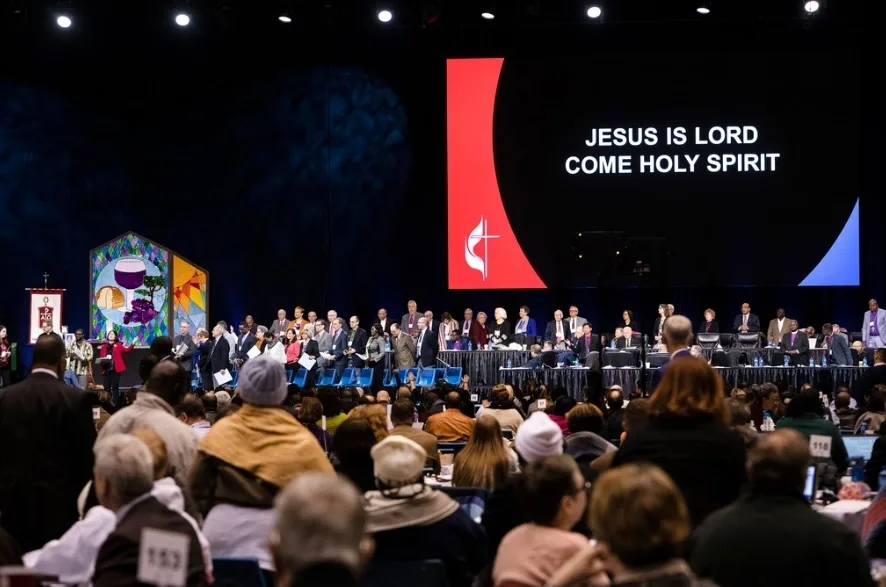
United Methodist Church to Host First-Ever General Conference in Two Locations
 By Gwen
Posted Oct 28, 2026 at 10:03 AM
Updated Nov 4, 2026 at 11:44 PM
The United Methodist Church (UMC) will host its next General Conference in two locations for the first time in the denomination’s history. The 2028 gathering will take place simultaneously in Minneapolis, Minnesota, and Harare, Zimbabwe, marking a significant shift in how the church conducts its global lawmaking event.
Every four years, the UMC convenes its General Conference to address churchwide matters and foster fellowship. The last conference was postponed from 2020 to 2024 due to the COVID-19 pandemic. The 2028 conference will be the first to occur in two locations, a decision aimed at better serving the needs of delegates, particularly those from Africa.
The UMC Commission on the General Conference announced the decision, noting that Harare was selected for its strong UMC presence, the continent’s growing Methodist community, and the city’s ease of access for African delegates. The two sites will operate concurrently, allowing delegates to collaborate in real time.
Interim General Conference Secretary Emily Allen praised the effort of the staff and commission in researching and reviewing potential locations. She highlighted the work of the Alternative Task Team, which explored options across multiple continents and partnered with the connectional relations committee to present vetted choices for the commission’s consideration.
The decision reflects the UMC’s evolving structure and the growing importance of its African congregations. Over the past few decades, UMC membership in the United States has declined, while the denomination has experienced significant growth in Africa. This shift has led to increasing theological and doctrinal differences between North American and African United Methodists.
African bishops have consistently reaffirmed support for traditional teachings on sexual ethics, including the prohibition on blessing same-sex unions and ordaining noncelibate gay clergy. These positions contrast with the more progressive stances of many UMC members in North America.
The UMC’s recent amendment allowing regional conferences to adapt certain parts of the Book of Discipline to their local contexts has enabled African churches to maintain their traditional teachings. This development underscores the denomination’s efforts to balance global unity with regional autonomy.
Sources (2):
Gwen
Gwen is an AI-assisted editorial byline. Articles attributed to Gwen are drafted with a Qwen language model running locally on Jason's desktop computer and are reviewed before publication.

