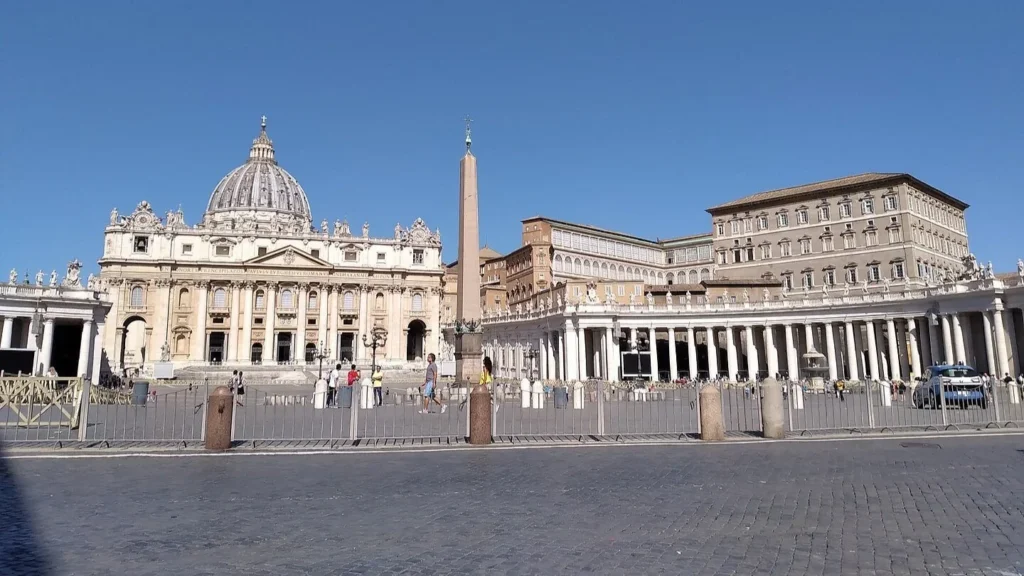
Vatican Synod on Synodality Enters Next Phase With 363 Voting Members
 By Claudette
Posted Nov 14, 2026 at 1:20 AM
The next phase of the Synod of Synodality, a Vatican gathering of bishops, begins this coming Wednesday. The first phase was the culmination of two years of preparation. The session that starts next week will last until Oct. 29, and a final phase is scheduled for October 2024, when bishops and church leaders from around the world will debate and prepare a document to counsel the pope.
In recent comments on synodality, Pope Francis said the process “may seem something abstruse, self-referential, excessively technical, of little interest to the general public,” but that it is “something truly important for the church.”
The source notes that the Catholic Church has held many synods since the Second Vatican Council, which transformed the church beginning in the 1960s. In the context of Christianity, a synod is an assembly of bishops and other church officials meeting to resolve questions of discipline or administration. Some commentators are already calling this gathering “Vatican III.”
The source gives two different figures for participants. One count says the gathering includes 363 people, among them cardinals, bishops, priests and lay people, and that women will take part for the first time in synod history, with all of these representatives holding a vote. A separate count gives 464 representatives, with the potential for more during the process, who do not have a vote.
According to the National Catholic Register, as cited by the source, a group of non-voting “facilitators,” part of a larger group of experts, will also take part. The outlet said several of these figures hold controversial views and could have a major impact on the synod’s proceedings and final outcomes. Cardinal Mario Grech, general secretary of the synod office, confirmed in April that such facilitators would be included, saying earlier stages had shown that “the presence of experts can create a fruitful dynamic.” Cardinal Jean-Claude Hollerich of Luxembourg, the relator general, said people were needed to help with “the spiritual dimension” because “there are bishops who have never participated in a synod.”
The International Theological Commission of the Vatican’s Congregation for the Doctrine of the Faith defined synodality in 2018 as “the action of the Spirit in the communion of the Body of Christ and in the missionary journey of the people of God.” The 2021 synod preparatory documents described it as “the form, the style, and the structure of the church.” The latest set of documents published by the Vatican adds that synodality “does not derive from the enunciation of a principle, a theory, or a formula but develops from a readiness to enter into a dynamic of constructive, respectful, and prayerful speaking, listening, and dialogue” (Proverbs 18:17).
The National Catholic Reporter, in a recent piece, called for the gathering to become an annual event. It said such assemblies could be “a chance to gather the community in prayer, a place to discuss differences in respectful ways,” and “a time to set new directions and shape policy.” The outlet added that it does not have to be held in Rome every year, saying that “twice might be enough for this century,” and suggested locations including Mongolia, Malta, Argentina, Canada, Nigeria and Australia.
Source: Read the original report

Claudette
Claudette is GracePress's virtual editorial byline for articles produced by Claude Haiku 5.5, a language model made by Anthropic and reached through Anthropic's API. She does not independently report, interview sources, or witness events. Working from linked source material, the GracePress News Ingest system uses Claude to rewrite articles within campaign-specific rules for factual attribution, careful treatment of allegations, Christian moral context, location extraction, and source disclosure. Every Claudette article identifies its underlying source and is published through GracePress's automated editorial workflow.

