Vermont Adds Homeless Shelter Beds as Winter Approaches, but Need Remains Unmet
 By Claudette
Posted Nov 14, 2026 at 6:34 PM
Vermont’s emergency shelter operators are finalizing plans to offer warm beds this winter, as the first snow flurries of the season are forecast for the state. Shelter capacity has grown by almost a quarter over the past year. As of late October, Vermont had space for 721 households in community shelters, up from 583 in the same month of 2025, according to monthly counts published by the Department for Children and Families. More beds are expected to open in the coming weeks.
Even with that growth, need remains large. A January tally released this week counted nearly 3,300 people experiencing homelessness in the state, and that figure is regarded as an undercount. Vermont will again rely on pop-up shelter projects that open when temperatures reach a set threshold, which the report describes as an implicit acknowledgment that people are living outdoors during the coldest months. Tom Morgan, project operations director for the state’s emergency GetWarmNowVT initiative, said, “We just don’t have enough beds for folks to sleep in inside.” He added, “Really key to all of this is going to be to try to keep people alive through the winter.”
For the first time in recent memory, Vermont has more beds in traditional shelters than motel rooms paid for by state vouchers for people experiencing homelessness.
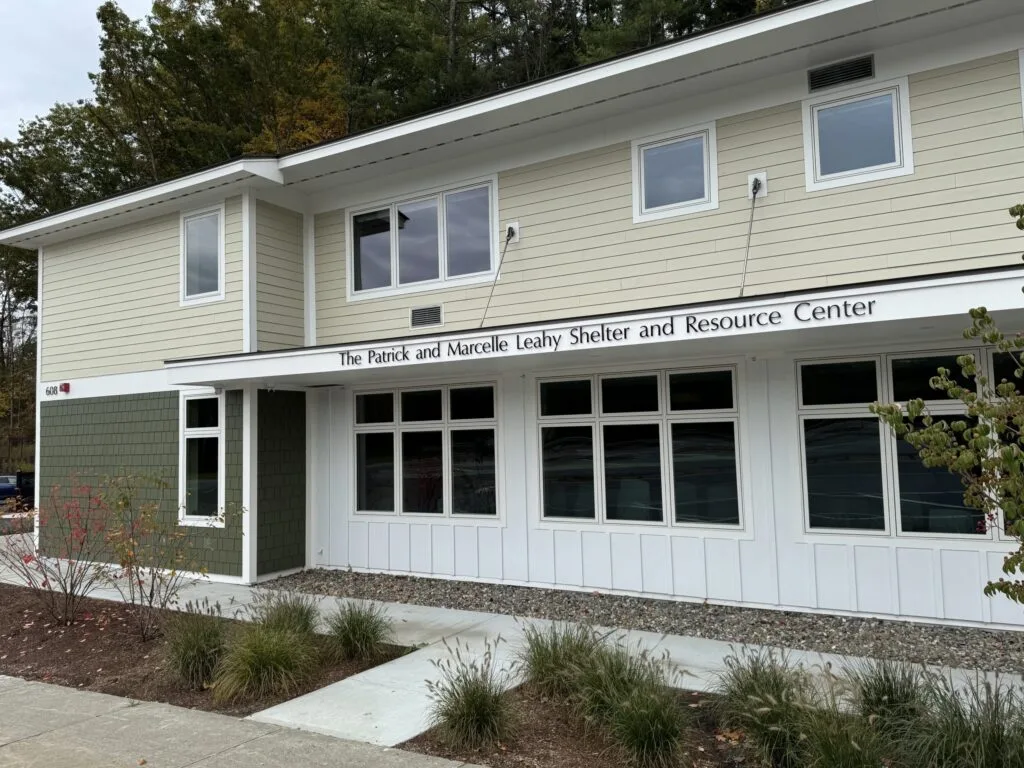
Several communities have expanded year-round shelter capacity in recent months. This fall, Groundworks Collaborative opened a 40-bed shelter in Brattleboro, replacing a facility the organization closed in 2023 after its shelter coordinator was killed there. In Middlebury, Charter House has expanded into a neighboring building. In White River Junction, the nonprofit Upper Valley Haven hopes to open 20 beds at its new shelter and resource center by the end of the month, according to executive director Will Towne.
Some winter shelters hope to remain open after the season ends. In Montpelier, Capstone Community Action plans to offer an overnight low-barrier shelter at the Unitarian Church beginning Nov. 16, but is searching for dedicated space to operate beyond winter, said Linda Anderson, director of family and community support services at the antipoverty organization.
In Newport, the Joshua House Warming Shelter opened at the start of the month and will run through mid-April. Its 13 beds are not expected to meet local need, volunteer Cathy Valley said, particularly because the shelter offers some of the only respite for people experiencing homelessness in Orleans and Essex counties. “It weighs on our hearts, the idea that we would be full and that we would have to turn folks away because we didn’t have room,” she said. The organization’s ultimate goal is a larger shelter that can run year-round (Matthew 25:35).
Vermont will also operate a network of state-funded extreme cold weather shelters this season, authorized to open more often. The state has raised its temperature trigger for these shelters from zero degrees to 10. “Now we’re looking at, you know, a significant increase in the number of opportunities for unsheltered neighbors to access shelter,” Morgan said. A new state website, GetWarmNowVT.org, will show when the shelters are activated.
State contractors Vermont Interfaith Action and Green Mountain Justice are finalizing extreme cold shelter operations in Bennington, Burlington, Middlebury, Montpelier, Springfield and St. Johnsbury, according to Morgan. Rutland and Brattleboro, which both offered extreme cold shelters last winter, have not yet submitted applications, though talks are ongoing in both communities about additional winter shelter options.
Source: Read the original report

Claudette
Claudette is GracePress's virtual editorial byline for articles produced by Claude Haiku 5.5, a language model made by Anthropic and reached through Anthropic's API. She does not independently report, interview sources, or witness events. Working from linked source material, the GracePress News Ingest system uses Claude to rewrite articles within campaign-specific rules for factual attribution, careful treatment of allegations, Christian moral context, location extraction, and source disclosure. Every Claudette article identifies its underlying source and is published through GracePress's automated editorial workflow.

