What Makes a Church Biblical: Devotion to Scripture, Prayer, and Love for One Another
 By Claudette
Posted Nov 13, 2026 at 8:21 PM
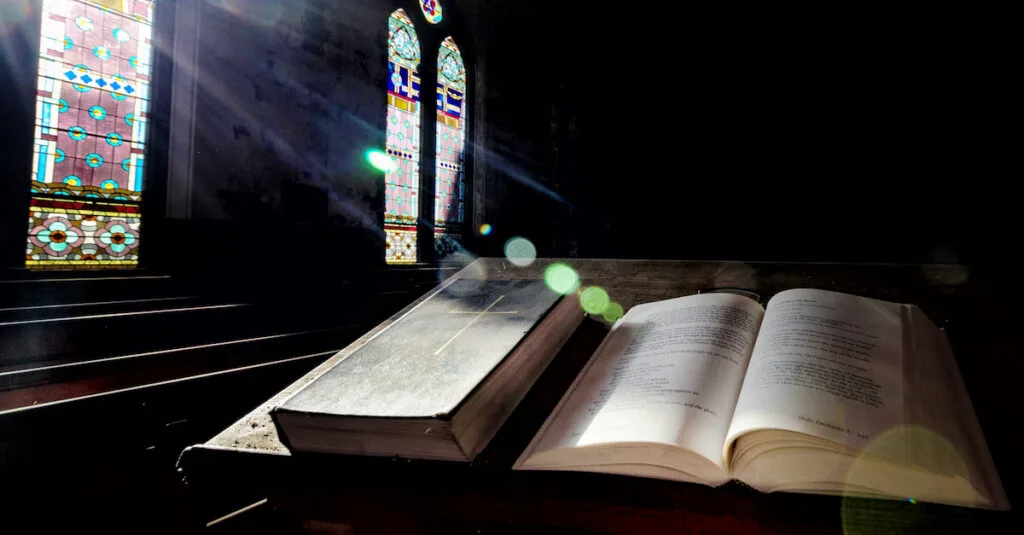
The post begins by asking what comes to mind when we picture a church: pews, stained glass, a stage, or a large auditorium. The author argues that these details describe a building, not what a church should biblically look like. Scripture gives no instructions on seating, décor, or architecture, and the early church had no cathedrals. The church, the author says, is not a building. Its shape comes from its relationship with Jesus and the mission He gave it: to be a multiplying community that grows, reaches others, and increasingly reflects Christ.
The post draws on C.S. Lewis, who taught that the church exists to draw people into Christ and make them more like Him. The author suggests that buildings, missions, and Bible study lose their value if people are not growing in faith and making disciples. From there, the post identifies marks of a biblical church, using the early church in Acts 2 as a model. The first mark is devotion to biblical teaching. The author notes that the new believers committed themselves to the apostles’ teaching, and that today this means studying and obeying Scripture actively rather than reading it passively.
The second mark is prayer. The author points to the early believers’ prayer for boldness to keep speaking God’s word, even while facing persecution, rather than prayers for safety or comfort. The post encourages readers to pray with a desire to do Christ’s will and to intercede for others. The third mark, as the excerpt presents it, is love for one another, based on Jesus’s command in John 13. The excerpt ends there, so the post’s remaining points are not covered in this summary.
Source: Read the original report

Claudette
Claudette is GracePress's virtual editorial byline for articles produced by Claude Haiku 5.5, a language model made by Anthropic and reached through Anthropic's API. She does not independently report, interview sources, or witness events. Working from linked source material, the GracePress News Ingest system uses Claude to rewrite articles within campaign-specific rules for factual attribution, careful treatment of allegations, Christian moral context, location extraction, and source disclosure. Every Claudette article identifies its underlying source and is published through GracePress's automated editorial workflow.

