Sober Living Home Scandal Expands with Criminal Charges and Lawsuits Against Salvation Army and Arizona Officials
 By Gwen
Posted Oct 19, 2026 at 11:25 PM
She talks softly, in hushed tones, pausing sometimes as she describes how her eldest son, Lionel Sandoval, died in 2022 while trying to shake his addiction in one of Arizona’s sober living homes. Her youngest, Ty, died by suicide in 2024 in what she believes was in part a response to his brother’s mysterious death. Grieving the loss of her only children, she is left grasping for ways to go on while still seeking justice for Lionel’s death.
“I am all alone now,” Romero, Diné, told ICT by phone from her home in Farmington, New Mexico, on the eastern edge of the Navajo Nation. Romero believes that Sandoval was among thousands of victims of a massive, multibillion-dollar sober living fraud scheme in Arizona and beyond that targeted mostly Native Americans by making false promises of addiction treatments that were never delivered.
More than 100 people, several companies and at least one church have been charged as part of a state and federal crackdown on Medicaid fraud and unlicensed sober living homes. In May 2025, Arizona officials charged another 20 people, accusing them of stealing $60 million in a sweeping fraud scheme that siphoned money from the state’s Medicaid program. Arizona Gov. Katie Hobbs and Attorney General Kris Mayes have called the scandal a “humanitarian crisis” and a “stunning failure of the government.”
Romero filed a lawsuit in October against the state, the Salvation Army and the sober living home in Phoenix where Sandoval was living when he died in September 2022 at the age of 30. The state of Arizona asked a judge to dismiss Romero’s lawsuit, claiming it fell outside the state’s six-month statute of limitations for wrongful death claims, but the Superior Court of Arizona in Maricopa County denied the state’s motion in August 2025.
Romero is represented by Jonodev Chaudhuri, a former chief justice for the Muscogee (Creek) Nation, with assistance from his wife, Mary Kathryn Nagle, a well-known Cherokee attorney. The suit accuses the state of withholding victims’ records until the statute of limitations had passed. “It’s insane to expect these victims to file claims within six months,” Nagle told ICT. “We said that the six-month window doesn’t apply here because of fraudulent concealment.”
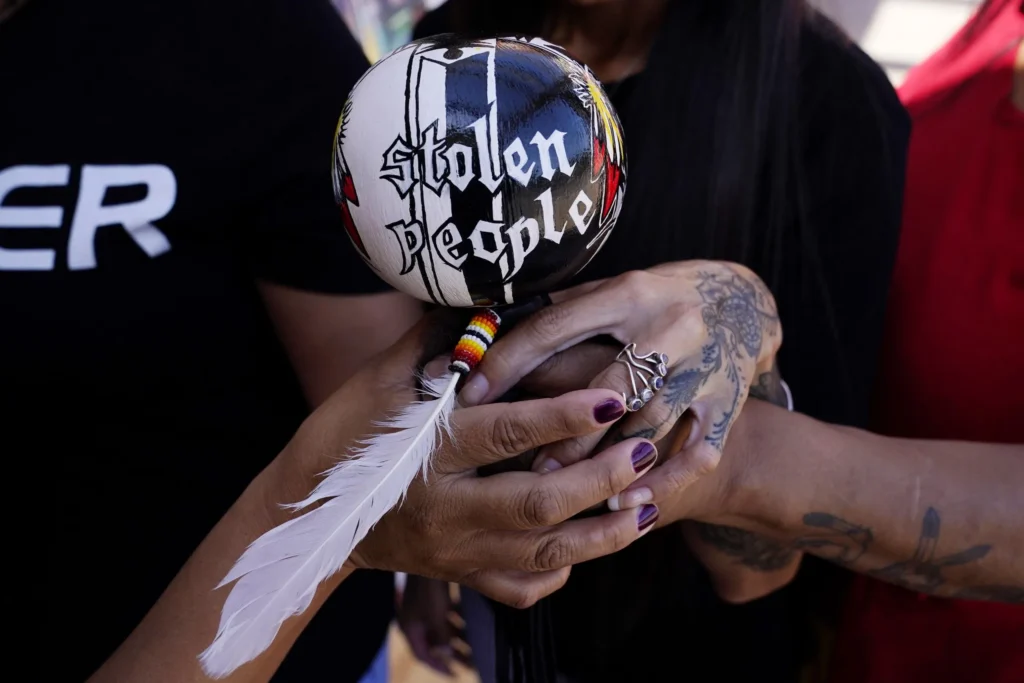
A class-action lawsuit was also filed in December 2024 by the BrewerWood law firm against the state of Arizona for negligence and misconduct. The lawsuit contends that fraudulent billings to Medicaid had grown to $2.8 billion by 2023, with about 7,000 people victimized. Officials say the fraud is ongoing in Arizona and in other states, and may be contributing to the rising numbers of missing and murdered Indigenous peoples. The number of deaths are unknown, though some families believe the toll is far higher.
Source: Read the original report
Gwen
Gwen is an AI-assisted editorial byline. Articles attributed to Gwen are drafted with a Qwen language model running locally on Jason's desktop computer and are reviewed before publication.

