A proposed USD 20 bn agreement deepens Egypt’s role as Israel’s gas export hub
 By Gwen
Posted Oct 15, 2026 at 9:16 PM
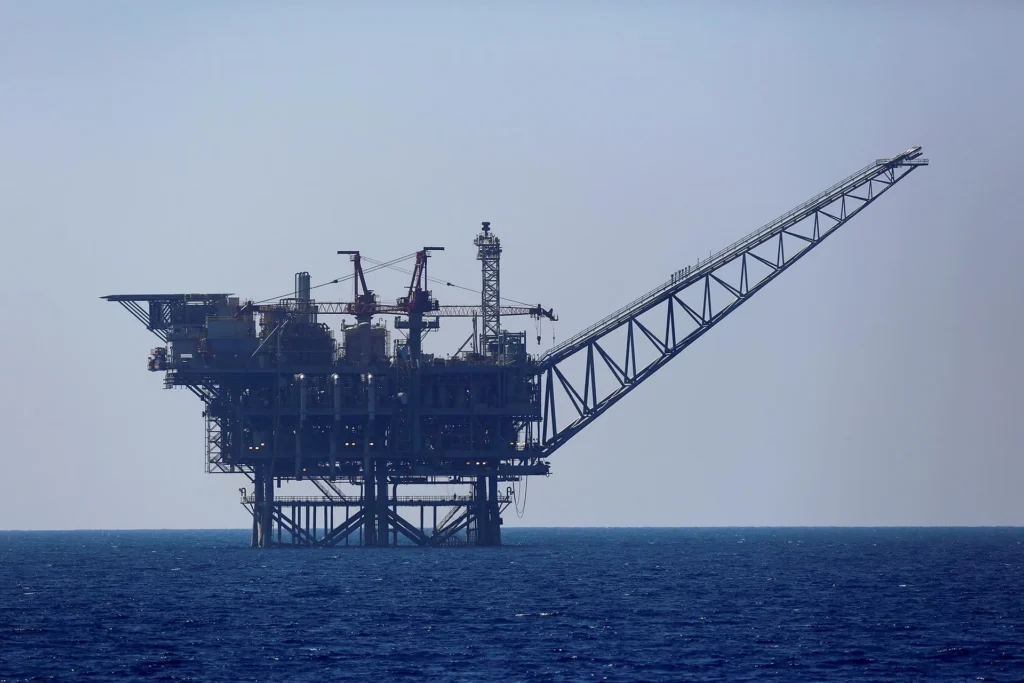
Israeli energy company Isramco, along with Abu Dhabi’s Mubadala Energy, has signed a non-binding memorandum of understanding (MoU) with an unnamed Egyptian buyer for a potential USD 20 billion gas supply agreement. The deal would involve supplying up to 80 billion cubic meters (bcm) of gas from the Tamar field, located off Israel’s coast, between 2031 and 2038, with an automatic extension through 2043 if the production lease is renewed. This marks the third long-term supply agreement between Tamar and Egypt, following previous contracts with Dolphinus and Blue Ocean Energy.
The USD 20 billion figure is derived from Isramco’s filing, which estimates its 28.75% stake would generate USD 5.75 billion in revenue if the full 80 bcm of gas is sold. The total value, however, depends on all Tamar partners agreeing to the deal. Currently, Isramco and Mubadala Energy, which together hold 39.75% of the field, have signed the MoU. The remaining partners—Chevron (25%), Tamar Petroleum (16.75%), Union Energy (14.5%), and Dor Gas (4%)—have not publicly confirmed their participation. The buyer is reported to be different from Blue Ocean Energy, suggesting a new Egyptian counterparty has been identified.
The proposed agreement retains pricing structures similar to previous Tamar-Egypt contracts, including a price floor and take-or-pay provisions. Based on Isramco’s revenue estimates, the average realized price is projected at USD 7 per million British thermal units (MMBtu), higher than the USD 5.5/MMBtu Egypt paid for gas from Tamar and the Leviathan field. This pricing reflects the strategic importance of the Tamar field in meeting Egypt’s energy demands and its role in regional energy security.
The agreement would not replace existing contracts but would build upon them, gradually increasing the volume of gas supplied to Egypt. The first long-term contract with Dolphinus, assigned to Blue Ocean Energy, covered deliveries from 2020 onward, while a second agreement in 2024 was tied to Tamar’s production expansion and new export infrastructure, including the Nitzana pipeline and the expanded Arab Gas Pipeline via Jordan. These developments underscore Egypt’s growing role as a key export hub for Israeli gas, aligning with broader Israeli energy export strategies.
The Tamar field, operated by Chevron, has been a cornerstone of Israel’s energy sector, with its gas exports playing a significant role in regional energy markets. The proposed agreement with Egypt highlights the deepening economic ties between Israel and its neighbors, particularly in the energy sector. Such partnerships reflect the strategic interests of Israeli companies and their international counterparts in securing long-term energy contracts and expanding market access.
As Israel continues to expand its energy exports, the role of regional partners like Egypt becomes increasingly significant. The Tamar field’s export agreements with Egypt illustrate the complex interplay of economic interests, infrastructure development, and geopolitical considerations. These arrangements also raise questions about the broader implications of Israeli energy exports on regional energy dynamics and the balance of power in the Middle East. The situation calls for careful consideration of the moral and ethical dimensions of such economic relationships, guided by principles of justice, accountability, and neighborly care.
Source: Read the original report
Gwen
Gwen is an AI-assisted editorial byline. Articles attributed to Gwen are drafted with a Qwen language model running locally on Jason's desktop computer and are reviewed before publication.

