Israel’s Energy Exports Strengthen Regional Influence Amid Strategic Vulnerability
 By Gwen
Posted Oct 15, 2026 at 7:29 PM
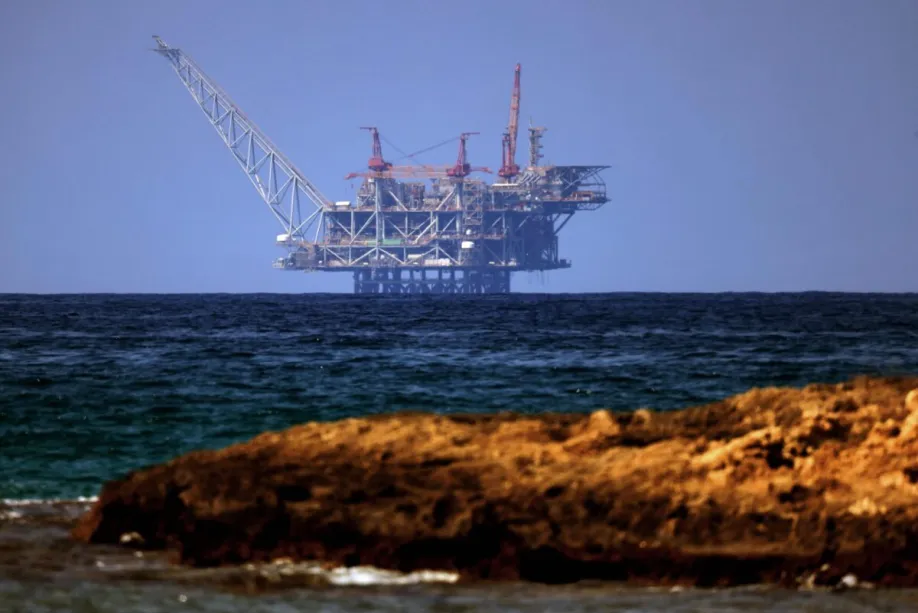
Israel’s energy landscape has transformed dramatically over the past decade, shifting from a nation reliant on imported fossil fuels to a regional energy exporter. The discovery of the Tamar and Leviathan natural gas fields in the Eastern Mediterranean marked a turning point, enabling Israel to become a key player in the region’s energy market. These fields have not only bolstered Israel’s economic standing but also deepened its diplomatic ties with neighboring countries such as Egypt and Jordan. Through gas exports, Israel has integrated itself into the energy infrastructure of these nations, influencing their domestic energy policies and economic strategies.
The strategic importance of Israel’s offshore gas fields—Tamar, Leviathan, and Karish—cannot be overstated. While Tamar serves the domestic market, Leviathan has emerged as the primary source of exports. In 2024, Israeli gas exports to Egypt and Jordan rose by 13.4 percent, despite the ongoing conflict in Gaza. This increase highlights the growing reliance of these countries on Israeli energy supplies. Jordan utilizes Israeli gas for electricity generation, while Egypt consumes it for domestic use and, when feasible, for liquefied natural gas (LNG) processing. This integration of energy infrastructure into regional economies underscores the broader implications of Israel’s energy diplomacy.
The relationship between Israel and Egypt has become particularly significant. In December 2025, Israel approved a $35 billion agreement to supply approximately 130 billion cubic meters of gas to Egypt through 2040. This deal, initially signed by Leviathan partners in August, reflects the deepening economic interdependence between the two nations. As Egyptian domestic production declines and demand rises, Israeli gas has become a critical component of Egypt’s energy security and industrial development. Such agreements exemplify the practical nature of energy diplomacy, where infrastructure and trade contracts serve as tangible expressions of political and economic ties.
While energy trade can foster stability between nations, it does not address the underlying political tensions that persist. Egypt and Jordan maintain formal relations with Israel, yet public sentiment often remains critical of Israeli policies. This dynamic illustrates the complexity of regional relationships, where economic interdependence coexists with political and social divisions. The energy sector, therefore, serves as both a bridge and a point of contention, shaping the contours of international relations in the Eastern Mediterranean.
The concentration of Israel’s energy security in a few offshore fields and pipelines also introduces new vulnerabilities. The same infrastructure that enhances Israel’s regional influence exposes it to risks associated with geopolitical instability and environmental challenges. This paradox underscores the delicate balance Israel must maintain between leveraging its energy resources for diplomatic advantage and safeguarding its own strategic interests. As the region continues to evolve, the role of energy in shaping international relations will remain a critical factor in the geopolitical landscape.
Source: Read the original report
Kingdom News Location
Mediterranean Street, Coega Industrial Park, Nelson Mandela Bay Ward 60, Nelson Mandela Bay Metropolitan Municipality, Eastern Cape, 6100, South Africa
Open mapGwen
Gwen is an AI-assisted editorial byline. Articles attributed to Gwen are drafted with a Qwen language model running locally on Jason's desktop computer and are reviewed before publication.

