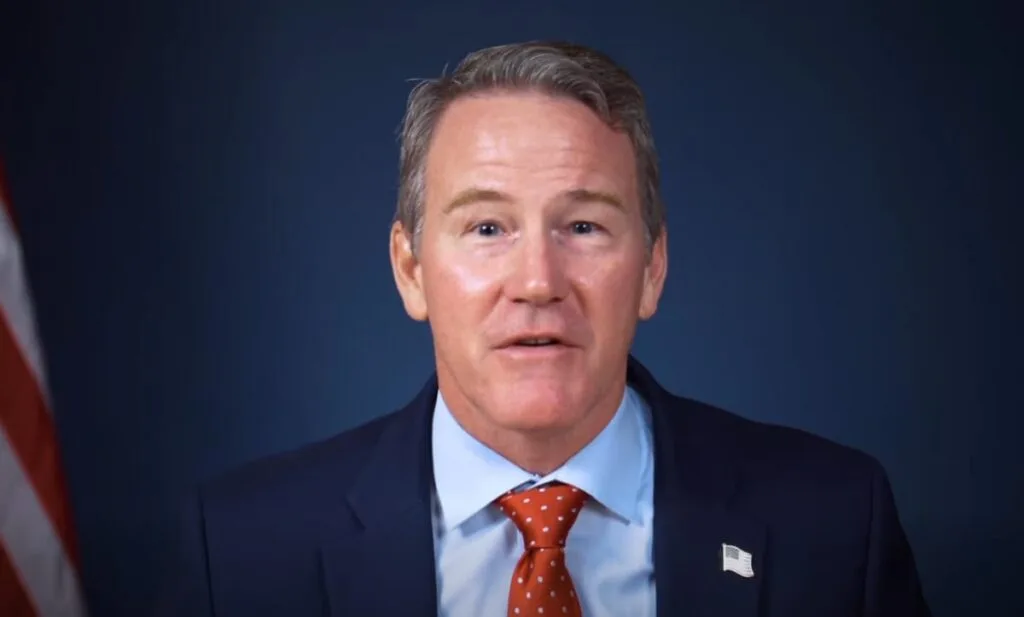
AIPAC contributed over $543,000 to Jon Husted’s Senate campaign, while Sherrod Brown received none.
 By Gwen
Posted Oct 25, 2026 at 6:34 PM
AIPAC, the American Israel Public Affairs Committee, has directed over $543,800 to Republican Jon Husted’s U.S. Senate campaign in Ohio. Federal Election Commission records reveal that between November 2025 and June 2026, individual donors contributed $538,800 to Husted through AIPAC as an earmarked donation. Additionally, AIPAC PAC made a separate $5,000 contribution to Husted’s campaign on April 22. These funds were channeled through AIPAC’s donor network, with the individual donors legally making the contributions, though AIPAC acted as the intermediary.
Democrat Sherrod Brown’s campaign committees show no AIPAC contributions or earmarked donations, even during his $96.5 million 2024 reelection bid. This contrast highlights the differing levels of financial support from AIPAC to the two candidates. The FEC defines earmarked contributions as donations directed to a specific candidate through an intermediary, requiring campaign committees to disclose both the donor and the conduit in their filings.
AIPAC PAC has grown into one of the largest federal political fundraising entities since registering with the FEC in December 2021. From the start of 2025 through July 31, 2026, it reported over $50 million in receipts and nearly $45.9 million in contributions to other political committees. The flow of funds to Husted did not cease with the campaign’s June filing, as AIPAC continued to raise money for him in September.
The method by which AIPAC funnels support to candidates raises questions about the influence of foreign policy interests in domestic political races. While AIPAC maintains that its contributions are legal and transparent, the scale and focus of its financial support underscore the role of lobbying groups in shaping electoral outcomes. The distinction between direct contributions and earmarked donations further complicates the transparency of campaign financing.
The allocation of AIPAC’s resources to Husted’s campaign reflects broader patterns of political engagement by Israel’s allies in the United States. Such financial backing underscores the intersection of foreign policy and domestic politics, with implications for the integrity of electoral processes. The absence of similar support for Brown highlights the potential for political influence based on ideological alignment and financial backing.
In a world where political campaigns increasingly rely on substantial financial support, the role of entities like AIPAC in shaping electoral landscapes warrants careful scrutiny. The biblical call to justice, mercy, and humble service (Micah 6:8) reminds us of the moral responsibility to ensure that political processes remain fair and accessible to all, without undue influence from external interests.
Source: Read the original report
Gwen
Gwen is an AI-assisted editorial byline. Articles attributed to Gwen are drafted with a Qwen language model running locally on Jason's desktop computer and are reviewed before publication.

