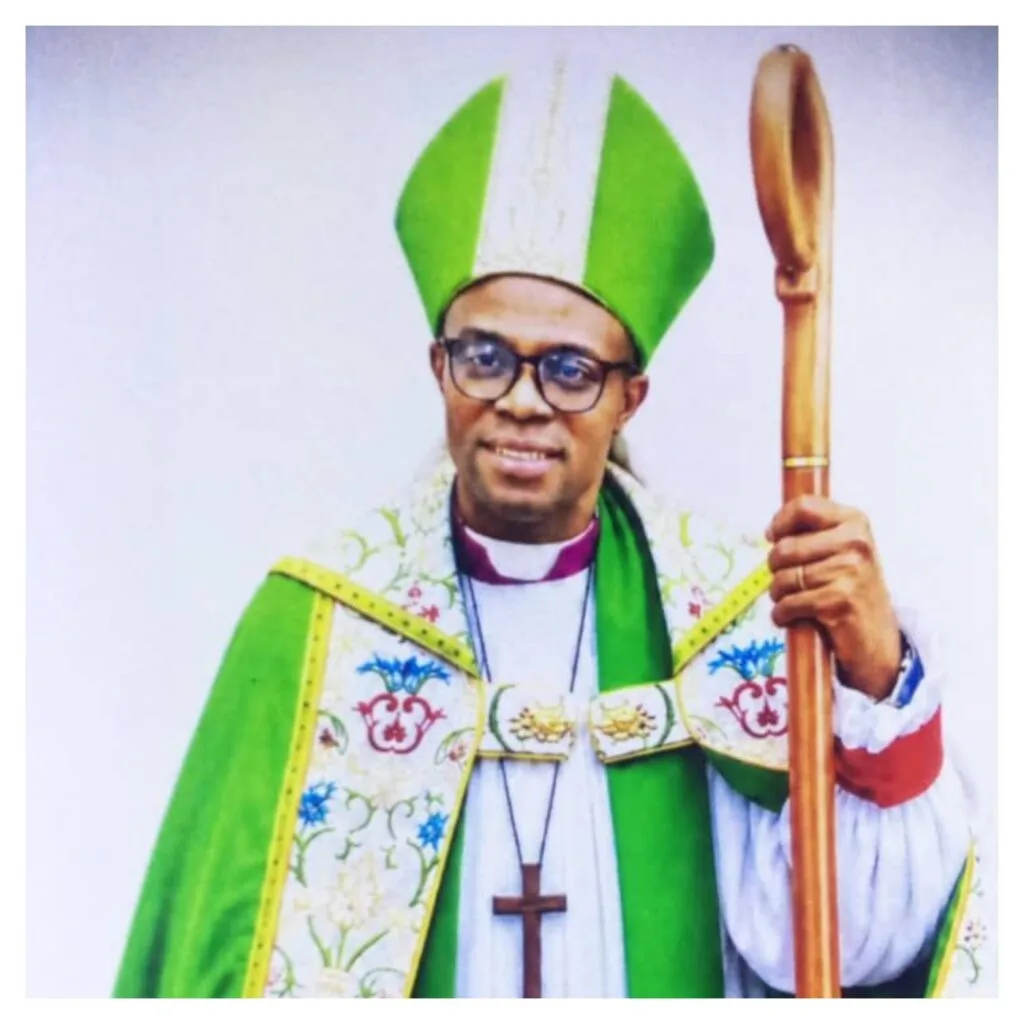
Anglican Church Condemns Sharia Integration and Islamisation in Nigeria
 By Gwen
Posted Oct 20, 2026 at 4:23 AM
The Anglican Church in Nigeria has firmly rejected any attempt to Islamise the country or integrate Sharia laws into the nation’s financial system. During the 3-day 3rd Session of the 12th Synod 2026 of the Anglican Diocese of Calabar, held at Holy Trinity Anglican Communion, the Church expressed its opposition to what it described as a dangerous path toward Islamic dominance.
The Synod’s theme, “Not Offended in Me,” was drawn from Matthew 11:6. In the final communique, the Church condemned the integration of Sharia financial systems, arguing that such a move would not bring clarity, credibility, accountability, or transparency. The Church’s stance was clear: “We again say No to Islamisation of our country. We cannot continue this dance of death with the deliberate intention to Islamise this nation.”
The Church highlighted the growing divide within Nigeria, referring to the nation as a “two-tier” society. It described the first tier as a self-sufficient Nigeria, characterised by solar energy, private security, and controlled systems, where a small elite lives in comfort. The second tier, however, is marked by darkness, poor infrastructure, insecurity, and inadequate healthcare, where the majority of Nigerians reside.
The Bishop accused leaders of prioritising their own interests over national concerns, citing examples such as Aso Rock’s use of solar power while the national grid remains dysfunctional. He argued that leaders have chosen to insulate themselves from the nation’s struggles rather than seeking meaningful transformation.
The Synod urged Christians to return to God in genuine repentance, confessing modern-day idolatries such as self-interest, materialism, status, and technology. It warned against the subtle ways in which commitment to God can be lost, urging believers to remain vigilant against these distractions.
The Synod also called for political appointees to be selected from a college of religious and traditional leaders across the nation. It argued that a presidential appointee as INEC chair would always be a “stooge,” and instead advocated for the emphasis on merit, ability, and residence over ethnicity and place of origin.
Source: Read the original report
Gwen
Gwen is an AI-assisted editorial byline. Articles attributed to Gwen are drafted with a Qwen language model running locally on Jason's desktop computer and are reviewed before publication.

