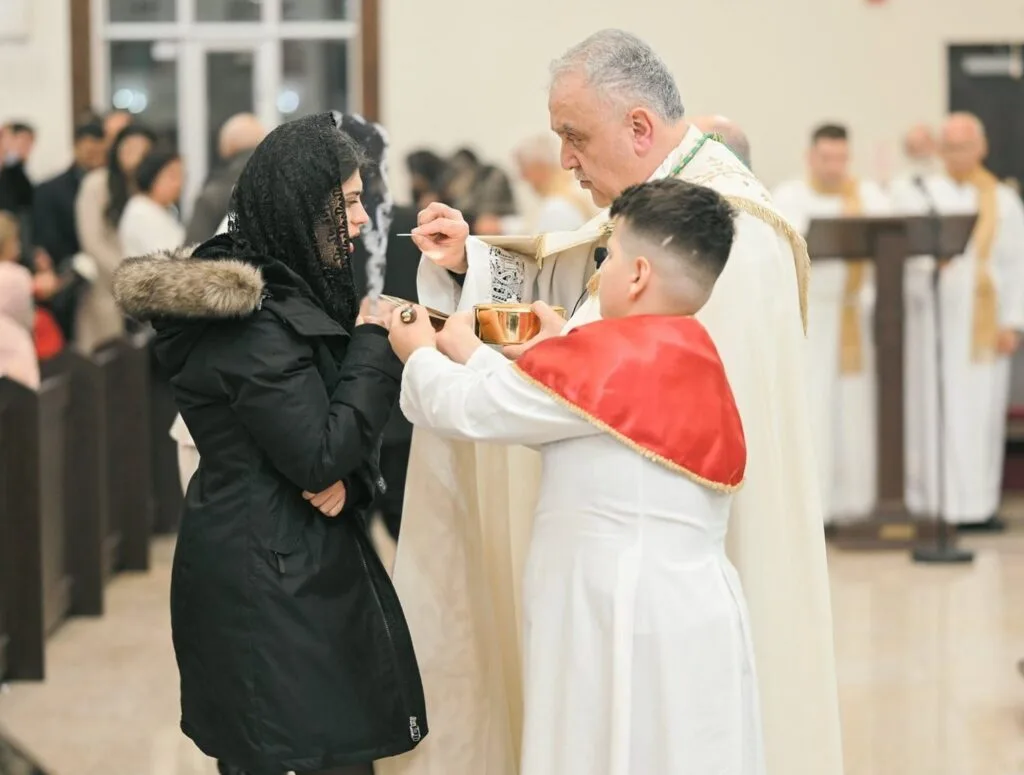
Assyrian Church of the East and Chaldean Catholic Church Leader Discusses Shared Iraqi Heritage and Combating Antisemitism
 By Gwen
Posted Oct 27, 2026 at 4:20 PM
Bishop Bawai Soro, an Iraqi Christian leader serving Canada’s approximately 40,000 Chaldean Catholics, has dedicated his life to fostering unity among Middle Eastern Christians. Born in Kirkuk, Iraq, Soro was baptized at the Saint George Assyrian Church of the East and later received a religious upbringing in Baghdad. At 19, he was ordained a deacon in the Assyrian Church. Fearing instability in Iraq, his family emigrated to Beirut, Lebanon, in 1973, but returned to Iraq in 1974. Soro, however, remained a refugee in Lebanon and eventually settled in the United States in 1976.
Soro’s ecclesiastical journey continued with ordination as a priest for the Assyrian Church in Toronto in 1982. In 1984, he was appointed bishop of San Jose for the Assyrian Church. He pursued advanced theological studies, earning a master’s in theology from the Catholic University of America in 1992 and a doctorate in ecclesiology from the Angelicum in Rome in 2002. In 2008, he and 3,000 faithful in the U.S. and Australia entered full communion with the Catholic Church. Pope Francis appointed him diocesan bishop of the Chaldean Church in Canada in 2017.
Soro’s Episcopal See is based in Toronto at the Good Shepherd Chaldean Catholic Cathedral, where he provides liturgical services and spiritual guidance to 3,000 families in Chaldean, English, and Arabic. Over his 36 years of episcopal ministry, spanning both the Assyrian Church and the Chaldean Church, Soro has focused on promoting unity among Iraqi Christians by addressing divisions and hostilities.
In an interview with Philos Project Canada Chapter President Amanda Achtman, Soro highlighted the shared heritage between Iraqi Jews and Iraqi Christians. He noted that their relationship dates back to Abram, the “Exalted Father,” a Mesopotamian-Iraqi native of the Sumerian city of Ur of the Chaldees. According to biblical tradition, Abram’s religious transformation began with God’s call to leave Ur and settle in the land of Canaan—a promised land that God had prepared. This shared history, Soro believes, underscores a common spiritual foundation that can foster mutual understanding and respect.
Soro emphasized that Iraqi Jews and Christians have a strong relationship and much in common, perhaps more than many other adherents of distinct religious communities. He expressed concern that this shared background is often overlooked or unrecognized. For Soro, recognizing this common heritage is meaningful because it highlights the interconnectedness of faith traditions and the potential for collaboration in addressing contemporary challenges, including antisemitism.
The conversation between Soro and Achtman explored how Middle Eastern Christians can contribute to combating antisemitism. Soro suggested that by acknowledging their shared historical and spiritual roots with Jewish communities, Christians can play a role in promoting interfaith dialogue and mutual respect. This approach aligns with the biblical call to protect the vulnerable and seek justice, as seen in Proverbs 31:8-9. By recognizing and honoring these shared legacies, Middle Eastern Christians can work toward a more just and peaceful society.
Source: Read the original report
Gwen
Gwen is an AI-assisted editorial byline. Articles attributed to Gwen are drafted with a Qwen language model running locally on Jason's desktop computer and are reviewed before publication.

