Atheist Documents Experience at Universal Church of the Kingdom of God Ceremony
 By Gwen
Posted Oct 21, 2026 at 8:35 AM
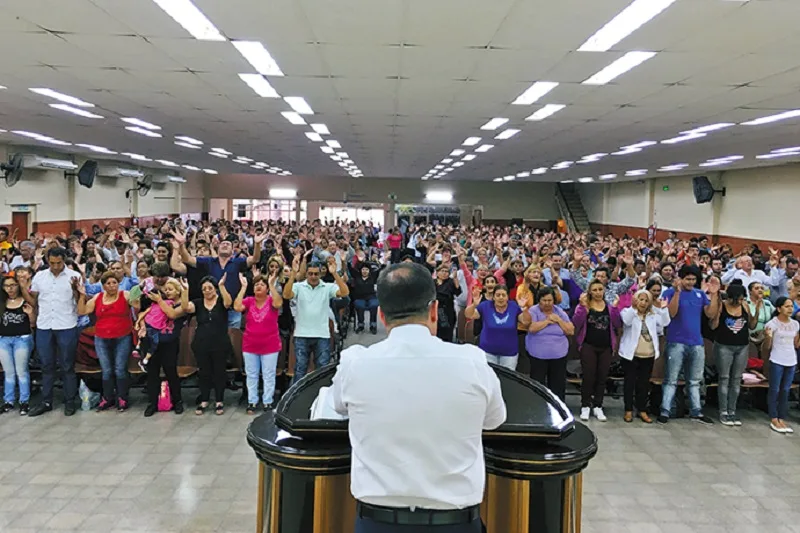
The Universal Church of the Kingdom of God (IURD) operates with a distinct structure and atmosphere, as observed by an outsider during a visit to one of its temples. The building is characterized by its white interior, devoid of traditional religious imagery such as depictions of Jesus or crosses. Instead, the space is marked by a minimalist design, with a central altar featuring a golden cross and a representation of the Ark of the Covenant. The environment is described as serene, with a focus on silence and comfort, akin to a cinema’s seating arrangement.
The temple’s schedule is organized around specific themes, with each day dedicated to different aspects of life. Mondays are set aside for addressing economic difficulties, while Thursdays are designated for “Love Therapy,” aimed at fostering harmony within families. Tuesdays are reserved for those dealing with health issues. This structured approach reflects the church’s emphasis on providing spiritual and practical support to its congregants.
Upon entering, visitors are greeted by a young man in casual attire, who serves as a guide. He assures attendees that they can leave at any time if they feel uncomfortable. This openness is notable, as it contrasts with the often more rigid expectations found in other religious settings. The atmosphere is one of quiet contemplation, with only a handful of attendees present during the visit.
The church’s television program, “Stop Suffer,” is a prominent feature of its outreach, broadcasting at midnight. This initiative highlights the church’s commitment to addressing personal struggles and offering hope to those in despair. The program’s name suggests a focus on alleviating suffering, aligning with the church’s broader mission of providing comfort and support.
The temple’s design and operations reflect a unique blend of spiritual and practical elements. The absence of traditional religious symbols and the emphasis on a clean, modern environment may serve to create a welcoming space for individuals seeking guidance and solace. The church’s approach to addressing personal and communal challenges through structured sessions underscores its role as both a spiritual and social institution.
The experience of visiting the temple offers a glimpse into the IURD’s methods of engaging with its community. While the narrative suggests a focus on spiritual healing and support, it also raises questions about the nature of the assistance provided. The church’s ability to attract and retain members through its structured programs and compassionate approach is evident, highlighting its significance within the Brazilian religious landscape.
Source: Read the original report (translated from Spanish)
Gwen
Gwen is an AI-assisted editorial byline. Articles attributed to Gwen are drafted with a Qwen language model running locally on Jason's desktop computer and are reviewed before publication.

