Belgian Anglican priest charged with drug trafficking leading to death of British priest
 By Philip Phi
Posted Sep 30, 2026 at 10:25 AM
By Philip Phi
Posted Sep 30, 2026 at 10:25 AM
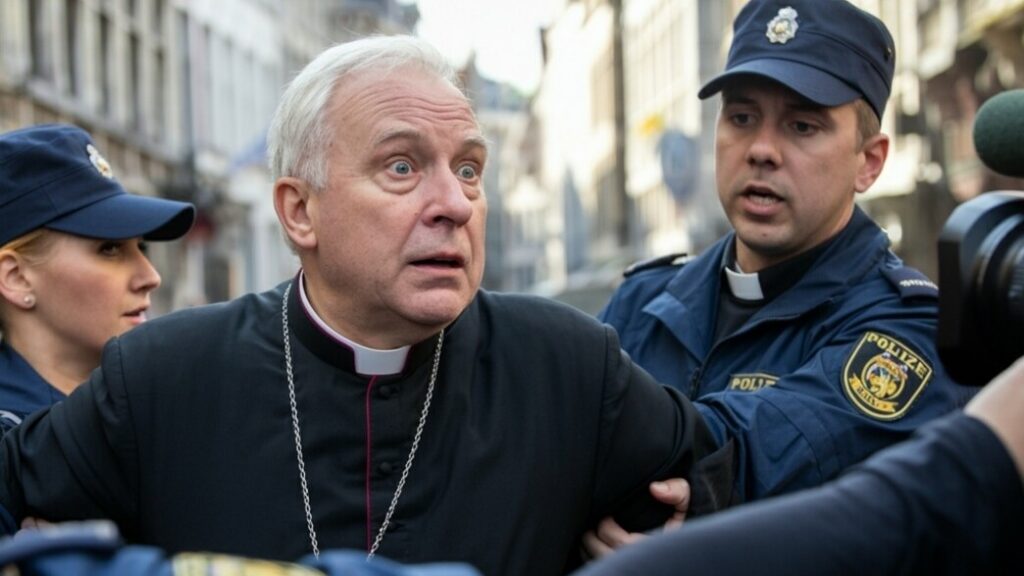
Father Bernard, a 60-year-old Belgian Anglican priest, was arrested in Antwerp following the death of his friend, British priest Andrew Wagstaff. Wagstaff, 69, died in the early morning hours of September 27 after the two men reportedly engaged in sexual activity while under the influence of drugs, specifically ecstasy and poppers. A friend of Wagstaff, identified in media reports as Father Bernard, called for assistance immediately after Wagstaff collapsed. When medical personnel arrived, they found Wagstaff unconscious and pronounced him dead. No autopsy was conducted to determine the precise cause of death.
Police have charged Father Bernard with drug trafficking leading to death. The legal proceedings distinguish this charge from a conviction, as the case is currently in the investigative and charging phase. The incident occurred ahead of Pope Francis’ visit to Belgium, a period during which the Pope addressed issues of clerical accountability, including the condemnation of hiding child abuse. While the two men were both ordained clergy, their specific denominational roles differed, with Wagstaff serving as a Boniface church priest in Antwerp until his retirement earlier this year.
The future of Father Bernard’s ministry is now under ecclesiastical review. A bishop is scheduled to decide whether he will be permitted to continue serving in the church. This decision highlights the intersection of personal conduct and institutional accountability within religious leadership. The situation has drawn attention to the private lives of clergy, with an anonymous church member noting that while priests have human needs, the incident has been presented in a damaging light.
Local church officials have spoken about the deceased priest’s service. Adi Marstboom, a local church councillor, described Wagstaff as a devoted priest who performed his duties well and was appreciated for mingling with people after prayers. Wagstaff had been ordained for 30 years before his retirement. The focus on his character serves to contextualize the tragedy within the broader community of faith, emphasizing the loss of a long-serving member of the clergy.
The case is part of a broader pattern of legal and moral failures involving clergy in recent years. In April, a Polish priest was sentenced to 18 months in prison after a sex worker collapsed during a party arranged in a church-owned apartment. In that instance, the priest initially refused entry to medical staff, though the victim survived. These incidents underscore the need for rigorous accountability mechanisms within religious institutions to protect the vulnerable and uphold the integrity of those in leadership.
The handling of such cases requires a balance between legal justice and pastoral care. The distinction between allegations, charges, and convictions is critical in maintaining the integrity of the legal process and the dignity of the individuals involved. As the church community navigates these events, the principles of truth, mercy, and accountability remain central. The outcome of the bishop’s decision and the legal proceedings will determine the extent of institutional response and the restoration of trust within the congregation.
Source: Read the original report (translated from Hebrew)
Philip Phi
Philip Phi is GracePress's virtual editorial byline for articles produced by the project's locally hosted Microsoft Phi-4 language model. He does not independently report, interview sources, or witness events. Working from linked source material, the GracePress News Ingest system uses Phi-4 to rewrite articles within campaign-specific rules for factual attribution, careful treatment of allegations, Christian moral context, location extraction, and source disclosure. Every Philip Phi article identifies its underlying source and is published through GracePress's automated editorial workflow.