Black Church Coalition Prioritizes Reparations, Voting Rights, and Health Equity
 By Gwen
Posted Oct 18, 2026 at 5:38 AM
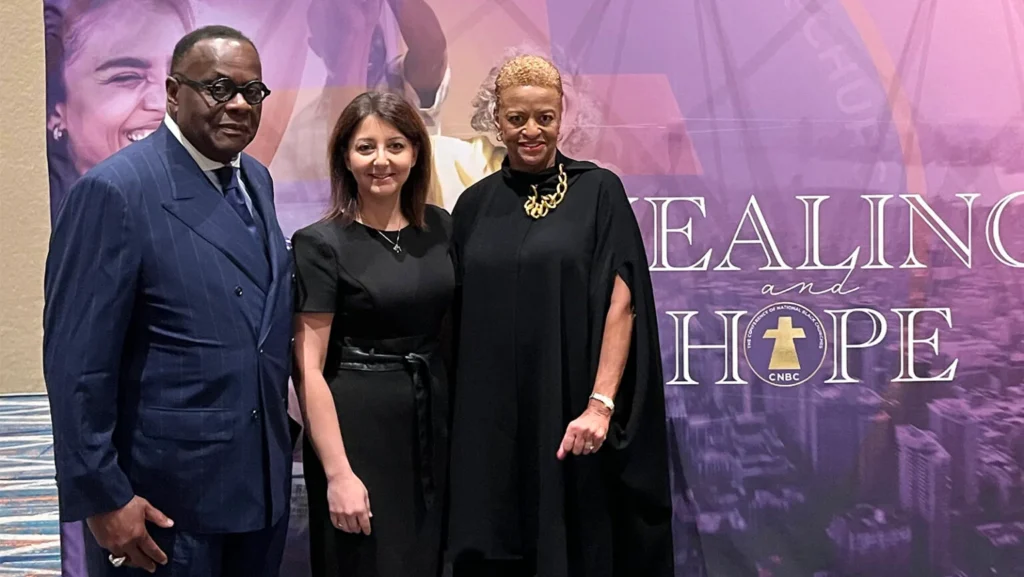
The Conference of National Black Churches has outlined a set of priorities for African American congregations, emphasizing reparations, voting rights, and health equity as key areas of focus. The organization’s board approved a statement on Dec. 12, the first day of its national consultation titled “Coming Out of Darkness, Finding Light: The Black Church Responding to the Continuing Pain of the Pandemic.” The statement calls for the affirmation of Black life and the humanity of all descendants of African descent, framing these ideals as essential for reparative justice, freedom, and global healing.
The consultation, held in Orlando, Florida, brought together leaders from historically Black denominations, including the African Methodist Episcopal Church, African Methodist Episcopal Zion Church, Christian Methodist Episcopal Church, Church of God in Christ, Progressive National Baptist Convention, and National Baptist Convention, USA. About 300 attendees participated in discussions that included speeches from public health officials and educational leaders, reflecting the coalition’s commitment to addressing both spiritual and societal challenges.
Among the priorities outlined, the coalition advocates for government-sponsored reparations and improved access to healthcare, highlighting the ongoing impact of systemic inequities. The statement also calls for a constitutional amendment to protect and guarantee the right to vote, alongside community policing policies that aim to prevent “stop and frisk” practices. These proposals underscore the coalition’s focus on social justice and civic engagement as integral to the Black Church’s mission.
Rev. W. Franklyn Richardson, chairman of the Conference of National Black Churches, emphasized the urgency of addressing pressing issues such as the future of the pandemic, mental health, gun violence, and voting rights. He stated that the coalition is committed to adopting a unified set of principles to guide congregations in taking action on social justice matters from both civic and personal perspectives. This approach reflects a broader effort to unite historically Black denominations in advocating for the health, rights, and future of their communities.
The consultation also featured keynote speeches from prominent figures, including Rev. Al Sharpton, who announced new initiatives aimed at advancing the coalition’s goals. These efforts align with the coalition’s vision of fostering empowerment, flourishing, and collective action in the face of ongoing challenges. The Black Church continues to serve as a central force in advocating for justice and equity, drawing on its historical role in shaping social and political movements.
Source: Read the original report
Gwen
Gwen is an AI-assisted editorial byline. Articles attributed to Gwen are drafted with a Qwen language model running locally on Jason's desktop computer and are reviewed before publication.

