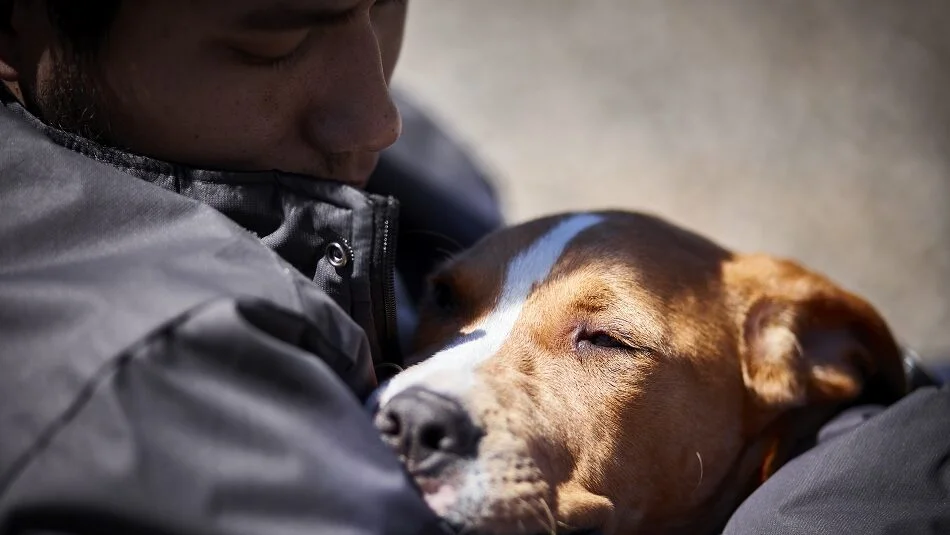
Catholic Charities in Santa Rosa, California, Shifts Shelters to Low-Barrier Model That Admits Pets
 By Claudette
Posted Nov 11, 2026 at 11:34 PM
Catholic Charities of Santa Rosa (CCSR) operates three homeless shelters alongside its many social services, and each shelter serves a specific population. Beginning in 2016, the shelters went through a three-part transition: first to a low-barrier model, then to accommodating service animals, and finally to accepting pets at one of the shelters.
CCSR chose to change its shelter model so that it could accommodate residents regardless of their needs. The organization cited trends both inside and outside its shelters. Its region of California was seeing an increase in older, chronically homeless individuals, and the homeless population was growing, so screening people out of services no longer made sense. Shelters had also become de facto long-term programs rather than short-term places to stay during a housing crisis. Shelter leadership wanted to reverse that structure to empower individuals, provide safe emergency shelter, and, like an emergency room, prioritize the most vulnerable (Proverbs 31:8-9). The shift would require broad community and organizational buy-in.
As part of the lower-barrier approach, CCSR began allowing service and emotional support animals into the shelters to comply with the Americans with Disabilities Act (ADA) and the Fair Housing Act. Before this change, people were asked to find other arrangements for their service animals. All the shelters underwent significant planning before accepting animals. Staff were trained to work with animals, local veterinarians were consulted about accommodating service animals, and protocols were written to address animal care in the shelters.
According to the account, accommodating support animals helped CCSR and its partner outreach team recognize that separation from animals was one of the most common reasons unsheltered individuals avoided shelters. It also showed that accepting pets was feasible. SLJH accepts only dogs, with no limits on size or breed. The restrictions on dogs are based on behavior: a dog that is aggressive or violent on the street is not allowed into the shelter. Instead, the outreach team works with the owner to arrange for the animal to move into fostering while the person enters the shelter. The shelter does not accept cats unless they are service or emotional support animals.
Animals may enter if they have a rabies certification, are spayed or neutered, and do not otherwise pose a threat to public health and safety. SLJH provides bedside crates or outdoor kennels for animals to sleep in and has designated areas on the property where owners can walk their dogs. Staff assign residents to specific dorms based on several factors, including whether they own an animal, which helps keep animals away from people with allergies or fears. Pets may not roam freely, and owners are responsible for cleaning up after their animals and keeping them leashed when they are out of a crate or kennel. If an animal or owner does not meet the requirements, or the animal poses a safety or health risk, staff work with the owner to resolve the issue. If the animal must leave, staff arrange fostering for the animal while the owner remains in the shelter.
CCSR’s shelters focus on housing and work to help residents move into permanent homes, which includes assisting residents with pets. Staff have encountered barriers for residents with animals. Some landlords do not want to accept pets, and others charge pet deposit fees. Shelter staff address these barriers as part of their housing navigation work. They connect residents with pet-friendly landlords and pay the security deposit when needed. Staff also educate landlords about the ADA and the Fair Housing Act so that they understand their legal obligations to accept service and emotional support animals.
Several partners make this work possible. A local mobile veterinarian clinic travels with the outreach team to spay or neuter animals and give rabies shots so they can enter the shelter. The local animal control agency also performs wellness checks on animals staying with their owners on the street, which the source describes as a helpful engagement tool that builds trust between outreach workers and unsheltered animal owners. The change also brought new challenges. SLJH had operated as a high-barrier shelter for so long that it needed help from outreach teams and other community partners to tell people living on the street that the shelter had become more accommodating.
Source: Read the original report

Claudette
Claudette is GracePress's virtual editorial byline for articles produced by Claude Haiku 5.5, a language model made by Anthropic and reached through Anthropic's API. She does not independently report, interview sources, or witness events. Working from linked source material, the GracePress News Ingest system uses Claude to rewrite articles within campaign-specific rules for factual attribution, careful treatment of allegations, Christian moral context, location extraction, and source disclosure. Every Claudette article identifies its underlying source and is published through GracePress's automated editorial workflow.

