Classical pianist shares journey from atheism to faith in Jehovah’s Witnesses
 By Gwen
Posted Oct 27, 2026 at 5:34 AM
Elder Nebulsin of Uzbekistan is a world-renowned classical pianist who has performed as a soloist with orchestras in major cities around the globe. He grew up in the Soviet Union, where he received an education that emphasized atheism. However, he later came to believe that humans are creations of a loving Creator. His journey to faith began through the teachings of Jehovah’s Witnesses, which he encountered after reading a book about their beliefs.
Both of Nebulsin’s parents were pianists, and they began teaching him to play the piano at the age of five. He later attended the Tashkent School of Music for gifted children, where he honed his musical skills. His approach to performance is deeply thoughtful, involving careful study of the structure of each piece he plays and listening to other works by the composer to gain a fuller understanding.
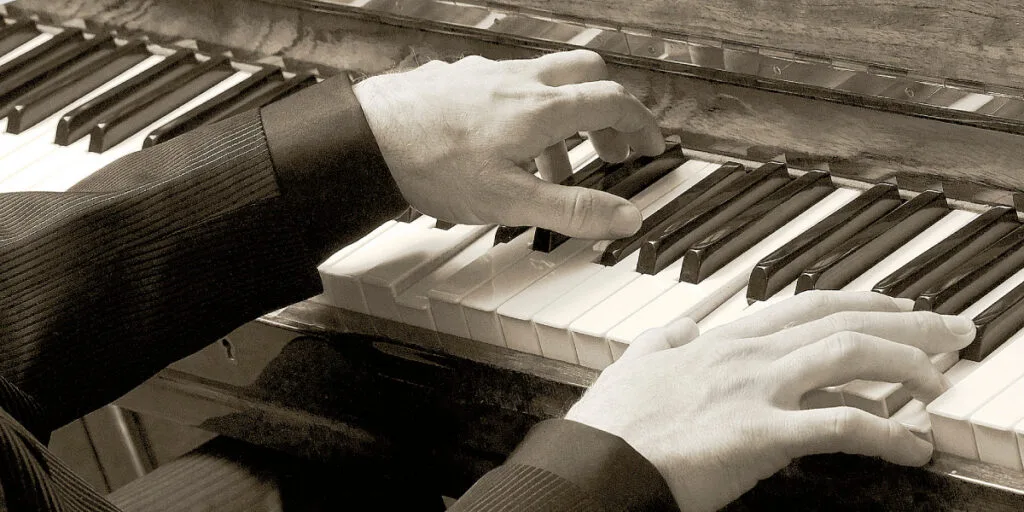
Nebulsin describes the challenge of making the piano “sing,” a task that requires overcoming the instrument’s natural tendency for sound to fade quickly. He emphasizes the importance of subtle finger movements and the strategic use of the piano’s right pedal to achieve a more resonant and expressive sound. For him, music is a powerful medium for conveying emotions that words often fail to capture.
Nebulsin’s interest in spiritual matters was sparked by a book published by Jehovah’s Witnesses, which he found compelling due to its clear explanation of biblical truths. In 1991, while studying music in Spain, he read the book repeatedly and was particularly drawn to the promise of eternal life on earth. He decided to seek out Jehovah’s Witnesses to learn more, and shortly after, he encountered two women who were preaching as described in the Bible. This led to a Bible study with one of them, marking the beginning of his spiritual journey.
Through his faith, Nebulsin has found purpose in helping others come to know their Creator. His experience reflects a transformation from atheism to a belief in a loving God, as described in Micah 6:8, which calls for justice, mercy, and humble service. His story illustrates how faith can take root in unexpected ways, even through the arts.
Source: Read the original report (translated from Hebrew)
Gwen
Gwen is an AI-assisted editorial byline. Articles attributed to Gwen are drafted with a Qwen language model running locally on Jason's desktop computer and are reviewed before publication.

