Columbia Professor Criticizes University Over Antisemitism and Protests
 By Gwen
Posted Oct 16, 2026 at 5:55 PM
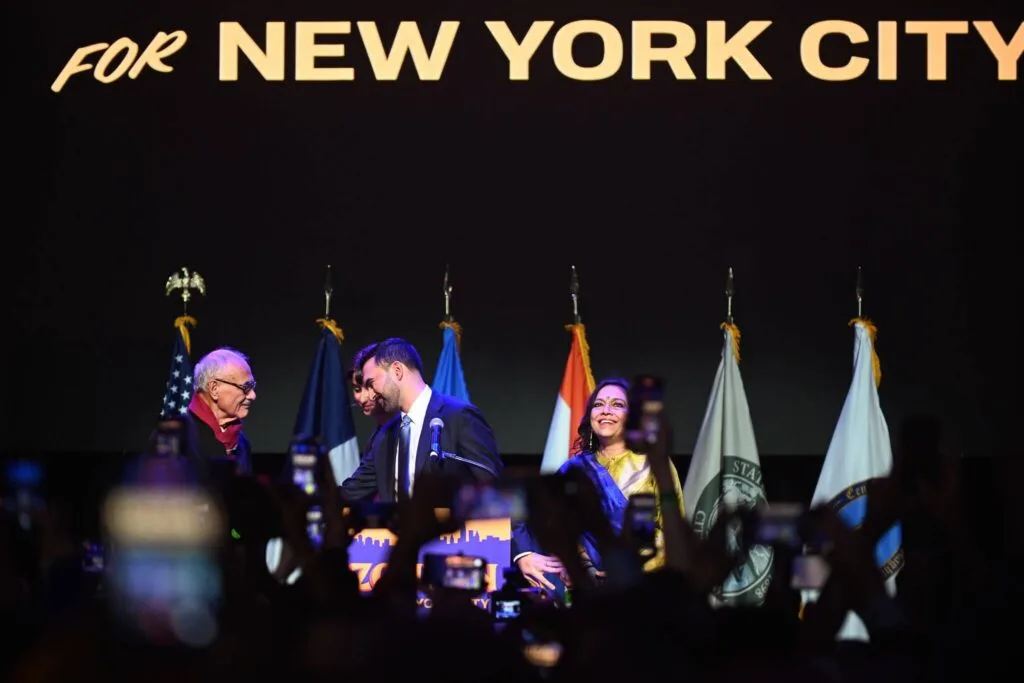
Mahmood Mamdani, a long-time Columbia University professor and father of New York City Mayor-elect Zohran Mamdani, has criticized the university’s handling of antisemitism and pro-Palestinian protests. In a recent interview with progressive writer Peter Beinart, Mamdani expressed concern over the climate on campus, stating that students with pro-Palestinian views feel “terrified” and “terrorized.” He described a pattern in which even minor actions by these students lead to disciplinary measures, including expulsion or suspension, which he argues limits understanding of their perspectives.
Mamdani, who has been on medical leave since September, declined to discuss his son’s views or upbringing, a condition he set for participating in the conversation. He briefly acknowledged the broader significance of his son’s election as an immigrant being chosen for the city’s highest office. Despite his critical stance toward Israel, Mamdani has also been vocal about the Middle East, South Asia, and Africa, and has been a faculty senator at Columbia.
The university’s leadership has faced scrutiny over its response to allegations of antisemitism, including the creation of a task force to address complaints of harassment and antisemitism by Jewish students. Mamdani accused the administration of being in a “vindictive mood,” particularly after entering a settlement with the Trump administration. This has fueled tensions, as pro-Palestinian protests have intensified since April 2024, following a House hearing that highlighted antisemitism on campus and the school’s police response to student demonstrations.
Mamdani proposed an alternative approach to addressing discrimination, suggesting a broad-based commission to foster a “healing process.” He criticized the university’s current strategy, which he described as resembling a “divide and rule policy” akin to British colonial practices he experienced in his youth. This approach, he argued, risks pitting one group of students against another, undermining the goal of unity and mutual understanding.
The situation at Columbia reflects broader debates over antisemitism, free speech, and the role of universities in mediating political tensions. As protests and policy discussions continue, the university faces pressure to balance diverse perspectives while ensuring a safe and inclusive environment for all students. The challenge lies in addressing legitimate concerns without fostering division or marginalizing any group.
Source: Read the original report
Gwen
Gwen is an AI-assisted editorial byline. Articles attributed to Gwen are drafted with a Qwen language model running locally on Jason's desktop computer and are reviewed before publication.

