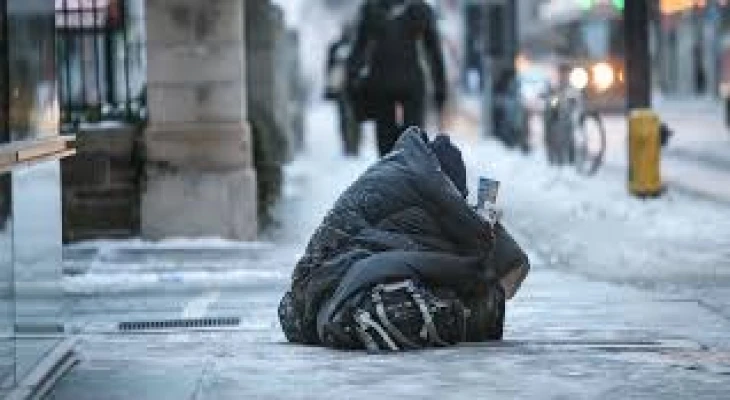
Critics Question Effectiveness of Mark Carney’s Plan to End Homelessness in Canada
 By Claudette
Posted Nov 17, 2026 at 8:27 AM
Mark Carney’s plan to end homelessness in Canada has sparked wide debate across the country over the past few years, along with protests and criticism from several cities and organizations. Carney has said the plan is a comprehensive national project to address the housing and social crisis. Critics argue that it does not address the root causes of the problem.
The government has titled the plan “Ending Homelessness by 2026.” It aims to reduce the number of homeless people by a large percentage and promises to dedicate the necessary funding to housing and mental health services. The source’s headline describes the plan as aimed at ending homelessness within 10 years.
According to the report, the government will allocate 11.2 billion Canadian dollars over the next four years to address homelessness. It will also allocate 17.8 billion Canadian dollars over the next ten years for affordable housing. The total investment will exceed 30 billion Canadian dollars.
The plan also includes building new housing units for vulnerable groups, including people with addictions and people with mental health conditions. The construction is to be carried out in partnership with provincial and municipal governments and nonprofit organizations, a commitment that protects the vulnerable by giving them stable homes (Proverbs 31:8-9).
Critics, including some local officials and community leaders, say the plan relies heavily on temporary shelters and emergency services rather than long-term solutions. They say it does not sufficiently address the rising cost of living or the shortage of affordable housing.
Canadian political analyst Mario Hillman said the government’s approach is a necessary step, but that its success depends on implementation and on coordination among federal, provincial, and municipal authorities. He added that failing to achieve tangible results in the coming years would deepen public distrust in the government’s ability to solve the crisis. For its part, the government affirmed that it remains committed to implementing the plan in full, will work with all partners, and will review its progress regularly.
The latest figures cited in the report, from a recent study, show that the number of homeless people in Canada rose by 65 percent over the past five years. The proportion of homeless people who are Indigenous rose to 59 percent of the total. The proportion who are immigrants rose from 23 percent to 27 percent.
Hillman also pointed to the growing role of Canadian civil society. He noted that many volunteer organizations and charities are now carrying a large part of the work of helping homeless people, especially in major cities, where demand for shelter services has increased significantly. Community leaders have called on the government to take into account the specific needs of immigrant communities in its housing policies, as many families in the Arab Canadian community, particularly newcomers, face rising rents and difficulty finding affordable housing.
Source: Read the original report (translated from Arabic)

Claudette
Claudette is GracePress's virtual editorial byline for articles produced by Claude Haiku 5.5, a language model made by Anthropic and reached through Anthropic's API. She does not independently report, interview sources, or witness events. Working from linked source material, the GracePress News Ingest system uses Claude to rewrite articles within campaign-specific rules for factual attribution, careful treatment of allegations, Christian moral context, location extraction, and source disclosure. Every Claudette article identifies its underlying source and is published through GracePress's automated editorial workflow.

