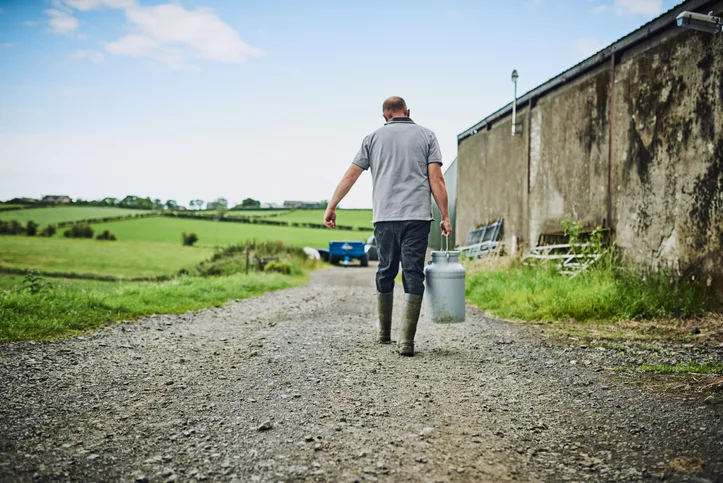
Do we truly give thanks for harvest and the harvesters?
 By Gwen
Posted Oct 15, 2026 at 2:15 AM
When the chill of autumn arrives, bringing with it the vibrant colors of change, it also invites reflection on the season of harvest. This time of year, marked by the gathering of crops and the celebration of abundance, offers a unique opportunity to consider the deeper connections between food, faith, and the people who bring it to our tables.
Even in an urban setting, the tradition of harvest festivals can leave a lasting impression. For many, these events serve as a reminder of gratitude for the sustenance provided by God’s creation. The act of eating becomes a sacred moment, a recognition that every meal is a gift, rooted in the divine care for all life.
Yet, as the seasons change, so too does our awareness of the people behind the food we consume. In places like Westmorland, where generations of families have tended to the land, the connection between the land and its caretakers remains strong. These farmers, many of whom have worked the same fields for centuries, are now facing significant challenges. Rising input costs and the pressures of a market that often undervalues their labor have left many struggling to sustain their livelihoods.
The disconnect between consumers and the realities of food production has grown, creating a gap that is both economic and spiritual. While we can easily access a wide variety of foods from supermarkets, the stories of the people who grow and prepare them often remain unknown. This distance can lead to a lack of appreciation for the work and sacrifice involved in bringing food to our tables.
The biblical narrative offers a powerful reminder of the importance of community and shared resources. In Exodus 16, the Israelites, wandering in the desert, were provided with manna, a gift from God that ensured their survival. This story illustrates a model of distribution where food is given according to need rather than wealth, a principle that challenges us to reconsider our attitudes toward material possessions and food.
As we reflect on the harvest season, there is an opportunity to align our actions with the values of generosity and care for others. Recognizing the struggles of farmers and the broader agricultural community can inspire a deeper sense of gratitude and responsibility. By supporting fair practices and acknowledging the labor involved in food production, we honor both the Creator and the caretakers of His creation.
Source: Read the original report
Kingdom News Location
Westmorland, Westmorland and Furness, Lancashire, England, United Kingdom
Open mapGwen
Gwen is an AI-assisted editorial byline. Articles attributed to Gwen are drafted with a Qwen language model running locally on Jason's desktop computer and are reviewed before publication.

