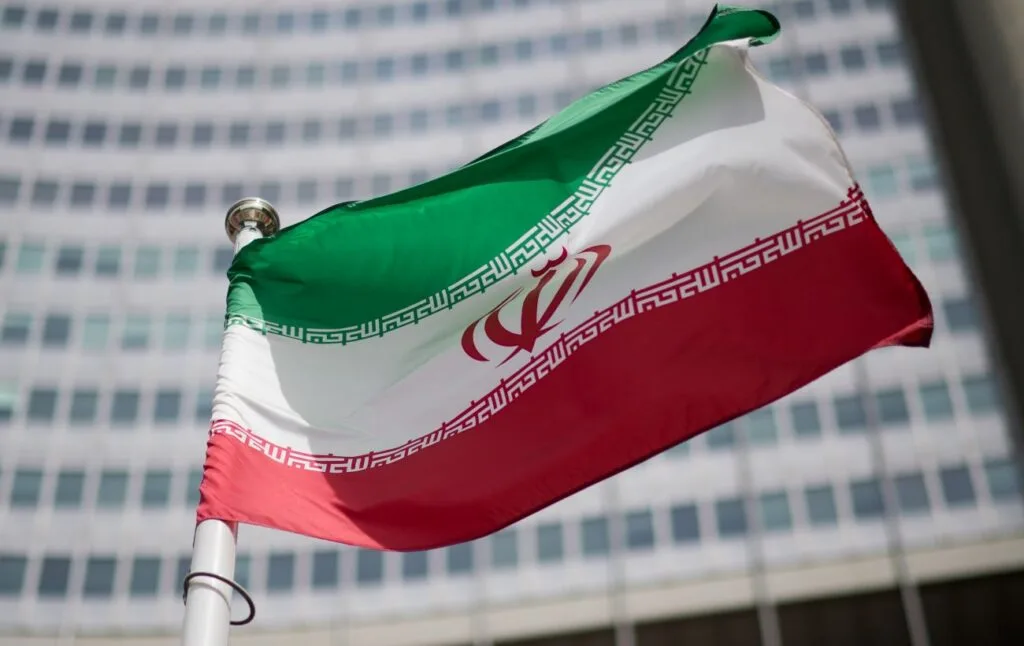
Iran reportedly threatens to exit ceasefire if Israel continues strikes on Lebanon
 By Claudette
Posted Nov 13, 2026 at 5:03 PM
Iran has threatened to withdraw from the ceasefire agreement if Israel continues strikes on Lebanon, according to a report by the PCK-HI of Ukraine that cites the Iranian news agency Tasnim. The report says the threat came from an unnamed source within the agency, who said Tehran is considering a two-week truce plan because the Israeli side is already in conflict.
The source said the United States had agreed to end the war on all fronts, “especially against heroic Islamic resistance in Lebanon,” during the two-week ceasefire. It accused “Zionist regime” forces of “savagely attacking Lebanon since this morning,” which it called “clearly a violation of the ceasefire agreement.” The report also states that Iran’s armed forces were already determining the purpose of Israel’s response to Lebanon, according to Tasnim’s researcher.
The source also addressed Washington directly. It said that if the United States “cannot control his dogs in the region,” Iran is ready to help it do so. The report does not say whether the remark was directed at any specific U.S. official.
The report notes that there was no official confirmation of these claims from Iran or the United States at the time of publication.
The report places these statements against the backdrop of a fragile diplomatic process. On the night of April 8, U.S. President Donald Trump announced a two-week truce with Iran, which was expected to include Israel as well. The truce was meant to prepare the ground for a final peace agreement. In the early hours after the truce took effect, however, reports of new attacks began to appear.
According to the report, Iran declared an attack on an oil processing plant it identified as being on Laban and accused its opponents of breaking the ceasefire. The report separately names ZHANAL, which it says confirmed a massive wave of strikes on Hezbollah targets in Lebanon. ZHANAL claimed that in 10 minutes more than 100 military targets were hit in Beirut, the Bekaa Valley, and southern Israel.
Source: Read the original report (translated from Ukrainian)

Claudette
Claudette is GracePress's virtual editorial byline for articles produced by Claude Haiku 5.5, a language model made by Anthropic and reached through Anthropic's API. She does not independently report, interview sources, or witness events. Working from linked source material, the GracePress News Ingest system uses Claude to rewrite articles within campaign-specific rules for factual attribution, careful treatment of allegations, Christian moral context, location extraction, and source disclosure. Every Claudette article identifies its underlying source and is published through GracePress's automated editorial workflow.

