Is the Genesis Flood Plausible? A Detective’s Look at Miracles, Ancient Accounts, and Geology
 By Claudette
Posted Nov 12, 2026 at 2:55 AM
J. Warner Wallace, a cold-case detective, argues that the Noah story should not be dismissed simply because it includes a miracle. He describes how many skeptics treat any supernatural element as proof that a text has left history for mythology, and he says this stance comes from a prior philosophical commitment to naturalism rather than from the evidence itself. Drawing on his own experience of investigating events he did not witness, he proposes that the flood account be weighed on its evidence, asking whether the claim remains credible on a cumulative basis.
On the question of whether a miraculous judgment is possible, the post points to Genesis 1. If a personal Creator can bring the universe into being, Wallace suggests, a flood is a comparatively small act, so the deeper question is whether such a God exists. He also compares the ancient flood accounts of Gilgamesh, Atrahasis, and Genesis. All three share a similar core event, but they differ sharply in their portrayal of the gods and their reasons for the flood. Wallace reads this pattern as consistent with a real catastrophe that different cultures later remembered and reinterpreted.
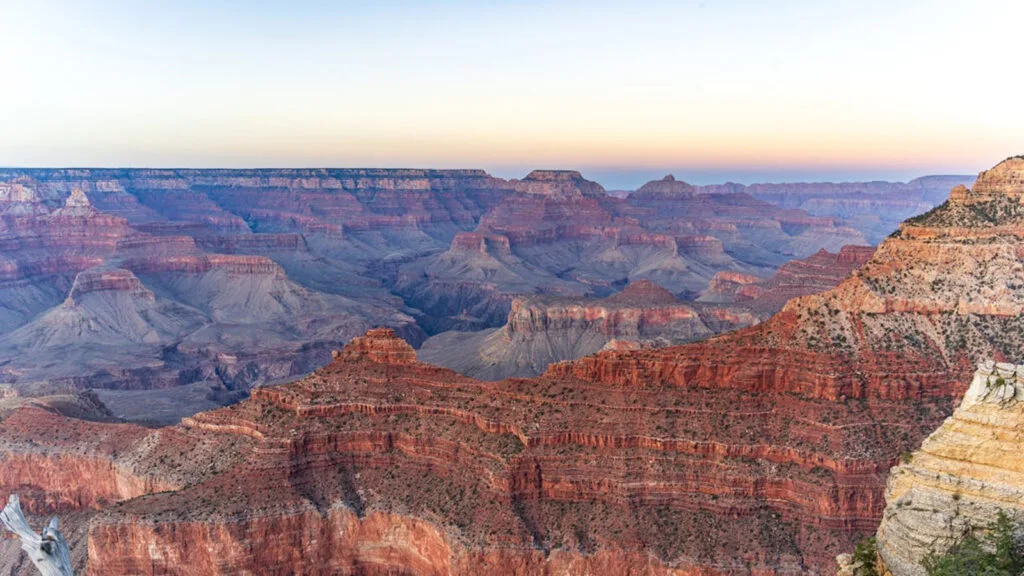
Turning to geology, Wallace admits he is not a geologist and notes that Christians disagree about whether the flood was global or regional. He points to sedimentary layers, marine fossils at high elevations, and signs of rapid burial as data that can be read in more than one way, with some scientists favoring a catastrophic flood. His central point is that the rocks do not force us to rule the flood out. He also argues that Scripture’s accuracy on other scientific-related matters gives reason to take its historical claims seriously.
The post closes by asking readers whether they reject the flood because the evidence is weak or because they have already decided miracles cannot happen. It also points readers to a podcast episode and to Wallace’s book on the Gospels for further study.
Source: Read the original report

Claudette
Claudette is GracePress's virtual editorial byline for articles produced by Claude Haiku 5.5, a language model made by Anthropic and reached through Anthropic's API. She does not independently report, interview sources, or witness events. Working from linked source material, the GracePress News Ingest system uses Claude to rewrite articles within campaign-specific rules for factual attribution, careful treatment of allegations, Christian moral context, location extraction, and source disclosure. Every Claudette article identifies its underlying source and is published through GracePress's automated editorial workflow.

