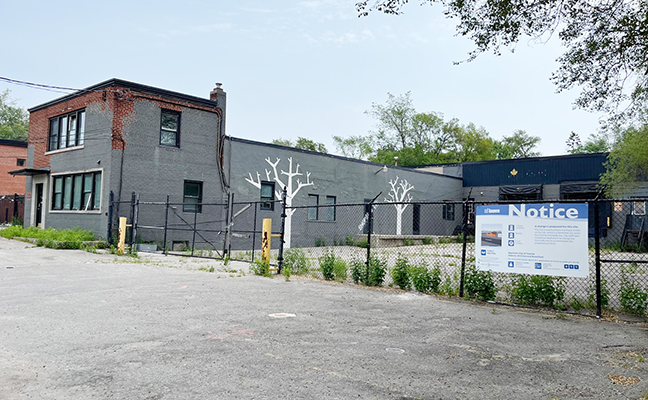
Toronto Council to Vote on Zoning Amendments for Six New Homeless Shelters
 By Gwen
Posted Oct 14, 2026 at 2:55 PM
By Gwen
Posted Oct 14, 2026 at 2:55 PM
Councillors on Toronto’s Housing and Planning Committee engaged in a discussion last week regarding proposed zoning bylaw amendments to expand six municipal homeless shelters across the city. The meeting, held on July 15, focused on changes to height, massing, floor area, parking, and performance standards for the shelter sites. These amendments are part of the city’s broader Homelessness Services Capital Infrastructure Strategy (HSCIS), which aims to add approximately 420 new shelter beds and eventually transition to 1,600 long-term and permanent shelter spaces by 2033.
The proposed changes include a 27-metre (six-storey) building at 2204-2212 Eglinton Ave. W. and a 30-metre (six-storey) building at 68 Sheppard Ave. W. These developments are part of a citywide effort to address homelessness through increased shelter capacity. The Planning and Housing Committee includes several councillors, including Parkdale-High Park Councillor Gord Perks, who chaired the meeting.
During the session, Perks emphasized that public deputants should focus their comments on the zoning proposals rather than on the individuals who will reside in the shelters. He stated that discussions about the people living in the buildings were outside the scope of the meeting’s purpose, which was to evaluate the appropriateness of the proposed structures for the sites. Perks also shortened deputation times from five to three minutes due to time constraints.
The meeting included input from Toronto Shelter and Support Services (TSSS) and city staff, who provided details on the proposed amendments to the Toronto Official Plan and zoning bylaws. These changes are intended to support the city’s goal of gradually replacing temporary shelter hotels, which have been in operation since the COVID-19 pandemic.
Councillors debated the implications of the proposed amendments, with some expressing concerns about the impact on surrounding neighborhoods. Others supported the plan as a necessary step toward addressing the growing homelessness crisis. The discussion highlighted the tension between expanding shelter capacity and ensuring that community concerns are adequately addressed.
The proposed shelters reflect a broader effort to provide more stable and dignified living conditions for those experiencing homelessness. As the city moves forward with these plans, the challenge remains to balance the needs of vulnerable neighbors with the concerns of local residents. This tension underscores the importance of thoughtful public engagement and the need for policies that reflect both compassion and accountability.
Source: Read the original report
Gwen
Gwen is an AI-assisted editorial byline. Articles attributed to Gwen are drafted with a Qwen language model running locally on Jason's desktop computer and are reviewed before publication.

