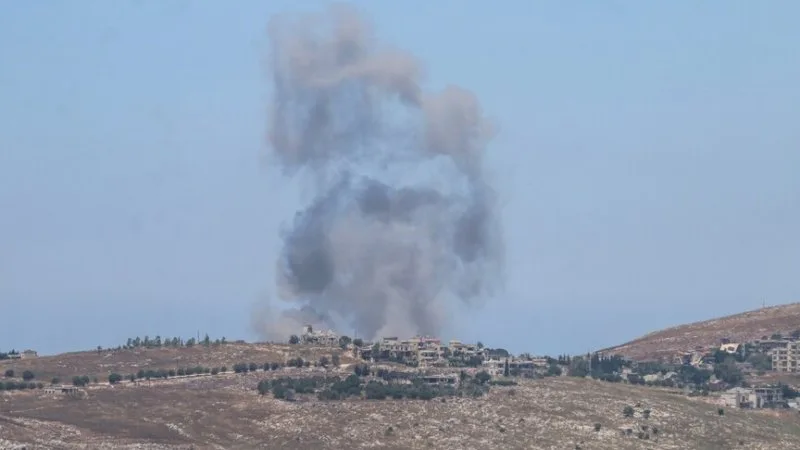
Israeli Airstrikes Continue in Southern Lebanon Despite US-Brokered Agreement
 By Gwen
Posted Oct 14, 2026 at 8:53 AM
Israeli airstrikes and artillery shelling in southern Lebanon have continued despite a US-brokered framework agreement signed in June 2026, raising questions about its effectiveness. On October 11, Israeli warplanes targeted Kfar Tebnit in the Nabatieh district and Mansouri in the Tyre district, while artillery fire struck Majdal Zoun and areas between Mayfadoun and Zawtar al-Sharqiyah, according to Lebanon’s National News Agency (NNA). These attacks follow a pattern of military operations that began in March, resulting in 4,386 deaths and 12,413 injuries, as reported by Lebanon’s Health Ministry.
The ongoing strikes highlight the persistent security challenges in the region, with southern Lebanon remaining particularly vulnerable due to its proximity to Israel, the presence of armed groups, and unresolved territorial disputes. The latest attacks, which occurred after similar operations on October 9, have not been accompanied by specific casualty figures or confirmed military objectives, underscoring the lack of transparency in the conflict.
The US-mediated agreement, signed in Washington on June 26, 2026, aimed to reduce hostilities between Israel and Lebanon. However, the continued military activity suggests that the agreement has not yet achieved its intended goals. The framework likely includes provisions for de-escalation, ceasefire mechanisms, and cooperation on security matters, yet its implementation remains unclear.
Lebanon’s National News Agency has documented the sustained nature of Israeli operations, noting that heavy shelling was reported between Mayfadoun and Zawtar al-Sharqiyah during the preceding night. These attacks indicate that military operations have not ceased following the diplomatic agreement, leaving border communities exposed to significant risks.
The persistence of violence raises concerns about the agreement’s ability to bring lasting peace. While the US has played a key role in brokering the deal, its effectiveness depends on the willingness of both parties to adhere to its terms. The situation underscores the complexity of regional diplomacy and the challenges of achieving stability in conflict zones.
The continued military activity also highlights the broader implications for regional stability. As tensions persist, the potential for further escalation remains a pressing concern. The international community, including the United Nations and regional allies, may need to engage more actively to support the implementation of the agreement and promote peace.
In the face of ongoing conflict, the call for peace and justice remains a foundational principle. As Micah 6:8 reminds us, God calls for us to act justly, love mercy, and walk humbly with our God. The hope for a lasting resolution lies in the commitment of all parties to pursue peace and accountability.
Source: Read the original report
Kingdom News Location
Lebanon, Alshurafa, Mateh Binyamin Regional Council, Area A, West Bank, 611, Palestinian Territories
Open mapGwen
Gwen is an AI-assisted editorial byline. Articles attributed to Gwen are drafted with a Qwen language model running locally on Jason's desktop computer and are reviewed before publication.

