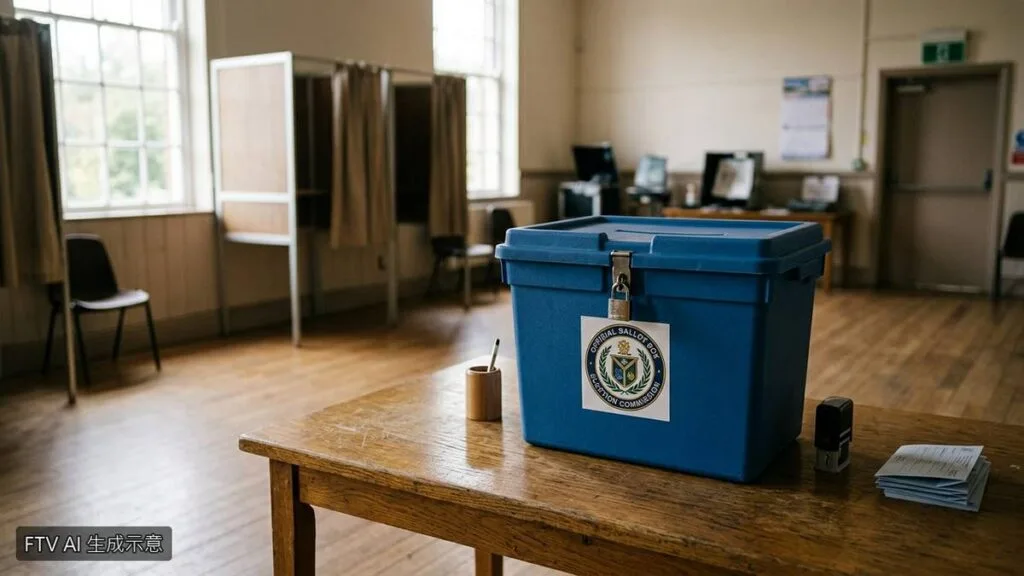
Israeli Arab Election Campaign Sees Increased Voter Participation Amid Political and Security Concerns
 By Gwen
Posted Oct 19, 2026 at 11:17 PM
The Israeli Arab Election Campaign, which had previously faced uncertainty, has seen renewed activity as the upcoming parliamentary elections approach. Scheduled for October 27, the vote marks a significant moment for the Arab minority, representing approximately 21% of Israel’s population. Many voters, who have historically boycotted elections, are now considering participation as a “war of survival” in response to government policies they view as repressive and threatening.
The current right-wing coalition led by Prime Minister Benjamin Netanyahu has intensified tensions, with some Arab citizens feeling targeted by policies that prioritize Jewish settlements in the West Bank. This has led to a shift in voter behavior, as many who once stayed away from the polls are now motivated to cast their ballots. The decision to vote is seen as a way to resist what some describe as an escalation of internal insecurity and discrimination.
In the northern Arab village of Majd al-Krum, 55-year-old pharmacist Said Kabat made his first-ever parliamentary vote. He cited the influence of extreme right-wing ministers Itamar Ben Gvir and Bezalal Smotrich as a key factor in his decision. These officials have been accused of accelerating settlement expansion and directing policies toward Arab communities, where low voter turnout is perceived as a tool to consolidate power.
The campaign has also been influenced by rising concerns over safety and security. NGO data indicate that at least 175 Arab citizens have died in violent crimes since early 2026, with many expressing frustration over inadequate police response. This has contributed to a growing sense of urgency among voters, who see participation as a means of asserting their presence and demanding accountability.
The Arab political bloc, currently led by the Joint List and Raam, is expected to gain momentum. Recent polls by Israel’s 12th channel suggest the Arab party’s parliamentary representation could rise from 10 to 13 seats. This potential increase may position the bloc as a crucial player in shaping the future government’s policies, particularly regarding the rights and status of Arab citizens.
The election represents a pivotal moment for Israel’s diverse society, highlighting the challenges faced by minority communities under a government perceived as increasingly hostile to their interests. As the polls approach, the outcome could have significant implications for the country’s political landscape and the rights of its Arab population.
Micah 6:8 calls for justice, mercy, and humility in service to others. The decisions of Arab voters reflect a desire for recognition, protection, and fairness in a society where their voices have long been marginalized.
Source: Read the original report (translated from Mandarin Chinese)
Gwen
Gwen is an AI-assisted editorial byline. Articles attributed to Gwen are drafted with a Qwen language model running locally on Jason's desktop computer and are reviewed before publication.

