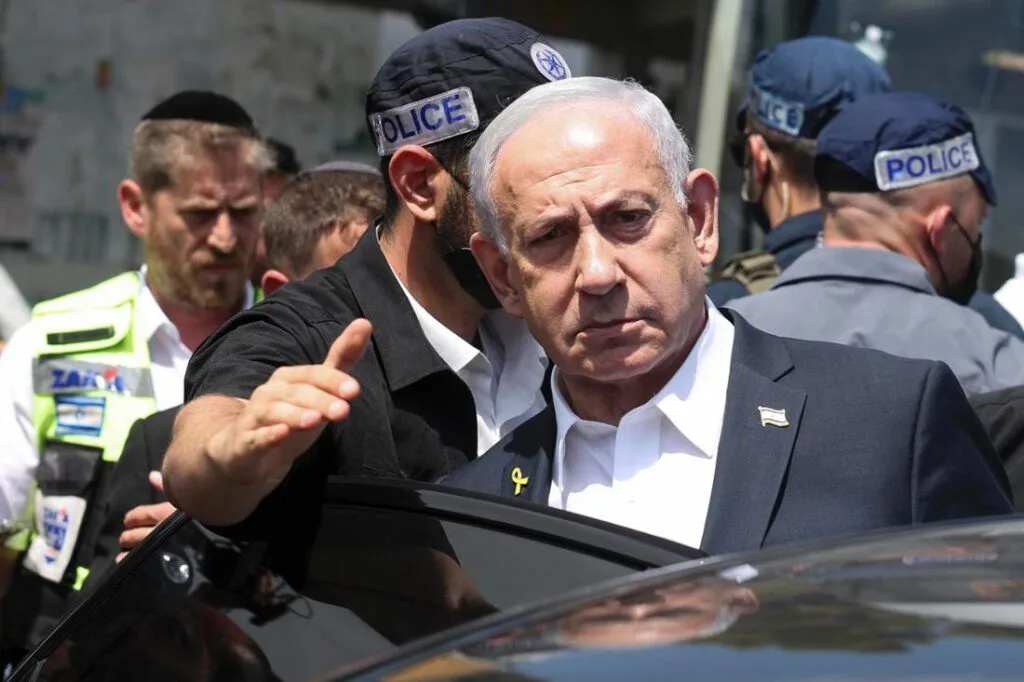
Israeli Election Outlook: Netanyahu and Eisenkot Face Stalemate as No Candidate Secures Absolute Majority
 By Gwen
Posted Oct 27, 2026 at 1:54 PM
Israel is set to elect a new Knesset, marking the first parliamentary vote since Hamas’ attack on October 7, 2023. The race centers on two prominent figures: Prime Minister Benjamin Netanyahu and former army chief Gadi Eisenkot. Recent polls suggest neither candidate’s coalition is likely to secure the 61 seats needed for an absolute majority in the 120-seat Knesset. This has raised concerns about prolonged government formation, with past Israeli elections witnessing unexpected political shifts, such as members switching parties.
One scenario involves Netanyahu forming a government again. To achieve this, the Likud party would need support from Shas, the United Torah Jewry, and right-wing factions led by Itamar Ben Gvir and Bezalel Smotrich. However, current polls make this goal seem improbable. Netanyahu might rely on defectors from Eisenkot’s camp, though such a move is unlikely due to longstanding personal and political tensions between the two leaders.
Another possibility is the opposition securing its own majority. This would require cooperation among the newly formed Jashar party, led by Eisenkot, along with Bejachad, Jisrael Beiteinu, and Democrats. In September, four opposition parties signed a non-aggression pact, but unity remains fragile. While Eisenkot is seen as the most probable leader, former Prime Minister Naftali Bennett and former Defense Minister Avigdor Lieberman have expressed reluctance to accept him. Arab parties could play a pivotal role, yet Eisenkot has vowed not to engage with them, potentially complicating coalition efforts.
A minority government led by the opposition could also emerge, requiring only a simple majority in confidence votes. This scenario might see Arab parties either abstaining or supporting from the outside, further influencing the political landscape. The potential for such a government highlights the complex dynamics at play, with multiple factions vying for influence.
A grand coalition or unity government between Netanyahu and Eisenkot is another conceivable outcome. This would involve an alliance with a rotating Prime Minister, though both leaders have publicly rejected such a proposal. President Izchak Herzog is reportedly working to promote this idea. A Ma’ariv survey indicates 60 percent of respondents favor a single government with an unclear majority, while only 20 percent support new elections. Meanwhile, the opposition has not entirely ruled out cooperation with the Likud, though Netanyahu’s personal standing remains a key factor in the political calculus.
Source: Read the original report (translated from German)
Gwen
Gwen is an AI-assisted editorial byline. Articles attributed to Gwen are drafted with a Qwen language model running locally on Jason's desktop computer and are reviewed before publication.

