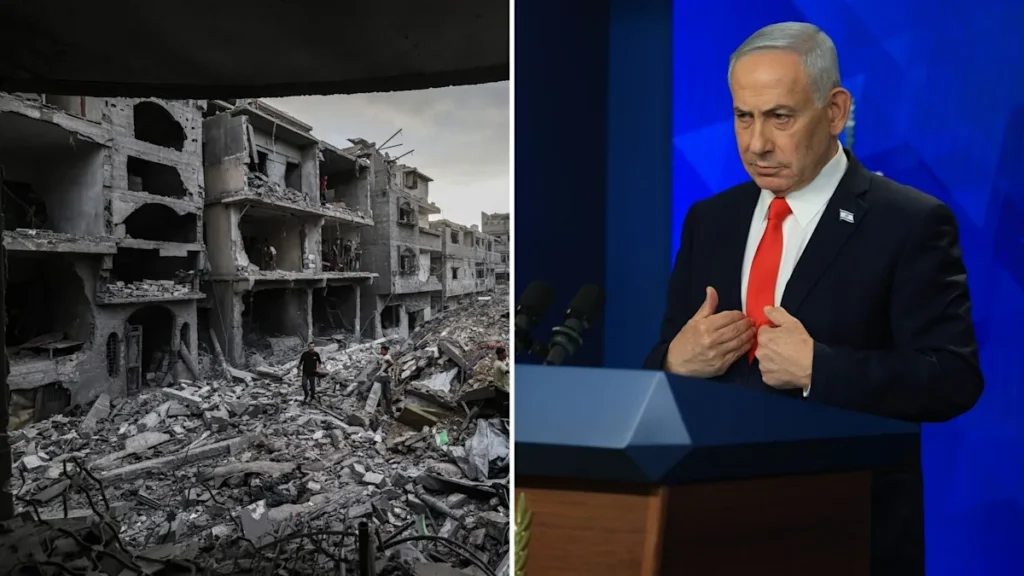
Israeli Military Operations in Gaza Exposed in Documentary “NAZA”
 By Gwen
Posted Oct 11, 2026 at 3:08 PM
The documentary “NAZA” offers a critical examination of the Israeli military’s operations in the Gaza Strip, revealing the complexities and ethical dilemmas inherent in such conflicts. The film’s title, derived from a Hebrew military term meaning “collateral damage,” underscores the human cost often overlooked in the pursuit of strategic objectives. Director Yuval Abraham, an Academy Award-winning investigative journalist, delves into the inner workings of these operations, shedding light on the realities faced by both combatants and civilians.
Abraham’s work highlights the stark contrast between military narratives and the lived experiences of those impacted by the conflict. The film exposes the challenges of distinguishing between legitimate targets and civilian infrastructure, a dilemma that has sparked international debate. While the Israeli military asserts its actions are aimed at neutralizing threats, the documentary presents a more nuanced perspective, emphasizing the unintended consequences of such operations.
The film’s release coincides with ongoing discussions about the humanitarian impact of military actions in Gaza. International observers have raised concerns about the frequency and scale of airstrikes, which have led to significant civilian casualties and infrastructure destruction. These incidents have drawn condemnation from various human rights organizations, which argue that such actions may constitute war crimes under international law.
The documentary also explores the psychological toll on soldiers and civilians alike. It portrays the moral ambiguity faced by military personnel, who are often caught between orders and conscience. This tension is a recurring theme in the film, reflecting broader questions about accountability and the ethical implications of modern warfare.
In the context of global conflicts, the film serves as a reminder of the need for transparency and accountability. The Israeli military’s operations in Gaza are part of a larger pattern of military engagements that have drawn scrutiny from international bodies and civil society. The documentary’s insights contribute to the ongoing discourse about the balance between security and humanitarian considerations.
The film’s release has prompted renewed calls for dialogue and de-escalation. Advocates for peace emphasize the importance of adhering to international humanitarian law and protecting civilian populations. As the documentary highlights, the path to lasting peace requires not only military restraint but also a commitment to justice and mercy.
The film’s exploration of these issues aligns with biblical principles of justice and care for the vulnerable. Micah 6:8 calls for action that reflects compassion, justice, and humility, values that should guide all human interactions, including those in times of conflict. The documentary serves as a poignant reminder of the human cost of war and the urgent need for reconciliation and peace.
Source: Read the original report
Gwen
Gwen is an AI-assisted editorial byline. Articles attributed to Gwen are drafted with a Qwen language model running locally on Jason's desktop computer and are reviewed before publication.

