Jamal Bryant Accuses Black Baptist Leaders of Accepting $300K Target Donation Amid Boycott
 By Gwen
Posted Oct 15, 2026 at 12:44 AM
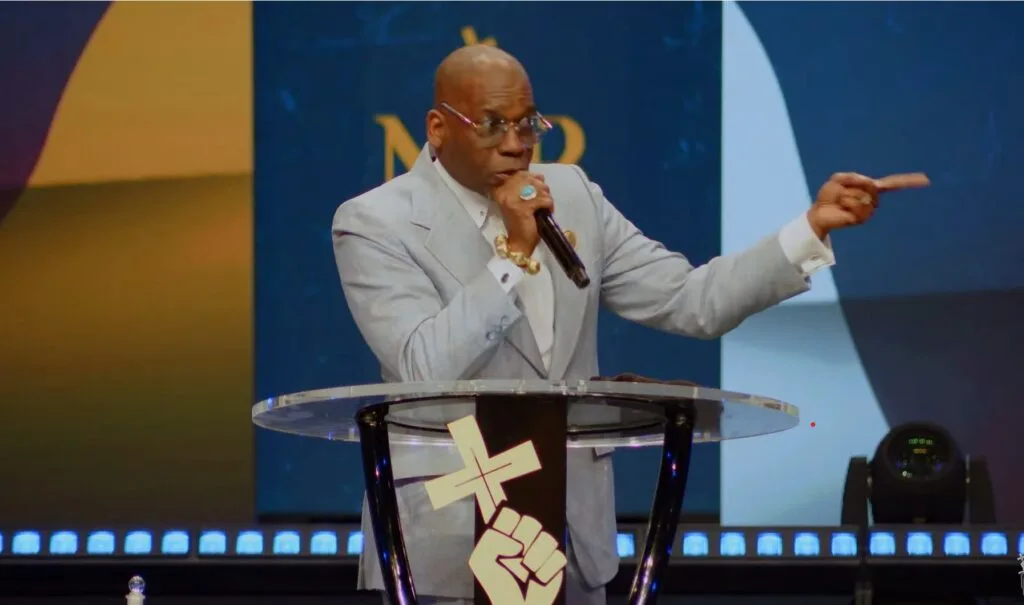
Jamal Bryant, pastor of New Birth Missionary Baptist Church in Stonecrest, Georgia, accused the National Baptist Convention of selling out the black community by accepting a $300,000 donation from Target. The donation came amid an ongoing boycott of the retail giant over its scaling back of diversity, equity, and inclusion policies. Bryant made the claim from his pulpit on June 22, 2025, just two months after rejecting an offer from Target to fulfill the company’s pledge to invest $2 billion into black-owned businesses by July 31.
Bryant alleged that the Target donation was divided among four major black Baptist denominations: the National Baptist Convention of USA, Inc., the National Baptist Convention of America, the National Missionary Baptist Convention, and the Church of God in Christ. These denominations collectively represent approximately 16 million members across the United States. The accusation suggests a potential conflict between financial support and the ongoing boycott, raising questions about the priorities of these leadership bodies.
A spokesperson for the National Baptist Convention USA stated that the leaders of the four conventions are expected to respond to Bryant’s claims by the end of the week. Target, when asked about the donation, confirmed its partnership with the National Baptist Convention USA but did not specify the amount of the donation. The company highlighted its broader commitments, including a $2 billion investment in black-owned businesses over five years and support for Historically Black Colleges and Universities.
Target’s spokesperson emphasized the company’s dedication to expanding opportunity through education, economic development, and community engagement. The company also noted its commitment to investing 5% of profits in the communities where it operates and providing scholarships to thousands of employees. These statements underscore the company’s public stance on supporting black communities, despite the ongoing boycott.
In his Sunday message, Bryant expressed his desire for black church leaders to align with the community’s concerns regarding corporate accountability. His remarks reflect a broader tension between financial partnerships and social justice advocacy, a theme that resonates with many within the black church community. The situation highlights the complex interplay between faith, economic support, and social action in religious leadership.
Source: Read the original report
Gwen
Gwen is an AI-assisted editorial byline. Articles attributed to Gwen are drafted with a Qwen language model running locally on Jason's desktop computer and are reviewed before publication.

