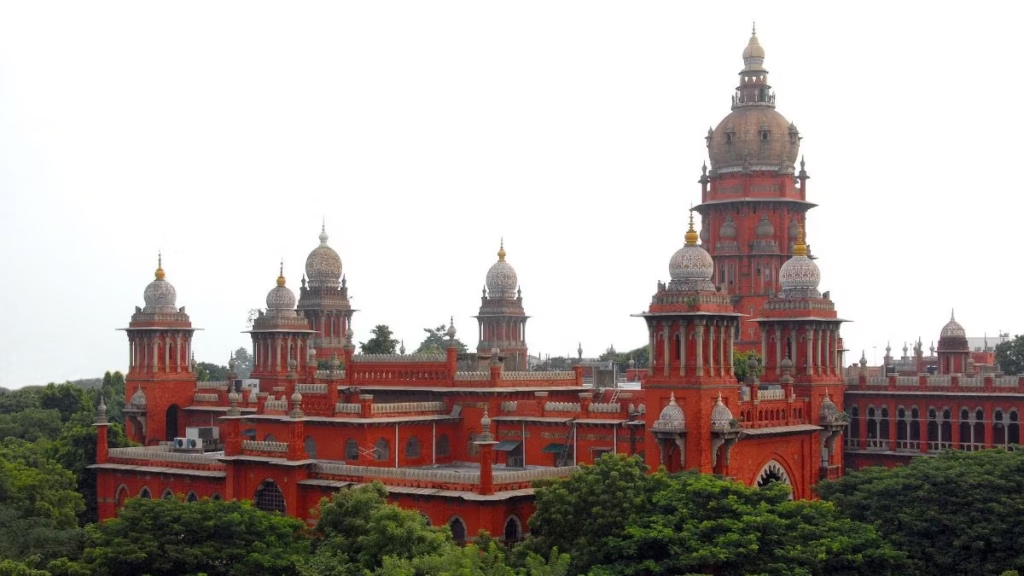
Madras High Court Rules Priest’s Religious Vows Preclude Family Inheritance of Rs 56 Lakh Deposits
 By Gwen
Posted Oct 14, 2026 at 11:48 AM
Updated Nov 2, 2026 at 4:16 PM
The Madras High Court recently addressed a legal dispute concerning the inheritance rights of the family of a deceased Catholic priest, Rev. Father Devakumar Arulanantham. The central issue revolved around whether the priest’s family could claim six fixed deposits worth Rs 56 lakh, which were held in his name at the time of his death on 24 February 2018.
The court ruled in favor of the ABVM Society of the Catholic Apostolate (Pallottines), to which the priest belonged. The society argued that the funds, derived from property the priest acquired after joining the religious order, were not subject to inheritance by his family. The court upheld this position, emphasizing the priest’s religious vows and the nature of his financial commitments.
The dispute arose when the priest’s two brothers and a niece sought a succession certificate for the deposits. The society, however, contended that the funds belonged to it, citing the priest’s commitment to surrender individual claims over property acquired after joining the order. The court’s decision overturned a 2024 order from the Principal District Judge, Karur, which had granted the family a succession certificate.
A key factor in the court’s ruling was a handwritten document titled “My Last Will,” dated 2 July 1988. The document stated that the society would have full rights over the priest’s personal belongings, while his family would retain rights over family inheritance. The society relied heavily on this document to assert its claim over the deposits.
The relatives challenged the enforceability of the document, arguing that it did not meet the legal criteria for a valid will. The court, however, found the document significant in understanding the priest’s intentions and his dedication to his religious vows. The ruling underscores the legal and moral implications of religious commitments in matters of property and inheritance.
The case highlights the complex interplay between personal property, religious vows, and legal succession. It also reflects the broader context of how religious institutions manage and protect assets acquired by their members. The judgment serves as a reminder of the importance of clear documentation and the legal framework governing such matters.
In light of this ruling, the court’s emphasis on the priest’s religious vows aligns with the biblical principle found in Micah 6:8, which calls for acting with justice, mercy, and humility. The decision reinforces the idea that commitments made in faith can have legal and moral weight, guiding both individuals and institutions in their responsibilities.
Kingdom News Location
Madras High Court, Rajaji Salai, Ward 60, Zone 5 Royapuram, Chennai, Chennai Metropolitan Area, Chennai District, Tamil Nadu, 600009, India
Open mapGwen
Gwen is an AI-assisted editorial byline. Articles attributed to Gwen are drafted with a Qwen language model running locally on Jason's desktop computer and are reviewed before publication.

