Megachurch in Marietta, Georgia, seeks exit from United Methodist Church over pastor’s appointment
 By Claudette
Posted Nov 6, 2026 at 9:21 PM
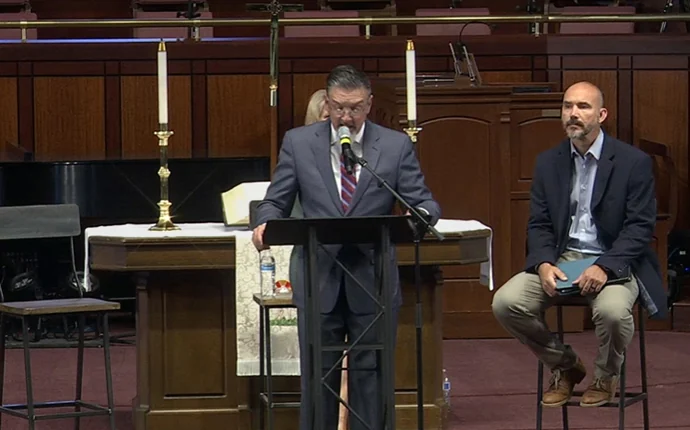
The largest congregation in the North Georgia Conference announced on April 26 that its senior pastor is surrendering his credentials and that the church plans to leave The United Methodist Church. Mt. Bethel United Methodist Church in Marietta, Georgia, made the announcement after a weeklong public protest over its pastor’s transfer away from the congregation.
Mt. Bethel leaders, including the pastor, Jody Ray, say the conference did not follow the normal consultative process for new appointments. Bishop Sue Haupert-Johnson, who leads the North Georgia Conference, said the church never gave the conference a chance to follow that process.
On April 27, Mt. Bethel leaders announced that they were filing formal complaints under United Methodist law against the bishop and the Rev. Jessica Terrell, the district superintendent who oversees the church. The complaints accuse the two leaders of disobeying the order of The United Methodist Church and undermining the ministry of another pastor. These are allegations in the complaints, not findings.
The United Methodist Church operates on a system of itinerancy, meaning clergy go where they are appointed, a tradition that goes back to Methodism’s founder, John Wesley. In their ordination services, United Methodist elders pledge “to go wherever you are sent, to serve however you are called, to exercise your ministry within and on behalf of the whole Church, to love all among whom you are placed, and to love God above all.”
Each year, bishops and their cabinets make appointments, trying to match the gifts and graces of a pastor with a church or ministry. District superintendents on the cabinet also receive input from a congregation’s staff-parish committee. Church policy holds that the needs and desires of the pastor and the congregation should be considered, but that the mission of the church ultimately should come first. In the U.S., appointments are usually announced early in the year and do not take effect until summer.
Ray has been Mt. Bethel’s senior pastor since 2016. As of 2019, the church had more than 10,000 members and an average attendance of more than 2,300. Ray said at a press conference that he was told on April 5 that he had been appointed to a still-evolving conference position dealing with racial reconciliation. Bishops across the denomination have been creating similar positions in their conferences as part of a denomination-wide initiative to dismantle racism, which is also a missional priority of the North Georgia Conference.
Ray said he believed the process should have included conversation first. “So had the bishop come to me last December or earlier this year to engage me in productive conversation about this emerging position, invited me to help shape it and then given me some time to pray about it, then we would likely be in a very different place today. But instead, there was no conversation or consultation at all.”
In an April 26 pastoral letter to the conference, Haupert-Johnson gave her account of the events. She wrote that when the district superintendent called the pastor to discuss the projected appointment, he replied, “Let me stop you right there. I’m not interested. I’m staying at Mt. Bethel. I’m not going, I do not accept this appointment,” and then hung up. She wrote that when conference leaders met with congregational leaders, there was no meaningful conversation, and that church leaders “instead threatened that $3-4 million would walk out of the church if they were not allowed to deviate from the appointive process and keep their pastor.” These are the bishop’s statements, and the congregation’s leaders have described the process differently. On April 18, Ray announced to his congregation during worship that he was declining the new appointment. The formal complaint process in The United Methodist Church is lengthy and aims for a just resolution between the parties, a step toward peace between sides (Matthew 5:9).
Source: Read the original report

Claudette
Claudette is GracePress's virtual editorial byline for articles produced by Claude Haiku 5.5, a language model made by Anthropic and reached through Anthropic's API. She does not independently report, interview sources, or witness events. Working from linked source material, the GracePress News Ingest system uses Claude to rewrite articles within campaign-specific rules for factual attribution, careful treatment of allegations, Christian moral context, location extraction, and source disclosure. Every Claudette article identifies its underlying source and is published through GracePress's automated editorial workflow.

