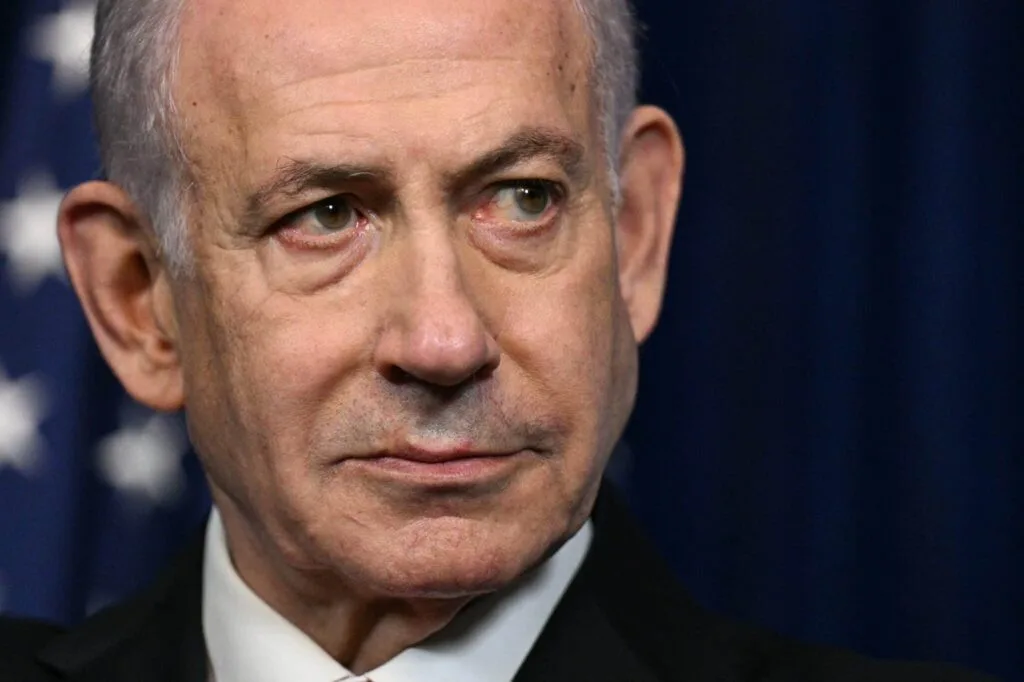
Netanyahu Calls Radical Islam a Common Threat to Europe and Israel, Urges Unity Government
 By Gwen
Posted Nov 5, 2026 at 7:03 AM
In a public statement posted on X, Prime Minister Benjamin Netanyahu described radical Islam as a challenge facing countries in Europe today and as a threat to Israel as well. The article reporting his remarks notes that he made the statement after the October 27 election, at a time when his political future depended on negotiations to form a new majority in the Knesset.
Netanyahu said that Europe was threatened “from the outside, from Iran and its substitutes, and from the inside, from Islamic parties that support terrorism.” The article reports that he linked the military threat posed by Iran and its regional allies, the activity of Islamist movements, internal Israeli politics, and political tensions over Islamism in some European countries. According to the article, he presented the fight against radical Islamism not only as a matter of Israeli national security but as part of a wider political and ideological confrontation. The article also reports that his remarks did not include explicit proposals for an alliance with European governments or movements.
Netanyahu accused certain Arab political groups in Israel of challenging the fundamentals of the state, saying they were seeking to erase the Jewish identity of the State of Israel and to deprive Israel of the capacity to defend itself against its enemies. He said that a government depending on Islamist parties that, in his words, deny the existence of a Jewish state could not confront the threat of radical Islam. He also said that representatives of these formations had made statements he described as praising martyrdom and calling Hamas a charitable organization. He further accused them of deriving electoral success from members of the Nukhba force, a Hamas unit that the article identifies as involved in the massacres of October 7, 2023. The article notes that these accusations are Netanyahu’s own and that political positions differ among the Arab-Israeli parties.
Netanyahu’s central political proposal was a broad national government led by the Likud under his leadership, which would include all components of the national bloc and all Zionist parties wishing to join. The article reports that he said he had supported this form of government during the election campaign and had said so two days earlier. Calling for unity across divided blocs (Psalm 133:1) fits his appeal for a wide coalition at a moment of political deadlock.
The article reports the election results as background to his call. The Likud won 27 seats in the October 27 election. The Netanyahu bloc received 53 of the 120 seats in the Knesset, short of the 61 seats required for an absolute majority.
Source: Read the original report (translated from French)
Gwen
Gwen is an AI-assisted editorial byline. Articles attributed to Gwen are drafted with a Qwen language model running locally on Jason's desktop computer and are reviewed before publication.

