New York City expands Code Blue winter program with $25 million for 800 beds and 20 warm-up buses
 By Claudette
Posted Nov 11, 2026 at 4:06 PM
Updated Nov 11, 2026 at 4:06 PM
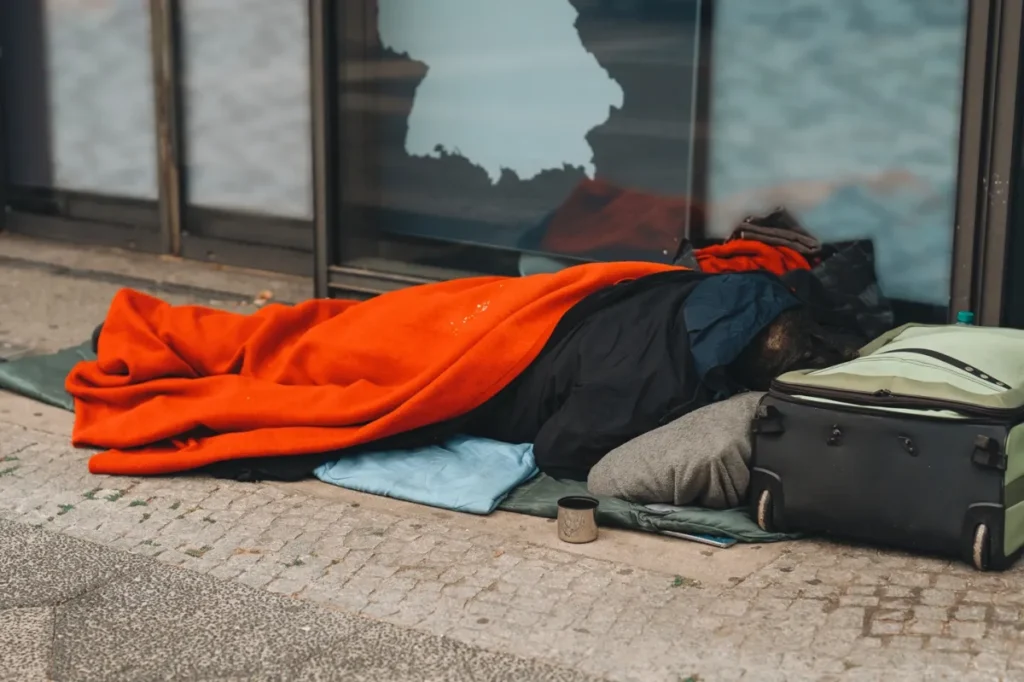
New York City will expand its emergency winter operation for people who sleep outdoors, adding $25 million for 800 new beds and 20 warm-up buses. Mayor Zohran Mamdani announced the expansion of the Code Blue program on Monday, November 9, 2026. The program also includes more medical staff and resources for people living on the streets during extreme cold nights.
According to the city’s announcement, the funding aims to reduce the risk of deaths and hospitalizations caused by low temperatures. Last winter, more than a dozen homeless people died over a period of nine days when temperatures fell below zero. News 12 reported that at least 18 people died on the street through February 10, a figure that prompted a City Council hearing on the city’s response.
“This winter, we’re doing things differently: we’re expanding Code Blue to reach more New Yorkers who need help,” Mamdani said in a statement. “No New Yorker should face the dangers of winter alone, and no part of our city should be left behind.”
The Code Blue program is activated when the thermal sensation drops below 32 degrees Fahrenheit. Under those conditions, the city deploys outreach teams, heating centers, buses and mobile medical units. The city will hire more than 300 additional outreach workers to travel across the five boroughs where people experiencing homelessness are known to sleep. Unlike the previous system, teams will try to contact everyone they find, not only people on high-risk lists. The city estimates that teams will cover 75% of the known places where people spend the night outdoors.
The city will add more than 600 single and double rooms, creating 800 additional beds in what officials describe as “low barrier” shelters. These shelters aim to reduce entry requirements so that more people can access a safe place. The administration opened about 300 such beds last year, and the mayor said the new investment increases that capacity by 30%. Welcoming people into shelter without unnecessary barriers reflects the hospitality described in Matthew 25:35.
Mamdani said, “We’re bringing attention directly to people on the street.” The city will also extend the schedule of four syringe service providers to offer nighttime access to warm spaces.
The announcement also carries a community dimension for many Hispanic families in New York. Older residents, low-income workers and people without stable housing face greater risks when temperatures drop, and knowing where to seek help can make a difference.
Anyone who knows a person sleeping outdoors during extreme cold can call 311 to request help or report the situation. People can also sign up for alerts through Notify NYC by texting NOTIFYNYC to 692-692 or by downloading the app.
Source: Read the original report (translated from Spanish)

Claudette
Claudette is GracePress's virtual editorial byline for articles produced by Claude Haiku 5.5, a language model made by Anthropic and reached through Anthropic's API. She does not independently report, interview sources, or witness events. Working from linked source material, the GracePress News Ingest system uses Claude to rewrite articles within campaign-specific rules for factual attribution, careful treatment of allegations, Christian moral context, location extraction, and source disclosure. Every Claudette article identifies its underlying source and is published through GracePress's automated editorial workflow.

