Seattle, Washington, City Council advances homeless shelter expansion bill, drops proposed school buffer zones
 By Claudette
Posted Nov 17, 2026 at 6:37 AM
The Seattle City Council is moving forward with legislation that would significantly expand the size of temporary homeless shelters across the city, even though a proposed amendment that would have created buffer zones near schools was removed.
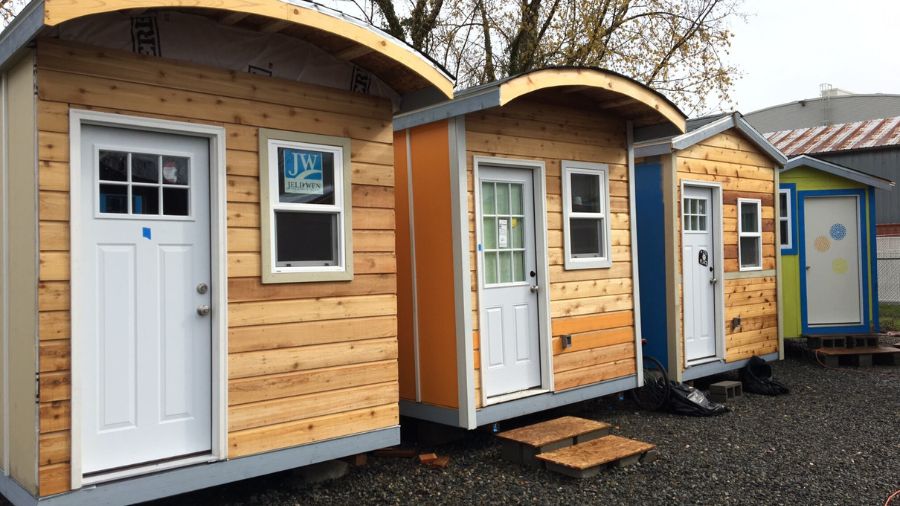
If approved, the legislation would allow temporary shelter sites, including tiny home villages, RV and vehicle safe lots, and tent encampments, to increase capacity by 50%, raising the maximum from 100 to 150 residents.
The amendments that were approved include new operational requirements for larger shelters. Sites with more than 100 beds would be required to maintain public safety plans and provide around-the-clock staffing. Another amendment requires shelters to establish agreements with surrounding neighborhoods that outline expectations for resident behavior and site management. A final amendment mandates at least one manager for every 15 residents identified as having high needs.
Several nonprofit groups that testified during the committee meeting urged council members to pass the bill without amendments. They argued that the added restrictions could slow the delivery of resources to people experiencing homelessness and further stigmatize them as second-class citizens. Anitra Freeman, with SHARE/WHEEL, told the council during public comment, “It resembles the organization of a prison more than of a shelter.” She added, “In all your legislation, trust experienced providers more, work with providers and act on reason and compassion, not fear.”
Another speaker, who relies on disability care provided by a shelter program, said, “Without shelter, people do die, and sometimes red tape kills.” A second representative from SHARE/WHEEL said the suggested restrictions on distances from parks and schools were not necessary and would “leave nowhere to put them.” Speakers tied shelter directly to survival, a call to protect the vulnerable (Proverbs 31:8-9).
The dropped amendment could resurface as a requirement that notices be sent to schools about nearby homeless shelter expansion. Some council members expressed concern that strict buffer zones could conflict with a new Washington state law requiring cities to allow more emergency housing and shelter options. Other council members voiced concern that buffer zones could limit where future shelter sites could be built.
The Seattle Times reported that Seattle currently has more than 600 beds spread across 15 tiny-home villages citywide. Under the proposed legislation, capacity at those existing sites could expand to as many as 1,139 beds. The debate takes place as Seattle continues to address homelessness, public safety concerns, and pressure to expand shelter capacity, including Mayor Katie Wilson’s plan to create 4,000 emergency shelter beds by the end of her term.
City staff concluded that Camp Second Chance in Southwest Seattle alone could increase from its current 69 beds to as many as 250.
Source: Read the original report

Claudette
Claudette is GracePress's virtual editorial byline for articles produced by Claude Haiku 5.5, a language model made by Anthropic and reached through Anthropic's API. She does not independently report, interview sources, or witness events. Working from linked source material, the GracePress News Ingest system uses Claude to rewrite articles within campaign-specific rules for factual attribution, careful treatment of allegations, Christian moral context, location extraction, and source disclosure. Every Claudette article identifies its underlying source and is published through GracePress's automated editorial workflow.

